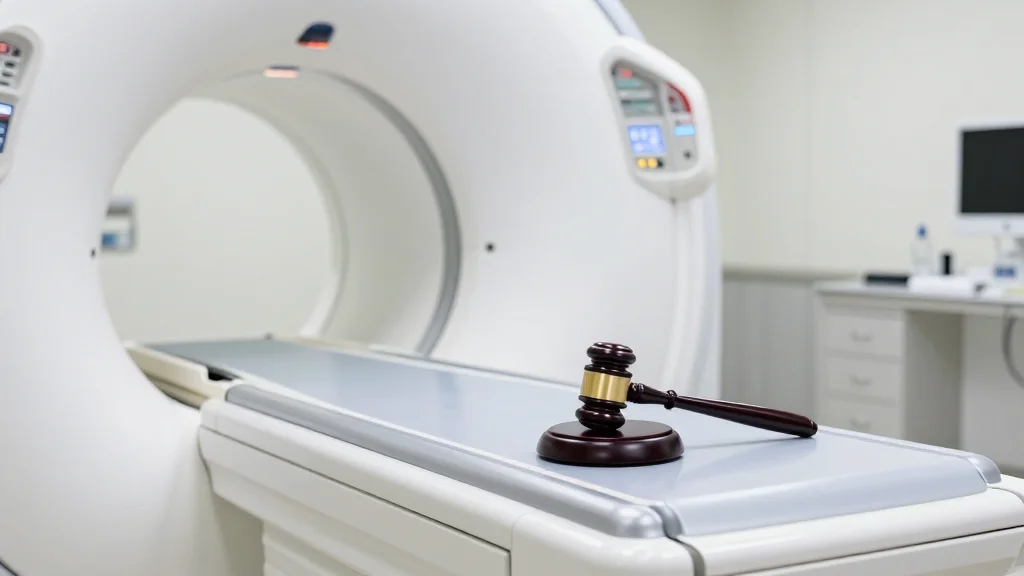
Memorial Sloan Kettering Sues GE HealthCare over Imaging Tech
Why It Matters
The case could impose multimillion‑dollar penalties on GE and set a precedent for enforcing algorithmic patents in medical imaging, influencing how vendors develop and license AI‑driven technologies.
Key Takeaways
- •GE's MotionFree tech corrects PET images without external hardware.
- •Patents filed by Adam Kesner cover motion correction algorithms.
- •Memorial Sloan Kettering seeks treble damages for willful infringement.
- •Litigation may affect future licensing of AI-driven imaging solutions.
Pulse Analysis
MotionFree, GE HealthCare’s proprietary software embedded in its PET/CT scanners, automatically compensates for patient breathing motion by extracting motion patterns directly from raw scan data. The algorithm eliminates the need for external gating hardware, promising sharper images and faster workflows for oncologists. Memorial Sloan Kettering Cancer Center asserts that the technology is based on patents filed by its physicist Adam Kesner, who pioneered the motion‑correction method years earlier. The lawsuit, filed in Delaware federal court, alleges that GE continued to market the feature despite prior notice of infringement.
Memorial Sloan Kettering is seeking compensatory damages, treble damages for willful infringement, and reimbursement of attorney fees. If the court awards maximum penalties, GE could face multimillion‑dollar liabilities that would pressure its imaging division’s profit margins. The case also raises questions about the robustness of GE’s internal patent‑clearance processes, especially as the company accelerates AI‑driven enhancements across its product line. Industry observers note that a precedent‑setting verdict could trigger a wave of similar claims from research institutions protecting algorithmic innovations.
The dispute underscores a broader shift toward software‑centric value in medical imaging, where proprietary algorithms can differentiate devices as much as hardware performance. As hospitals adopt higher‑throughput PET/CT scanners, vendors are racing to embed AI‑based motion correction, attenuation mapping and lesion detection tools. A ruling favoring the cancer center could compel manufacturers to renegotiate licensing agreements or redesign products to avoid infringement, potentially slowing the rollout of next‑generation imaging solutions. Stakeholders will watch the case closely for signals about how aggressively patent owners will enforce algorithmic IP in the healthcare sector.
Memorial Sloan Kettering sues GE HealthCare over imaging tech
Comments
Want to join the conversation?
Loading comments...