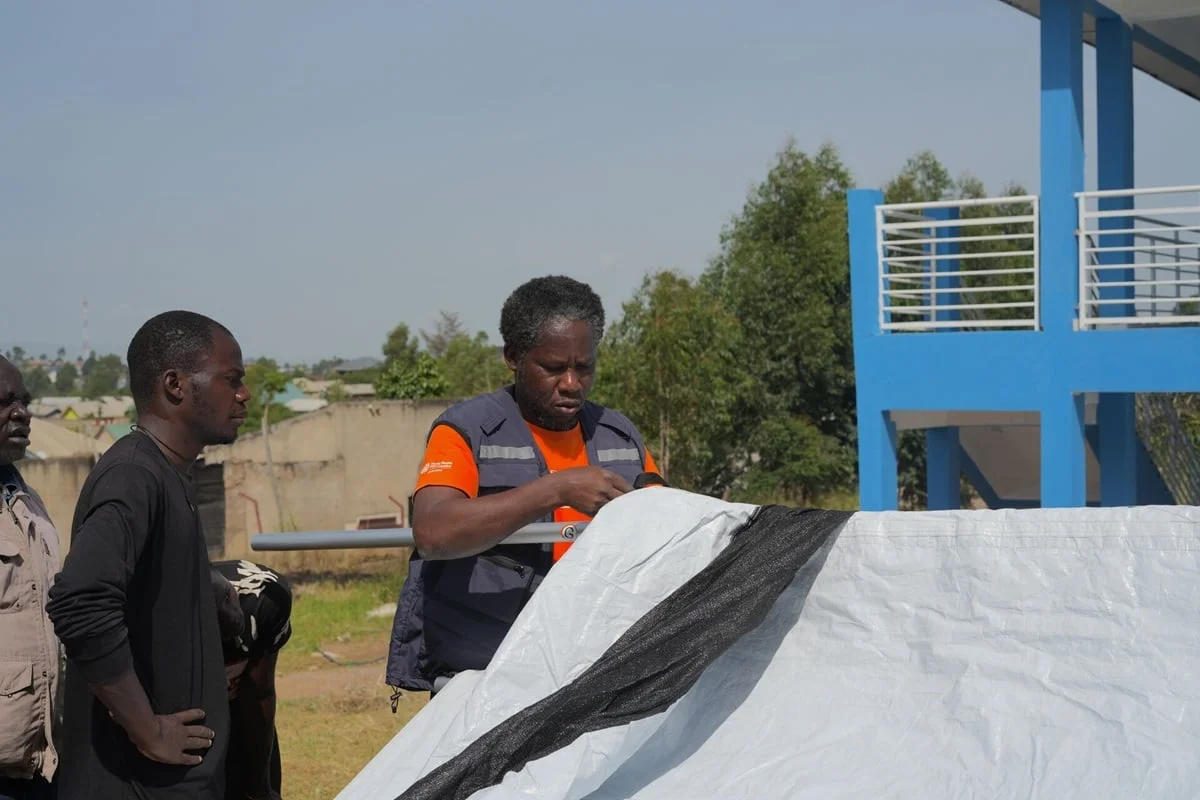
Message by the WHO Director-General to the People of the Democratic Republic of the Congo
Why It Matters
The message highlights the intersection of public health and conflict, stressing that security lapses can exacerbate disease spread and that coordinated action is essential to contain a deadly, untreatable Ebola strain.
Key Takeaways
- •17th Ebola outbreak in DRC, 90% cases in Ituri
- •New Bundibugyo strain lacks approved vaccine or treatment
- •WHO urges temporary ceasefire to protect health workers
- •Community trust and early care essential to curb spread
- •Tedros will visit Bunia to meet leaders and support response
Pulse Analysis
The latest Ebola flare‑up in the Democratic Republic of Congo underscores how fragile health systems can be destabilized by armed conflict. While the country has faced 16 prior outbreaks, this one is unique: the Bundibugyo variant does not have a licensed vaccine or monoclonal therapy, forcing responders to rely on early supportive care, safe burial practices, and community engagement. In Ituri, where more than nine out of ten cases have been reported, the convergence of violence, displacement, and limited infrastructure hampers rapid case detection and treatment, raising the risk of wider regional spread.
Trust-building is now the linchpin of the response. Past experience shows that when health workers are perceived as neutral and when community leaders are involved, reporting improves and transmission slows. Tedros’ personal appeal to local leaders, traditional healers, and especially youth aims to break the cycle of fear and misinformation that has plagued earlier waves. By emphasizing shared responsibility and promising sustained WHO presence, the organization hopes to galvanize community volunteers to report symptoms early, adopt infection‑prevention measures, and support safe burial teams.
The call for a temporary cease‑fire adds a diplomatic dimension to the public‑health emergency. Even short pauses in hostilities can create humanitarian corridors, allowing medical supplies, vaccines (for other strains), and protective equipment to reach remote clinics safely. International partners, including the United Nations and regional bodies, are urged to mediate and enforce these pauses, recognizing that every day of unimpeded access can save lives. Tedros’ planned visit to Bunia signals a high‑level commitment to coordinate with the DRC government and NGOs, reinforcing the message that the global health community will stay engaged until the outbreak is fully contained and the health system is stronger for future challenges.
Message by the WHO Director-General to the people of the Democratic Republic of the Congo
Comments
Want to join the conversation?
Loading comments...