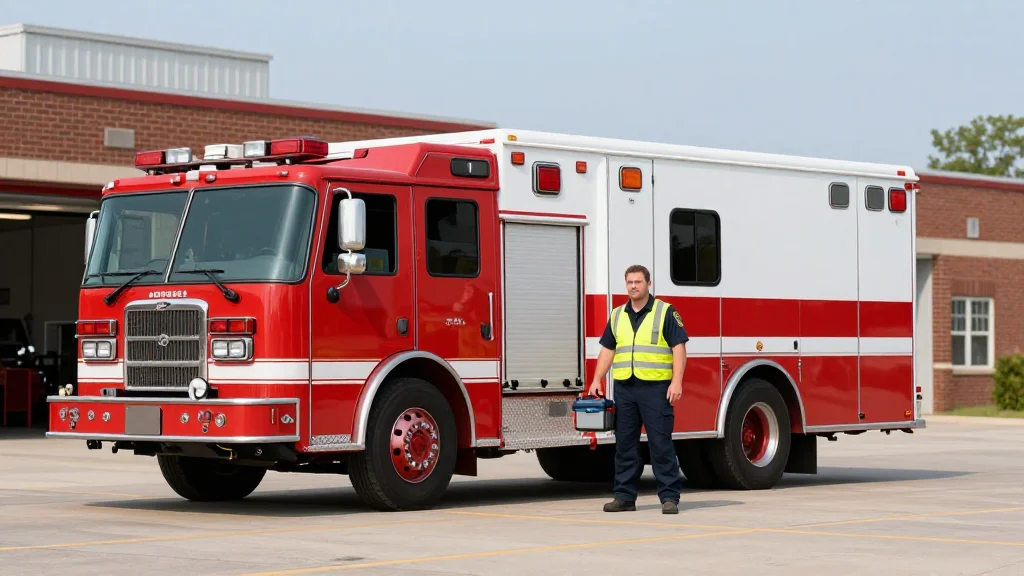
Mich. FD Explores Launching Its Own Ambulance Transport Service
Why It Matters
The initiative fills a growing service gap, improves response times for non‑critical patients, and offers a financially sustainable model that other fire agencies may emulate.
Key Takeaways
- •Cascade FD handles ~3,000 calls annually, 1,000 low‑acuity.
- •Low‑acuity “med three” calls cause ambulance delays.
- •Fire board approved BLS transport program, no new taxes.
- •Funding relies on insurance reimbursements and transport revenue.
- •Would be first Kent County fire department with its own ambulance.
Pulse Analysis
Across the United States, fire departments are increasingly stepping into emergency medical transport roles as low‑acuity calls strain traditional EMS resources. These calls—often involving falls, lift assists, or minor illnesses—represent a growing share of total dispatches, prompting agencies to seek cost‑effective solutions that keep patients moving while preserving higher‑priority resources for life‑threatening incidents. By integrating basic life support (BLS) transport, fire services can leverage existing personnel and infrastructure, reducing duplication and improving overall system efficiency.
In Cascade Township, the fire department’s proposal hinges on a self‑funding model that sidesteps the need for additional tax levies. Revenue would stem from insurance reimbursements and direct transport fees, mirroring successful programs in Ann Arbor, Michigan, and Barry County. The department has spent 18 months analyzing call data, identifying unsustainable trends in “med three” responses. By adding a dedicated ambulance and staffing it with trained EMTs, Cascade aims to cut response delays that currently occur when private providers are tied up with higher‑acuity emergencies.
If approved, Cascade would become the first Kent County fire department to operate its own ambulance, setting a potential benchmark for neighboring jurisdictions. The plan still faces hurdles, including staffing qualifications, equipment procurement, and establishing billing mechanisms that comply with regional medical control regulations. Nevertheless, the initiative illustrates how fire agencies can diversify revenue streams while enhancing community health outcomes, a strategy likely to gain traction as municipalities grapple with rising EMS demand and constrained budgets.
Mich. FD explores launching its own ambulance transport service
Comments
Want to join the conversation?
Loading comments...