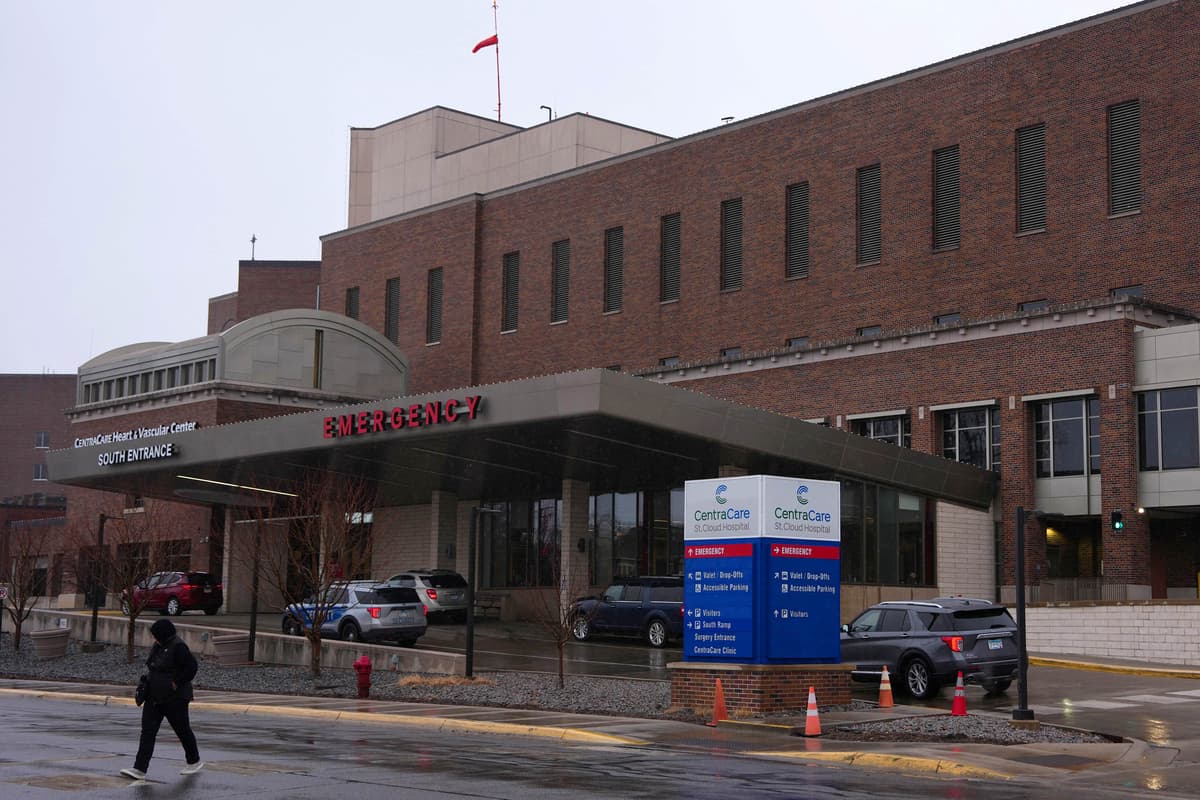
Minnesota Lawmaker Proposes Using Hospital Tax To Fill Charity Care Gap
Why It Matters
Redirecting the tax could close Minnesota’s charity‑care gap and lower bad‑debt costs, but it may create future budget pressures and faces opposition from the hospital association.
Key Takeaways
- •Minnesota tax yields $250 M, matching 2024 charity‑care spending.
- •31 hospitals financially distressed, losing money in half of recent years.
- •HCMC provided $88 M charity care, 3% of its operating budget.
- •Hospital Association prefers tax elimination or Medicaid funding over redistribution.
- •Advocates urge statewide minimum eligibility, keeping current hospital discretion.
Pulse Analysis
Minnesota’s nonprofit hospitals rely on a 1.56% levy on patient revenue, generating roughly $250 million each year. That figure mirrors the $241 million the state’s hospitals collectively reported as charity care in 2024, highlighting a potential financing loop: the tax could be used to fund the very services it helps subsidize. By channeling the revenue back to hospitals, the proposal aims to standardize generosity, reduce costly debt‑collection efforts, and ensure that low‑income patients receive consistent assistance regardless of where they seek care.
Financial distress is already a pressing reality. Thirty‑one of the state’s 123 hospitals have been classified as financially distressed, having posted operating losses in four of the past eight years. Hennepin County Medical Center, the largest charity‑care provider with $88 million in aid, is on the brink of a $205 million state bailout to stay afloat. The disparity in charity‑care thresholds—some hospitals limit aid to households earning under $15,000 while others extend it to $47,000—exacerbates inefficiencies and drives patients toward better‑funded institutions, inflating costs for the system as a whole.
Policymakers face a trade‑off between immediate relief and long‑term fiscal stability. The Minnesota Hospital Association argues the tax should be eliminated or redirected to Medicaid, unlocking federal matching funds and addressing broader reimbursement gaps. Meanwhile, advocates like Dollar For push for a statewide minimum eligibility floor and presumptive assistance models to streamline access. As the state enjoys a budget surplus, Elkins’ proposal may gain traction this session, but future legislators will need to balance the loss of tax revenue against the social imperative of robust charity care, especially if economic conditions tighten.
Minnesota Lawmaker Proposes Using Hospital Tax To Fill Charity Care Gap
Comments
Want to join the conversation?
Loading comments...