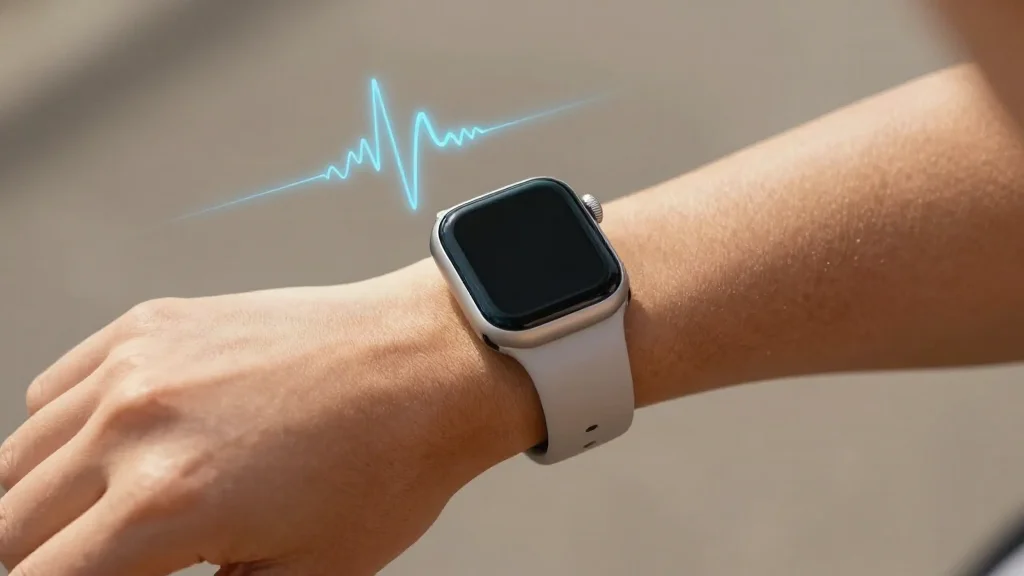
More Americans Own Wearables, Connected Health Devices: Survey
Companies Mentioned
Why It Matters
Broad wearable adoption expands the flow of real‑time health data into clinical care, offering opportunities for preventive monitoring and chronic‑disease management. However, demographic gaps and provider integration barriers could limit the technology’s impact on health equity.
Key Takeaways
- •60% of U.S. adults own a wearable or connected health device
- •Ownership rose from 13% in 2015 to 46% in 2025 for smartwatches/rings
- •30% of owners regularly share device data with their providers
- •Users tend to be younger, wealthier, healthier, and more urban
- •Liability and reimbursement concerns limit health‑system wearable integration
Pulse Analysis
Wearable and connected health device adoption has entered mainstream America, with Rock Health reporting that almost six in ten adults now wear a sensor that tracks activity, sleep, heart rate or metabolic metrics. This surge reflects both falling hardware costs and a cultural shift toward self‑quantification, especially among Millennials and Gen‑Z professionals who value data‑driven wellness. The market now includes a broader array of products beyond smartwatches—rings, continuous glucose monitors, smart scales and blood‑pressure cuffs—creating a fragmented ecosystem that still converges on a common goal: richer, longitudinal health insights.
For clinicians, the influx of patient‑generated data promises earlier detection of conditions such as atrial fibrillation, hypertension spikes, or deteriorating sleep patterns. Yet integration remains uneven; many electronic health record platforms lack standardized APIs, and providers cite liability worries—what happens if an alert is missed?—as a key deterrent. Reimbursement structures have not fully caught up, leaving physicians uncertain about billing for data review. Consequently, only a minority of health systems have embedded Apple HealthKit or Google Health feeds into patient portals, limiting the practical utility of the data despite its availability.
Policy developments are nudging the industry forward. The FDA’s recent guidance classifies many wellness‑focused wearables as low‑risk, reducing pre‑market hurdles, while CMS’s payment experiment funds pilots that reimburse clinicians for technology‑enabled chronic‑care management. These moves signal a regulatory environment more receptive to digital health, but equity concerns linger: ownership skews toward affluent, urban users, leaving underserved populations behind. Bridging this gap will require payer incentives, provider education, and possibly public‑sector device distribution to ensure the promise of continuous health monitoring benefits all Americans.
More Americans own wearables, connected health devices: survey
Comments
Want to join the conversation?
Loading comments...