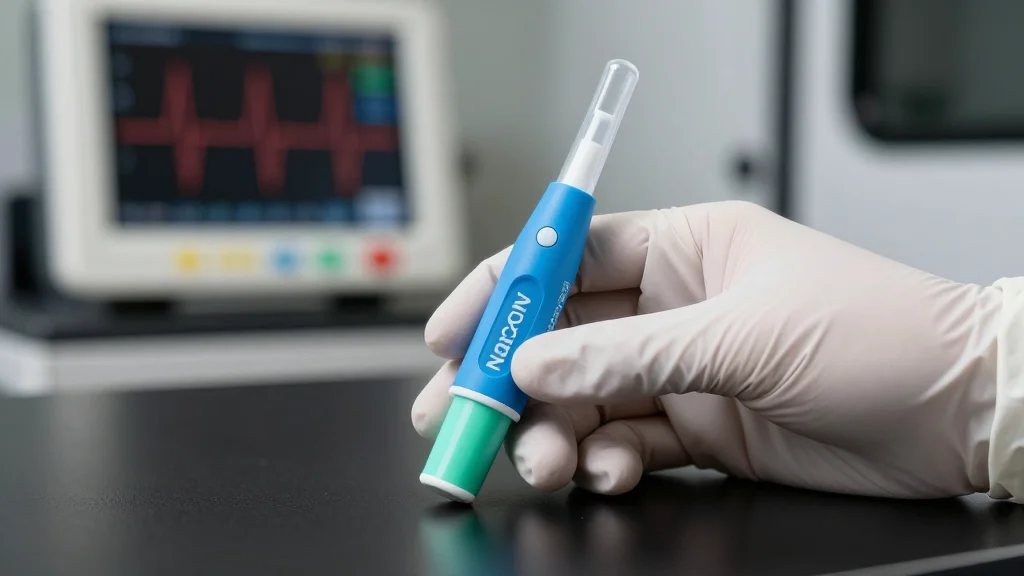
Naloxone Use During Cardiac Arrest Linked to Improved Survival
Why It Matters
The findings suggest naloxone could become a standard adjunct in opioid‑related cardiac arrests, potentially saving thousands of lives as opioid‑driven incidents rise. Confirming efficacy through trials could reshape EMS protocols nationwide.
Key Takeaways
- •Naloxone raised OHCA survival to discharge from 4.4% to 8.1%.
- •Absolute survival gain was 2.8% after adjusting for confounders.
- •Neurologic outcomes improved by 3.2% and ROSC by 3.3% with naloxone.
- •Benefit strongest in suspected opioid‑related arrests, nearing 8–9% survival.
- •Effect diminished when epinephrine was administered during resuscitation.
Pulse Analysis
The United States continues to grapple with an opioid epidemic that now fuels a growing share of out‑of‑hospital cardiac arrests. While naloxone is a mainstay for reversing opioid overdoses, its role during active resuscitation has remained uncertain, leaving EMS agencies without clear guidance. This evidence gap prompted a retrospective cohort study by UC Davis Health, leveraging the California Resuscitation Outcomes Consortium data from 2021‑2022, to examine real‑world outcomes when naloxone is administered alongside standard cardiac‑arrest care.
The analysis of 3,811 suspected cardiac arrests revealed that patients who received naloxone experienced a survival-to-discharge rate of 8.1%, more than double the 4.4% observed in untreated peers. After statistical adjustment, the absolute survival benefit was 2.8%, with parallel gains in return of spontaneous circulation (+3.3%) and favorable neurological status (+3.2%). The effect was most pronounced—approaching an 8‑9% survival boost—in arrests where EMS suspected opioid involvement. Notably, the advantage waned when epinephrine was part of the resuscitation protocol, hinting at complex drug‑interaction dynamics and the importance of timing.
If corroborated by prospective randomized trials, these findings could prompt a paradigm shift in EMS algorithms, integrating naloxone as a routine adjunct for suspected opioid‑related arrests. Such a change would align pre‑hospital care with the broader public‑health push to mitigate opioid mortality. Policymakers and medical directors may need to update training, stocking requirements, and quality‑measure benchmarks to reflect the potential life‑saving impact of early naloxone administration during cardiac emergencies.
Naloxone use during cardiac arrest linked to improved survival
Comments
Want to join the conversation?
Loading comments...