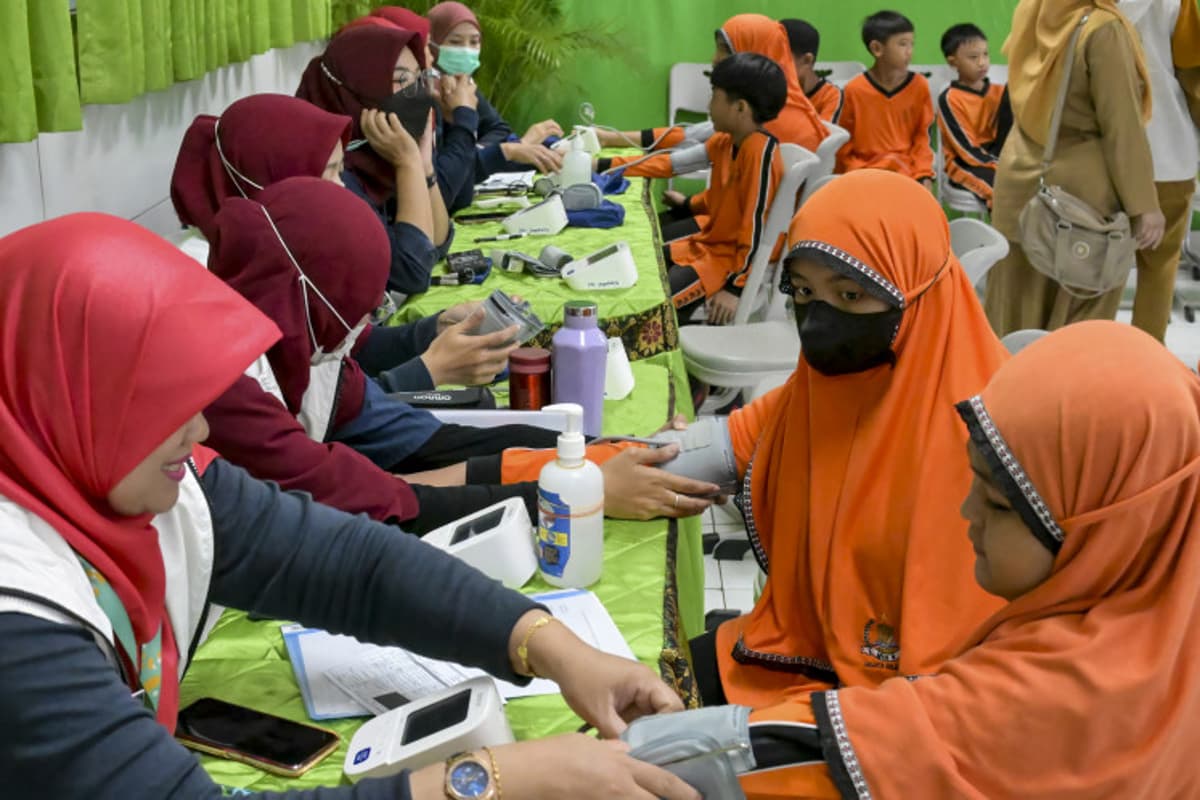
Nationwide Screenings Uncover Early Signs of Hypertension in Children
Why It Matters
Childhood hypertension foreshadows a future surge in cardiovascular disease, pressuring Indonesia’s health system and highlighting the need for early preventive interventions.
Key Takeaways
- •4.8 million Indonesian students screened nationwide
- •22.1% showed elevated blood pressure
- •663,000 children flagged for possible hypertension
- •Screening highlights rise of ultra‑processed food consumption
- •Follow‑up exams at community health centres required
Pulse Analysis
The surge in pediatric hypertension uncovered by Indonesia’s nationwide screening reflects a broader global trend where sedentary lifestyles and high‑salt, ultra‑processed diets are infiltrating younger populations. While adult hypertension has long been a public‑health focus, recent data from the Jakarta Post reveal that more than one‑fifth of schoolchildren now exhibit elevated blood‑pressure levels. This shift challenges traditional assumptions that cardiovascular risk emerges only in adulthood and forces policymakers to reconsider age‑targeted health strategies.
Indonesia’s free health‑check programme, covering 48,000 schools and nearly five million children, represents one of the most ambitious preventive health initiatives in Southeast Asia. By leveraging school infrastructure, the government can capture early biomarkers and intervene before chronic conditions become entrenched. However, the preliminary nature of the screenings means that confirmatory diagnostics at local Puskesmas are essential to differentiate true hypertension from temporary spikes caused by stress or measurement error. The program also offers a data‑rich platform for researchers to study regional variations, socioeconomic determinants, and the impact of dietary shifts on youth health.
The implications extend beyond individual outcomes. Early detection of hypertension can reduce future burdens on Indonesia’s healthcare budget by curbing costly complications such as heart attacks and strokes. Moreover, the findings underscore the urgency of nutrition policy reforms, including stricter labeling of ultra‑processed foods and school‑based nutrition education. As the nation grapples with rising non‑communicable diseases, integrating routine blood‑pressure monitoring into school health services could become a cornerstone of a broader preventive agenda, aligning with WHO targets for NCD reduction.
Nationwide screenings uncover early signs of hypertension in children
Comments
Want to join the conversation?
Loading comments...