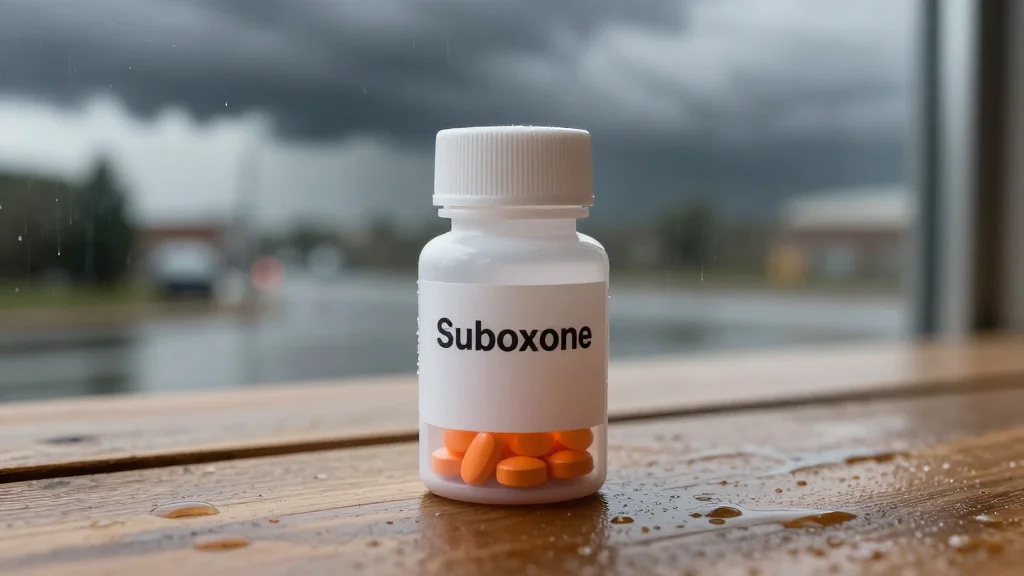
Natural Disasters Can Cause Another Crisis for Those Recovering From Opioid Addiction
Why It Matters
Disrupted access to buprenorphine and methadone during emergencies threatens to reverse progress on the opioid epidemic, creating a public‑health crisis that compounds climate‑driven disasters. Implementing emergency prescribing flexibilities can save lives and reduce overdose costs.
Key Takeaways
- •Hurricane Helene left patients with only three days of Suboxone.
- •70% of New Yorkers lacked recovery meds after Superstorm Sandy (2012).
- •DEA’s Suspicious Orders Report blocks emergency buprenorphine refills.
- •States can grant emergency prescribing flexibilities during disasters.
- •Experts urge a national patient registry for cross‑state medication access.
Pulse Analysis
The aftermath of Hurricane Helene in September 2024 highlighted a fragile intersection between climate‑driven emergencies and the United States’ opioid‑use‑disorder treatment system. As roads flooded and communications collapsed, patients like Toni Brewer found themselves with only a three‑day supply of Suboxone, a buprenorphine product that suppresses cravings. Similar patterns emerged after Superstorm Sandy, Hurricane Maria and the California wildfires, where disruptions to pharmacies and clinics led to spikes in overdose reports. The episode underscores how natural disasters can quickly transform a chronic public‑health crisis into an acute relapse risk for thousands of recovering individuals.
Physicians and public‑health experts are now pressing federal and state agencies to embed medication‑access protocols into disaster‑response plans. Recommendations include allowing larger take‑home buprenorphine inventories, creating a secure, interstate patient registry, and authorizing emergency DEA waivers that bypass the Suspicious Orders Report during declared emergencies. SAMHSA already permits states to issue emergency prescribing flexibilities, as North Carolina did after Helene, but implementation remains uneven. Pharmacy hesitancy—often rooted in regulatory uncertainty—can leave patients stranded, while tele‑health barriers compound the problem when internet service is down. Streamlined guidelines could reduce bureaucratic friction when speed is essential.
With climate change projected to increase the frequency and intensity of storms, heatwaves and wildfires, the need for resilient opioid‑treatment infrastructure is becoming a matter of national security. Failure to secure continuous medication access not only jeopardizes individual recovery but also threatens broader public‑health metrics, including overdose mortality and emergency‑room burden. Investing in backup power for clinics, pre‑positioning buprenorphine in emergency shelters, and funding cross‑state coordination can mitigate these risks while generating long‑term cost savings by preventing costly relapses. Policymakers who act now will help safeguard both vulnerable patients and the health system against the next disaster.
Natural disasters can cause another crisis for those recovering from opioid addiction
Comments
Want to join the conversation?
Loading comments...