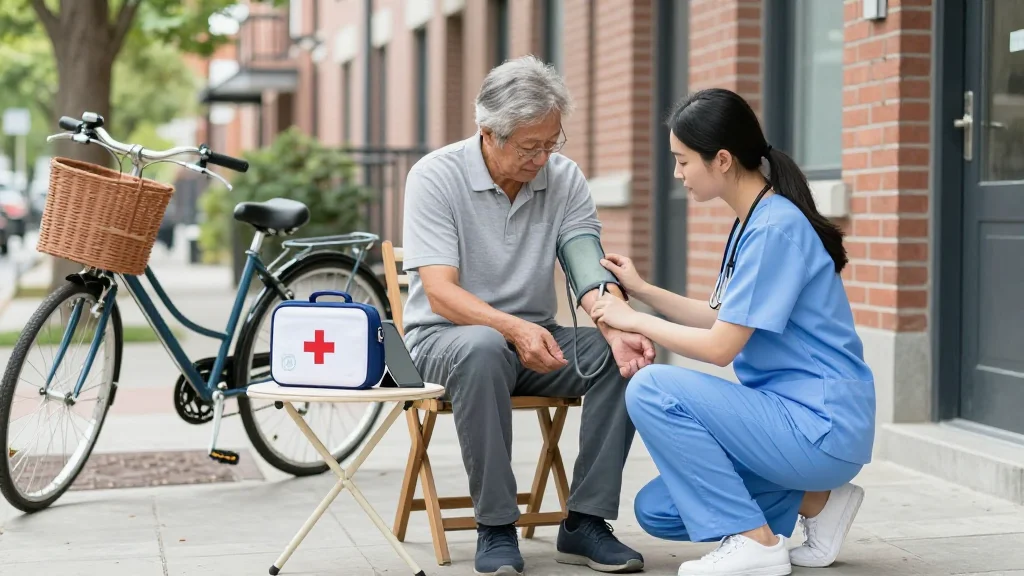
Neighbourhood Care: Taking Preventive Health Checks to the Heart of Communities
Key Takeaways
- •Neighborhood health stations provide free BP, heart checks.
- •Over 100 partners joined blood pressure awareness campaign.
- •13,458 video views raised digital engagement on prevention.
- •1,701 mini checks performed since December launch.
- •Targeted outreach engages Black Caribbean community and football fans.
Pulse Analysis
The NHS 10‑Year Plan places prevention at the core of future health delivery, prompting local authorities to experiment with place‑based models. Nottingham’s partnership brings together hospitals, primary‑care networks, universities, charities and faith groups to create a coordinated prevention ecosystem. By mapping where residents live, work and socialize, the city can deliver health messaging and services where people already gather, turning libraries, pharmacies and stadiums into informal clinics. This collaborative framework mirrors broader policy pushes for integrated care and demonstrates how cross‑sector alliances can overcome fragmented service delivery.
A cornerstone of Nottingham’s strategy is the SISU Health Station, a self‑service kiosk that measures blood pressure, heart rate and body composition while offering instant, personalised advice. Deployed first in the Stapleford neighbourhood and later in a high‑traffic Boots store, the stations have logged 1,701 checks and spurred a noticeable uptick in home blood‑pressure monitor sales. Complementary digital campaigns—featuring two educational videos that attracted 13,458 views—extend the reach beyond physical sites, while partnerships with Black‑led churches and the Nottingham Forest Community Trust embed health messages within trusted community networks. These efforts address the city’s lower hypertension detection rates compared with other regions and mitigate the looming 52 % staff cut in Integrated Care Boards.
If successful, Nottingham’s model offers a replicable blueprint for other UK cities facing similar workforce constraints and health‑inequality challenges. By shifting routine screening to everyday venues, the programme can identify at‑risk individuals earlier, reduce downstream hospital admissions and generate cost savings for the NHS. Moreover, the data collected from kiosks and digital engagement tools provide actionable insights for targeted public‑health interventions. Scaling such neighbourhood‑centric prevention could accelerate the transition to a sustainable, outcome‑focused health system nationwide.
Neighbourhood care: Taking preventive health checks to the heart of communities
Comments
Want to join the conversation?