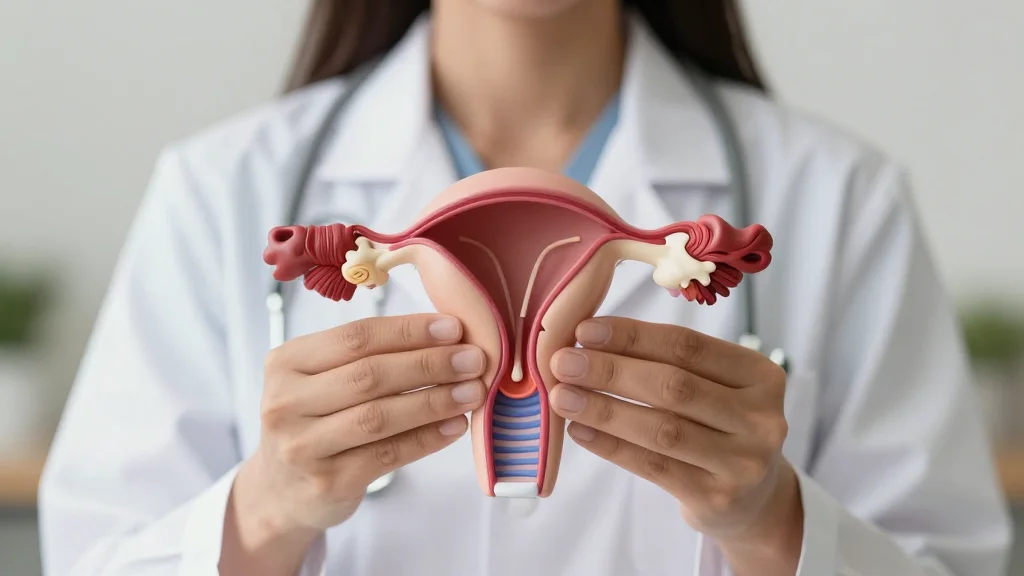
New Guidance on Adenomyosis, an Overlooked Uterine Condition Affecting 1 in 3 Women
Why It Matters
Adenomyosis is vastly underdiagnosed despite affecting a third of women, so standardized, non‑invasive guidance can dramatically improve patient outcomes and reduce unnecessary surgeries. The new recommendations also signal a shift toward greater research investment and broader clinical awareness.
Key Takeaways
- •Adenomyosis affects ~1 in 3 women worldwide
- •New expert review offers non‑invasive diagnostic guidelines
- •Ultrasound and MRI replace hysterectomy for definitive diagnosis
- •Uterine‑preserving treatments now prioritized over hysterectomy
- •Guidance aims to boost research funding and clinical awareness
Pulse Analysis
Adenomyosis, a condition where endometrial‑like tissue infiltrates the uterine muscle, has long lingered in the shadows of women’s health. Epidemiological studies suggest it touches roughly 33 percent of women of reproductive age, yet it remains under‑researched and frequently misdiagnosed. The resulting chronic pelvic pain, heavy menstrual bleeding, and fertility challenges impose substantial personal and economic costs. By consolidating fragmented data into a single, peer‑reviewed series, Dr. Kimberly Kho provides the medical community with a clearer picture of disease prevalence and its hidden burden, laying groundwork for policy makers to allocate more research dollars.
The review’s most striking contribution is its endorsement of modern imaging—high‑resolution transvaginal ultrasound and magnetic resonance imaging—as first‑line diagnostic tools. Historically, definitive diagnosis required hysterectomy, an invasive and irreversible step that often left patients without reproductive options. Imaging advances now allow clinicians to identify characteristic junctional zone thickening and myometrial lesions with confidence, shortening diagnostic timelines and sparing patients unnecessary surgery. This paradigm shift aligns with broader trends in gynecologic care that prioritize precision medicine and patient‑centered outcomes.
Beyond diagnosis, Kho’s guidance expands therapeutic horizons. While hysterectomy once stood as the default cure, the series outlines medical (hormonal modulators), interventional radiology (uterine artery embolization), and minimally invasive surgical techniques that preserve uterine integrity. By championing these alternatives, the guidance not only improves quality of life but also addresses fertility concerns that are paramount for many patients. Moreover, the publication calls attention to the stark disparity between disease prevalence and research funding, urging stakeholders to invest in targeted studies. As awareness grows, insurers, providers, and patients alike can expect more nuanced care pathways, ultimately reducing the hidden toll of adenomyosis on the healthcare system.
New guidance on adenomyosis, an overlooked uterine condition affecting 1 in 3 women
Comments
Want to join the conversation?
Loading comments...