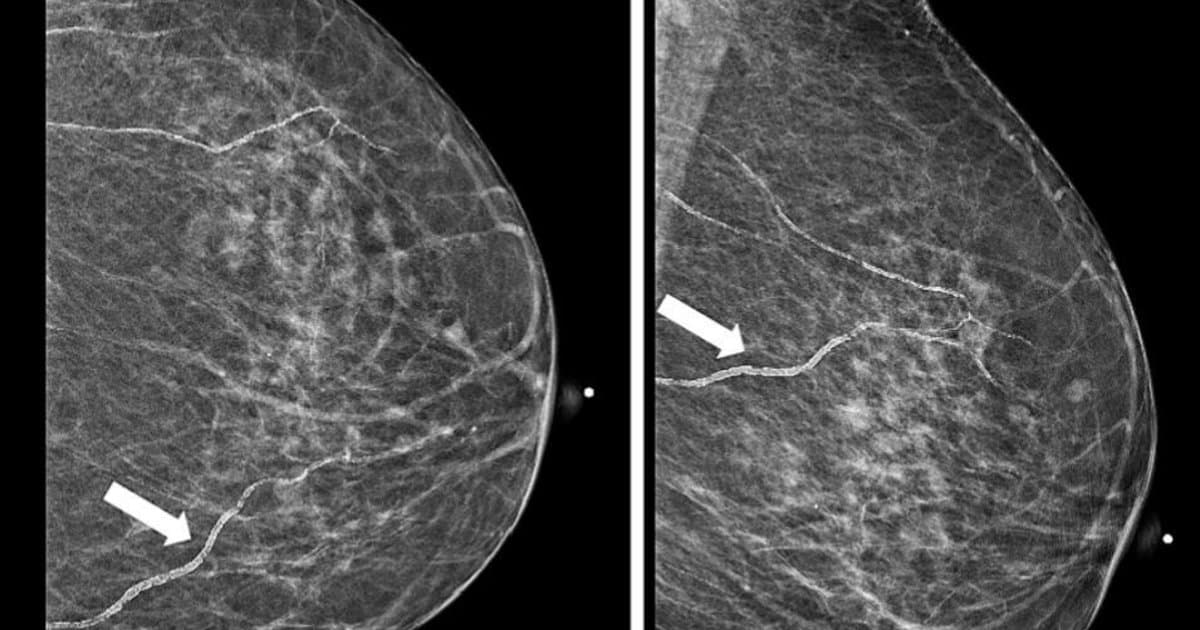
New Mammogram Policy: Maryland to Require BAC Notifications with First Law of Its Kind
Why It Matters
Mandated BAC reporting could transform routine mammograms into an early‑cardiovascular‑risk screening tool, reshaping preventive‑care strategies and insurance coverage while igniting debate over its clinical utility.
Key Takeaways
- •Maryland becomes first state to require BAC notification on mammograms
- •BACs indicate higher cardiovascular risk, not breast cancer risk
- •Law mirrors breast density letters, effective Oct 1 2026
- •Johns Hopkins radiologists argue evidence is insufficient for mandatory reporting
- •No standardized follow‑up protocol exists for patients notified of BACs
Pulse Analysis
Maryland's HB 1364 marks a watershed moment in women's health policy, extending the precedent set by breast‑density notifications to a new biomarker—breast arterial calcifications. By codifying a requirement for providers to send letters alerting patients to BACs, the state aims to leverage existing mammography infrastructure to flag a silent indicator of cardiovascular risk. The legislation’s unanimous passage underscores bipartisan recognition of the growing evidence linking BACs to coronary artery disease, and it positions Maryland as a testing ground for integrating imaging data into broader preventive‑care pathways.
Clinical research over the past decade has shown that BACs, visible as thin white lines on mammograms, correlate with a higher incidence of heart attacks and strokes, especially in younger women. Unlike breast density, which directly influences cancer detection, BACs serve as a proxy for arterial health, offering an opportunistic screen for cardiovascular disease without additional testing. If the notification triggers conversations between patients and primary‑care physicians, it could lead to earlier lipid testing, blood pressure management, and lifestyle interventions, potentially reducing long‑term morbidity and health‑care costs.
However, the policy is not without controversy. Radiologists at Johns Hopkins argue that the current evidence base does not yet support a universal reporting mandate and that the lack of an established care pathway may cause patient anxiety without clear benefit. Implementing the law will require radiology practices to adjust reporting workflows, train staff on communication protocols, and possibly coordinate with cardiology services. As other states watch Maryland's rollout, the balance between proactive risk identification and evidence‑based practice will shape the future of imaging‑driven preventive health.
New mammogram policy: Maryland to require BAC notifications with first law of its kind
Comments
Want to join the conversation?
Loading comments...