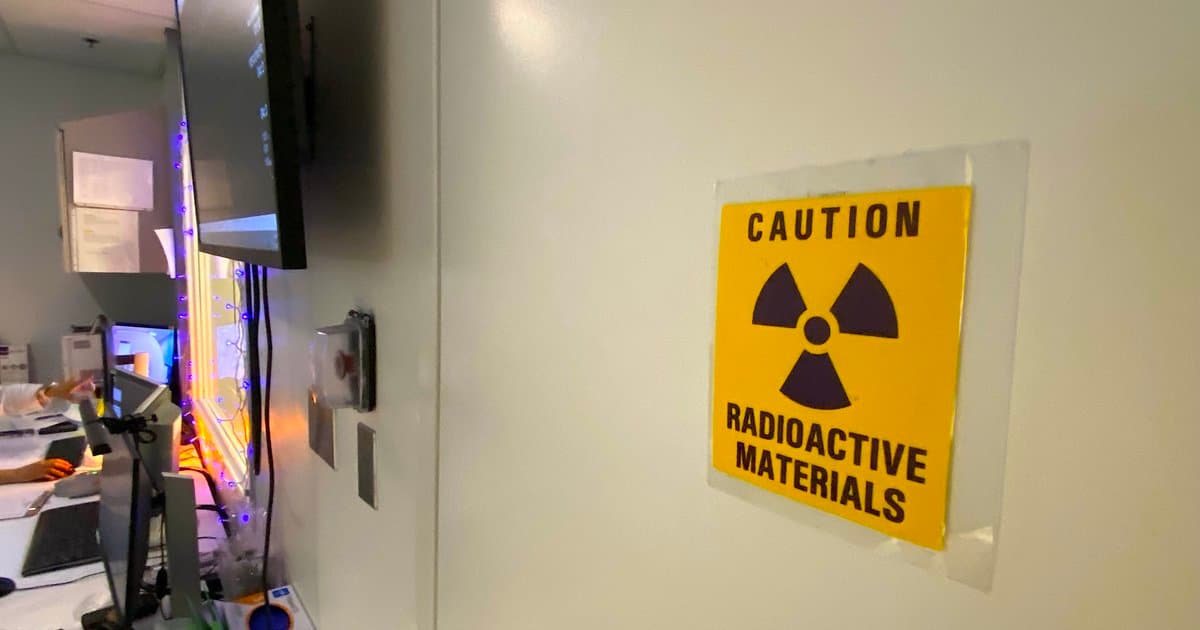
New Mexico Company Sets Sights on Bolstering the Domestic Supply of Mo-99
Why It Matters
Domestic Mo‑99 production reduces U.S. dependence on aging foreign reactors, strengthening the supply chain for essential diagnostic and therapeutic procedures and enhancing national health security.
Key Takeaways
- •Eden Radioisotopes filed NRC construction permit for Mo‑99 plant in New Mexico
- •Facility aims to supply up to 50% of global Mo‑99 demand
- •Uses Sandia‑licensed “all‑target” reactor designed for high‑yield isotope production
- •Domestic production cuts reliance on aging foreign reactors
- •12‑month NRC review timeline expected, boosting investor confidence
Pulse Analysis
Molybdenum‑99 underpins the majority of nuclear medicine scans in the United States, from cardiac stress tests to cancer staging. Historically, the isotope has been sourced from a handful of aging reactors overseas, creating a fragile supply chain vulnerable to shutdowns, geopolitical tensions, and regulatory hurdles. Recent shortages have forced hospitals to delay procedures, inflating costs and compromising patient care. The strategic importance of a reliable Mo‑99 source has therefore become a focal point for policymakers and industry leaders seeking to safeguard the nation’s diagnostic capabilities.
Eden Radioisotopes’ proposal represents a significant shift toward reshoring this critical capability. By leveraging an “all‑target” reactor concept developed at Sandia National Laboratories, Eden intends to produce both fission‑product and activation isotopes at scale, targeting roughly 50% of global Mo‑99 demand once operational. The company’s early engagement with the NRC and its emphasis on an inherently safe design aim to streamline the licensing process, with a projected 12‑month review period. This accelerated timeline not only reassures investors but also promises a faster path to market, potentially alleviating current supply bottlenecks.
If Eden secures approval, the ripple effects could reshape the U.S. nuclear medicine landscape. A domestic source would lower transportation costs, reduce reliance on foreign policy variables, and enable more predictable pricing for hospitals and imaging centers. Moreover, the facility’s capacity to produce Lu‑177—a therapeutic isotope for targeted cancer treatments—could expand the United States’ role in emerging radiopharmaceutical therapies. Competitors may be prompted to accelerate their own domestic projects, fostering a more resilient, innovative ecosystem that benefits patients, providers, and the broader healthcare economy.
New Mexico company sets sights on bolstering the domestic supply of Mo-99
Comments
Want to join the conversation?
Loading comments...