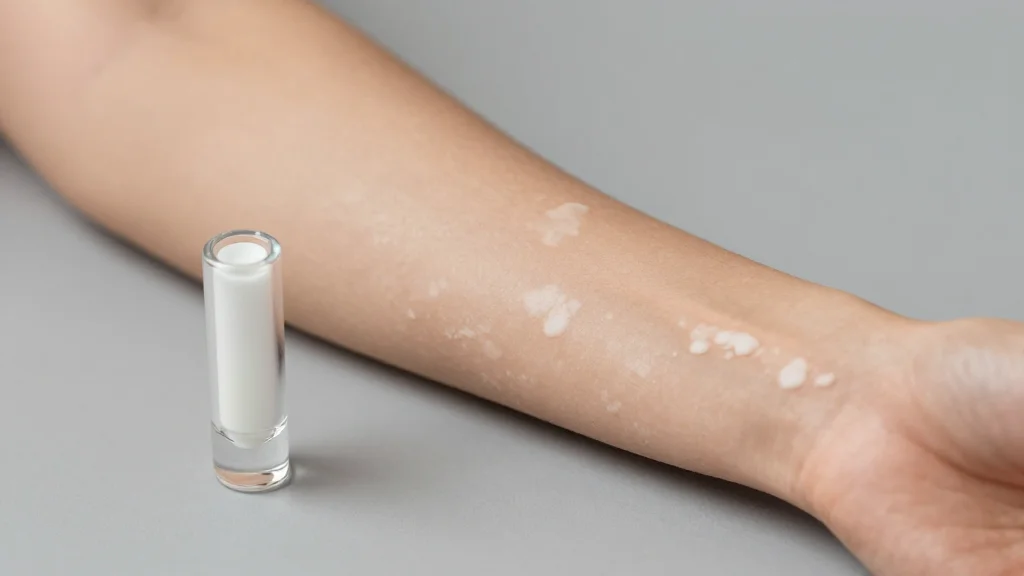
New Therapies Offer Hope for Vitiligo, an Often Misunderstood and Undertreated Disease
Why It Matters
These access challenges restrict patients from proven treatments, worsening mental‑health outcomes and limiting market growth for innovative vitiligo therapies.
Key Takeaways
- •Insurers label vitiligo cosmetic, leading to frequent claim denials
- •Opzelura (ruxolitinib cream) approved but often blocked by prior authorizations
- •Phototherapy effective yet inaccessible due to time, cost, and coverage gaps
- •Phase 3 upadacitinib data shows significant repigmentation in vitiligo
- •Providers will track authorization delays and expand mental‑health counseling
Pulse Analysis
Vitiligo, long dismissed as a purely aesthetic issue, carries a heavy psychosocial burden that rivals chronic medical conditions. Recent research underscores elevated rates of anxiety, depression, and social isolation, especially among patients with darker skin tones who face amplified stigma in many cultures. The FDA’s approval of ruxolitinib cream marked a watershed moment, offering the first evidence‑based, disease‑modifying option. Yet clinicians report that the drug’s promise is often muted by opaque payer policies that demand extensive prior‑authorizations, creating delays that can span months and erode patient confidence.
The payer‑provider disconnect extends beyond topical agents. Phototherapy, a cornerstone of vitiligo management, remains underutilized because many health plans deem it non‑essential, and patients struggle with the logistical demands of multiple weekly visits. This access gap disproportionately affects underserved communities, where socioeconomic constraints and limited specialist networks compound the challenge. Dermatology practices are increasingly forced to triage care based on insurance formularies rather than clinical need, a practice that undermines equitable outcomes and fuels disparities in disease progression.
Looking ahead, the therapeutic horizon is brightening with oral Janus kinase inhibitors such as upadacitinib, povorcitinib, and ritlecitinib showing robust Phase 3 repigmentation data. These agents could simplify treatment pathways and reduce reliance on cumbersome topical regimens. However, without a shift in how insurers classify vitiligo—from a cosmetic condition to a bona fide autoimmune disease—these innovations risk meeting the same authorization roadblocks. Stakeholders are calling for policy reforms that align coverage criteria with clinical evidence, ensuring that emerging therapies translate into real‑world improvements in quality of life and market adoption.
New Therapies Offer Hope for Vitiligo, an Often Misunderstood and Undertreated Disease
Comments
Want to join the conversation?
Loading comments...