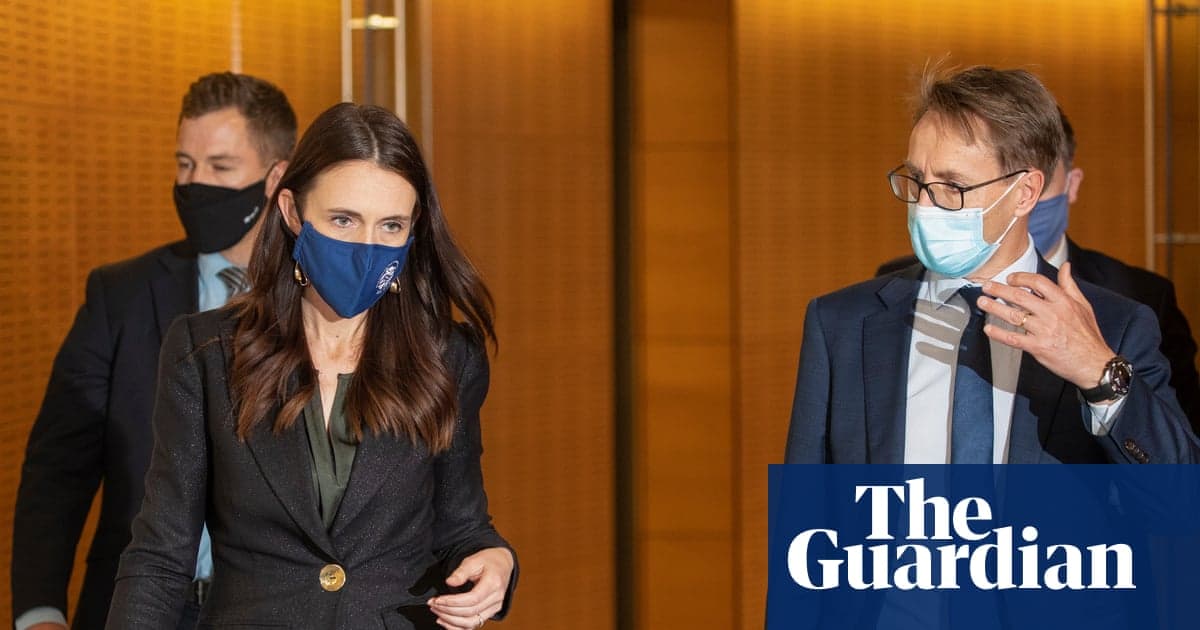
New Zealand Covid Response Among World’s Best but ‘Scars’ Remain, Inquiry Finds
•March 10, 2026
0
Why It Matters
The findings validate New Zealand’s public‑health model while exposing trust gaps that could hinder rapid response to future health crises, offering a roadmap for policymakers worldwide.
Key Takeaways
- •NZ ranked among world’s best pandemic responders
- •Elimination strategy shifted to suppression in 2021
- •Report cites delayed adaptation to new variants
- •Vaccine mandates saved lives but caused social strain
- •Commission urges stronger trust monitoring for future crises
Pulse Analysis
New Zealand’s early pandemic strategy set a global benchmark. By pursuing an aggressive elimination approach—tight border controls, swift lockdowns, and a robust vaccination rollout—the country kept Covid‑19 deaths per capita among the lowest of any developed nation. This decisive action not only saved tens of thousands of lives but also reinforced the nation’s reputation for evidence‑based governance, making it a case study for crisis management scholars and health officials alike.
The royal commission’s second phase, however, uncovers the hidden costs of that success. As the virus evolved, New Zealand’s shift to a suppression model lagged behind emerging variants, prompting criticism that decision‑makers were overly risk‑averse and insufficiently data‑driven. Prolonged mandates sparked public fatigue, culminating in rare violent protests and a lingering sense of betrayal among some citizens. These social scars underscore the delicate balance between protecting public health and preserving civil trust, a lesson that resonates beyond the islands.
Looking forward, the commission’s 24 recommendations stress institutional resilience, transparent communication, and a dedicated agency to monitor societal trust. By treating elimination tactics as temporary and embedding adaptive frameworks, New Zealand can convert its pandemic accolades into a durable preparedness blueprint. For governments worldwide, the report offers a nuanced template: combine swift, science‑led action with mechanisms that anticipate public sentiment, ensuring that future health emergencies are met with both effectiveness and legitimacy.
New Zealand Covid response among world’s best but ‘scars’ remain, inquiry finds
0
Comments
Want to join the conversation?
Loading comments...