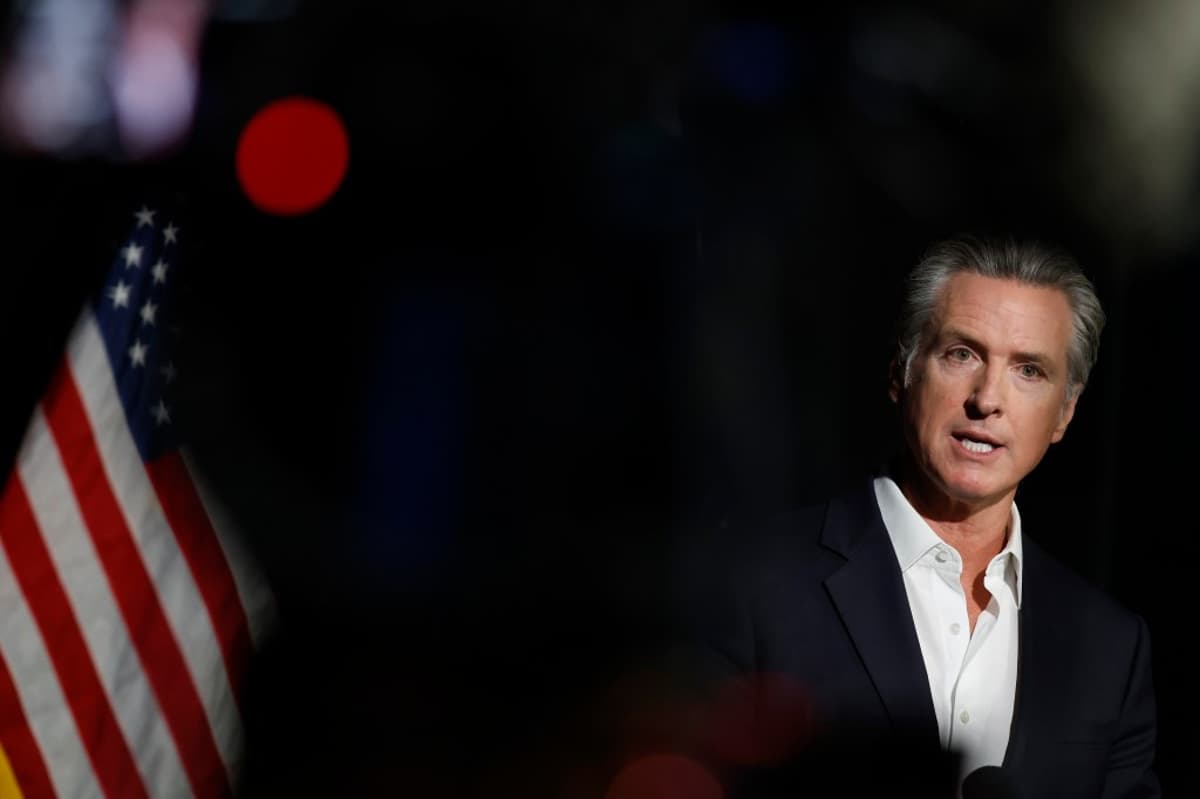
Newsom Picks a Dogfight With Trump and RFK Jr. On Public Health
•March 9, 2026
0
Why It Matters
State‑level defiance of federal health policy could reshape vaccine guidance and outbreak response across the U.S., while federal funding battles threaten essential services.
Key Takeaways
- •Newsom hired former CDC leaders to modernize California’s health system
- •West Coast Health Alliance aims to uphold scientific integrity
- •California joined WHO outbreak network ahead of other states
- •Federal cuts of $600 M sparked lawsuits blocking reductions
- •Robust state vaccine schedule counters federal rollbacks
Pulse Analysis
The clash between California and the Trump administration reflects a broader struggle over who controls America’s public‑health agenda. Newsom’s hiring of former CDC director Susan Monarez and chief science officer Debra Houry signals a deliberate shift toward evidence‑based governance, contrasting sharply with the federal push to politicize science. By publicly branding the administration’s actions as "extremist" and "weaponizing" the CDC, the governor is not only defending his state’s health infrastructure but also positioning himself as a national policy influencer, a move that dovetails with speculation about a 2028 presidential bid.
The West Coast Health Alliance, now joined by Oregon, Washington and Hawaii, represents a novel regional model for disease surveillance and vaccine policy. Its commitment to a more robust immunization schedule directly counters the federal rollback of seven childhood vaccines, offering a unified, science‑driven alternative for millions of residents. Simultaneously, California’s entry into the WHO‑coordinated outbreak response network provides faster access to global data and resources, enhancing the state’s capacity to contain measles spikes and other communicable threats that have surged amid rising vaccine hesitancy.
Financially, the federal government’s attempt to withdraw $600 million in grants threatens critical programs, from HIV prevention to chronic‑disease management, that rely on federal support for over half of state health budgets. The swift legal challenges that halted the cuts underscore the high stakes for state health departments, which risk clinic closures and reduced outbreak‑tracking capabilities. As more states consider similar alliances, the decentralization of public‑health authority could reshape funding streams, policy autonomy, and ultimately, the nation’s resilience against future health crises.
Newsom Picks a Dogfight With Trump and RFK Jr. on Public Health
0
Comments
Want to join the conversation?
Loading comments...