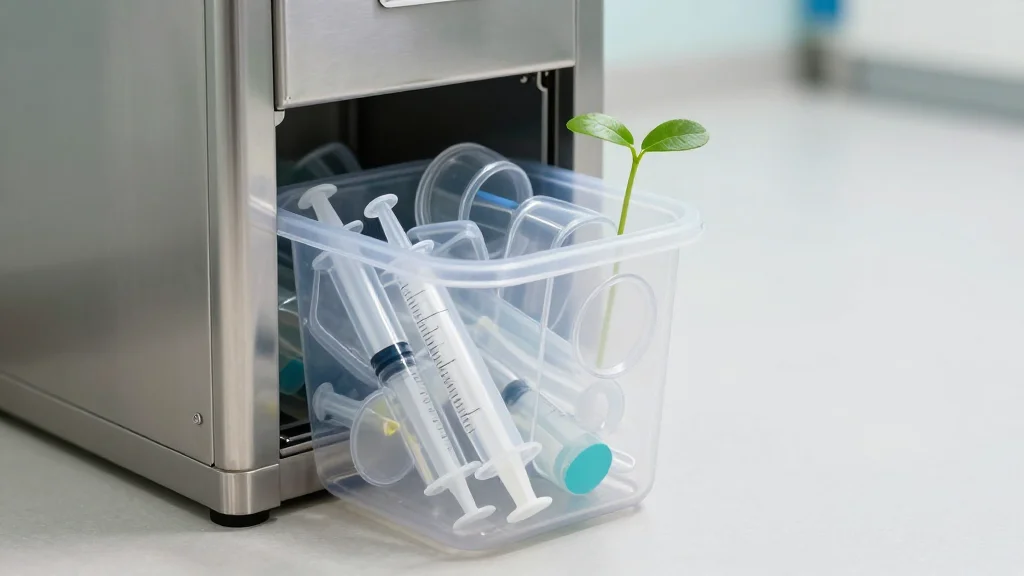
Next Step in Recycling More Healthcare Plastics: Better Labeling
Companies Mentioned
Why It Matters
Standardized labeling can dramatically boost recycling rates in a sector that recycles under 5% of its plastics, reducing landfill waste and supporting circular‑economy goals across the healthcare supply chain.
Key Takeaways
- •<5% of healthcare plastics currently recycled in NA and Europe.
- •HPRC aims to create standardized labeling for flexible and rigid packaging.
- •Major players like Johnson & Johnson, Boston Scientific joining the initiative.
- •Clear labels will help hospitals separate plastics for recycling.
- •Project supports future chemical recycling and regional Houston pilot program.
Pulse Analysis
Healthcare facilities generate a staggering volume of single‑use plastic packaging, yet diversion rates remain below 5% across North America and Europe. The low recycling figure stems from a mix of complex multilayer films, opaque material identification, and limited collection infrastructure within hospitals. As regulators and investors push for greener operations, the sector faces mounting pressure to demonstrate tangible waste‑reduction outcomes, making clear labeling a practical lever for improving recyclability.
The HPRC’s 2026 labeling roadmap brings together manufacturers, packaging suppliers and waste‑management firms to draft a unified visual language for medical packaging. By codifying symbols, resin codes and disposal instructions on both flexible pouches and rigid containers, the project aims to eliminate guesswork for frontline staff and third‑party recyclers. Participation from industry heavyweights such as Johnson & Johnson, Olympus, Stryker, Amcor and Eastman signals broad commercial buy‑in, which is crucial for achieving economies of scale and ensuring that the guidelines become de‑facto standards rather than optional recommendations.
Beyond immediate waste sorting gains, the labeling framework lays groundwork for advanced recycling pathways, including chemical depolymerization of mixed polymers. Coupled with HPRC’s upcoming regional pilot in Houston and predictive‑analytics tools to map plastic flows, the initiative could accelerate the rollout of circular‑economy models in healthcare. Investors and sustainability officers will likely monitor the project’s impact on material recovery rates, as measurable improvements could translate into cost savings, regulatory compliance and stronger ESG credentials for participating organizations.
Next step in recycling more healthcare plastics: Better labeling
Comments
Want to join the conversation?
Loading comments...