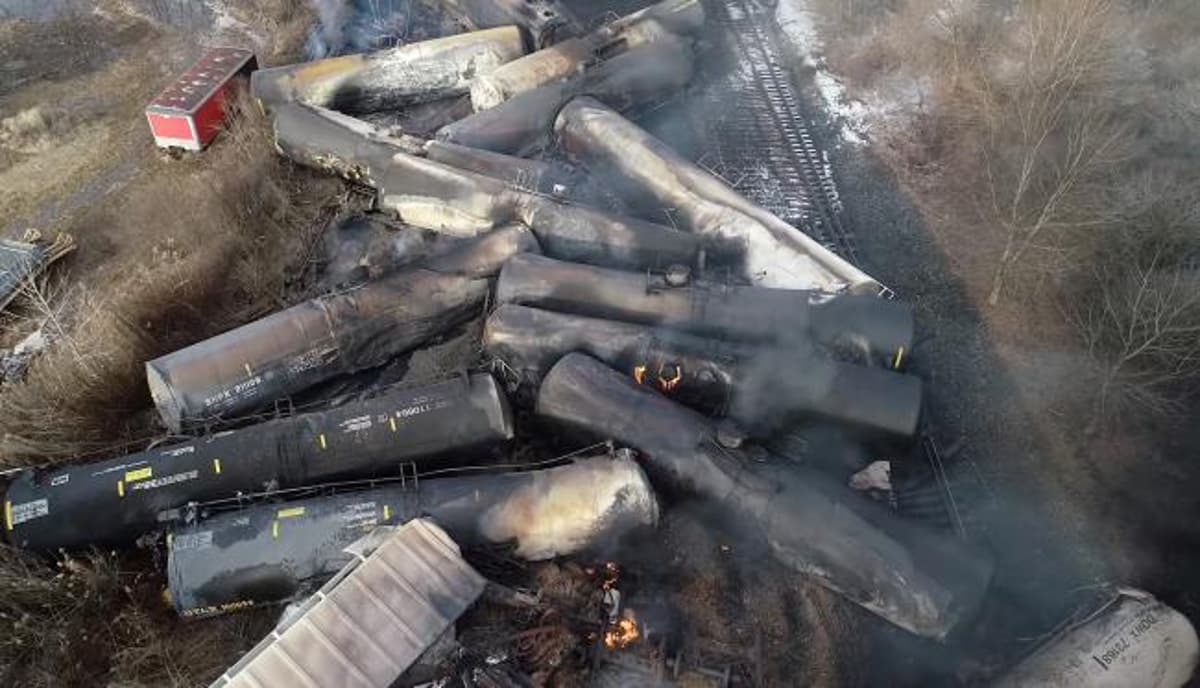
NIH Opens East Palestine Health Research Office to Study Train Disaster
Why It Matters
The program provides critical, evidence‑based insight into chronic health risks from hazardous chemical exposures, shaping future public‑health policy and emergency response frameworks.
Key Takeaways
- •NIH launches $10M, five-year health research office
- •Focus on long-term effects of 2023 chemical train derailment
- •Community engagement central to study enrollment and data collection
- •Partners include NIEHS, University of Kentucky, Pittsburgh, Yale
- •Aims to improve federal response to environmental health crises
Pulse Analysis
The establishment of a dedicated research hub in East Palestine marks a pivotal shift toward localized, longitudinal health monitoring after environmental disasters. While federal agencies have traditionally responded with short‑term assessments, this five‑year, $10 million program embeds scientists within the community, allowing for continuous data collection on respiratory, cardiovascular, immunological, and mental‑health outcomes. By leveraging the expertise of the National Institute of Environmental Health Sciences and leading academic partners, the initiative aims to generate high‑quality, peer‑reviewed evidence that can differentiate transient exposure effects from persistent health sequelae.
Community involvement is a cornerstone of the effort, reflecting a broader trend in public‑health research that prioritizes participant trust and transparent communication. Residents are offered direct pathways to enroll in studies, voice concerns, and receive individualized health feedback, which can improve study retention and data accuracy. This model also serves as a template for future incidents, demonstrating how federal agencies can collaborate with local stakeholders to co‑create research agendas that address specific exposure scenarios, such as vinyl chloride and benzene residues released during the derailment.
Beyond scientific discovery, the program has significant policy implications. Robust, longitudinal findings will inform regulatory standards for hazardous material transport, emergency response protocols, and compensation frameworks for affected populations. Moreover, the data can guide healthcare providers in screening and managing chronic conditions linked to chemical exposure, ultimately reducing long‑term morbidity. As climate change intensifies the frequency of extreme weather events that can trigger similar accidents, the East Palestine office provides a scalable blueprint for integrating health research into disaster resilience planning.
NIH opens East Palestine Health Research Office to study train disaster


Comments
Want to join the conversation?
Loading comments...