Not About Food: The Brutal Truth About Malnutrition
Why It Matters
A stronger, skilled cadre network can dramatically reduce child stunting, improving long‑term health outcomes and economic productivity across Indonesia’s rural regions.
Key Takeaways
- •68 million Indonesian mothers depend on over 1 million community health workers.
- •Kader receive little training, no pay, and minimal supervision.
- •Stunting is driven by trust gaps, not just food scarcity.
- •Investing in cadres could cut child stunting rates dramatically.
- •Urban policymakers often overlook rural health workforce needs.
Pulse Analysis
Indonesia’s stunting rates remain among the highest in Southeast Asia, with an estimated 30 percent of children under five classified as chronically undernourished. Traditional interventions have centered on food distribution, school meals, and supplemental nutrition programs. While these measures address caloric deficits, they ignore the underlying social determinants—particularly the lack of reliable, knowledgeable guidance for mothers during the critical first 1,000 days. The result is a persistent gap between policy intent and on‑the‑ground outcomes, as families in remote villages continue to receive inadequate support for breastfeeding, illness management, and growth monitoring.
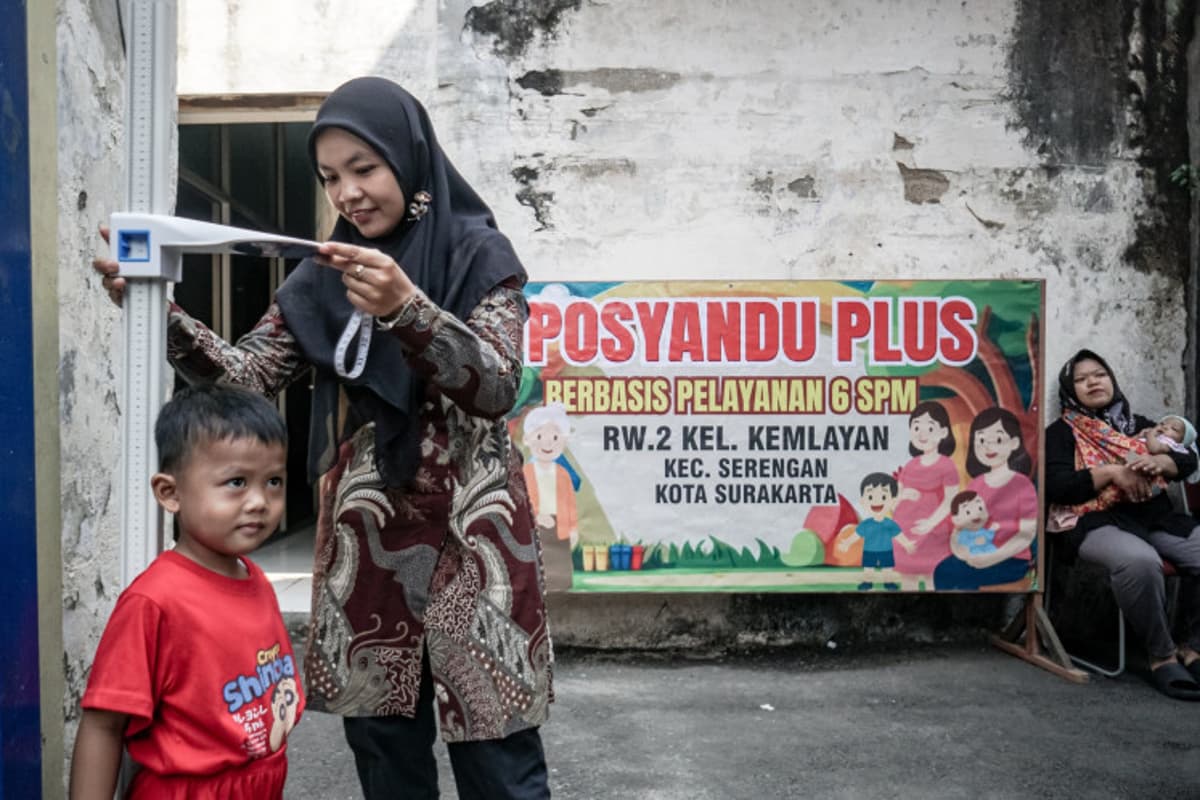
At the heart of the issue lies the cadre system, a network of more than one million volunteer health workers who serve as the first point of contact in villages across Indonesia. Despite their pivotal role, cadres operate with minimal training, no formal compensation, and limited supervision, creating a fragile trust relationship with the communities they serve. When mothers encounter questions about infant feeding or fever, the absence of a knowledgeable, respected advisor often leads to delayed care or harmful practices. Strengthening this workforce—through standardized curricula, regular mentorship, and modest stipends—can transform the cadre from a peripheral side project into a credible pillar of maternal‑child health.
Investing in cadres promises a high‑return solution: better-informed mothers, earlier detection of growth faltering, and more effective referral pathways to clinics. Pilot programs in Central Java that paired cadres with digital health tools and modest monthly allowances reported a 15 percent drop in stunting incidence within two years. Scaling such models nationwide could unlock significant health gains while reducing the fiscal burden of large‑scale food aid. For investors, NGOs, and the Indonesian government, the message is clear: empowering the existing village health workforce is the most sustainable path to ending malnutrition and unlocking the country’s demographic dividend.
Not about food: The brutal truth about malnutrition
Comments
Want to join the conversation?
Loading comments...