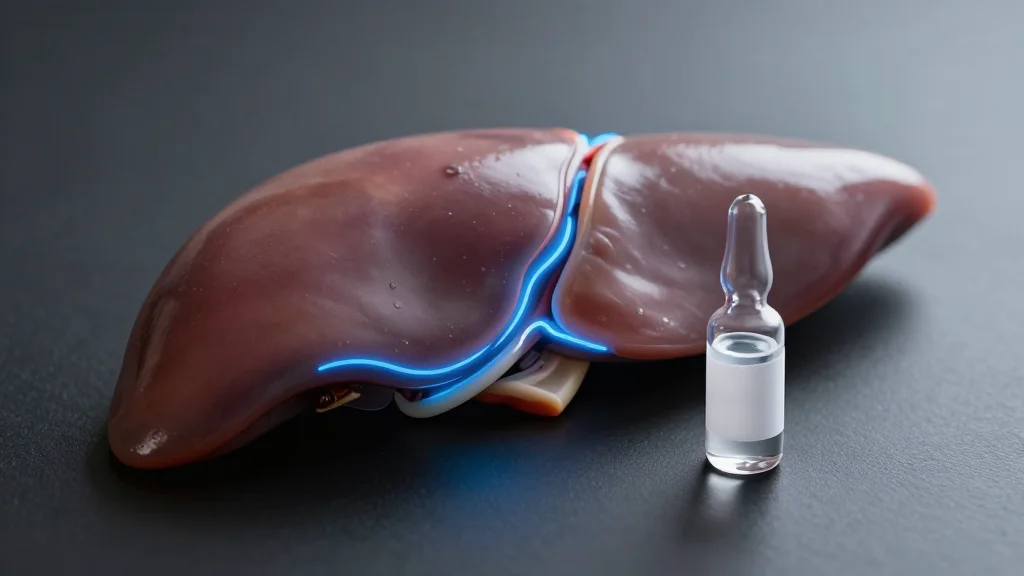
Not Just Insulin: Early Increases in Glucagon in Type 2 Diabetes Are Linked to Fatty Liver Disease
Why It Matters
Recognizing glucagon’s early rise and its tie to liver steatosis reshapes risk assessment and points to novel drug targets that could curb diabetes progression and MASLD simultaneously.
Key Takeaways
- •Postprandial glucagon 75% higher in first-year T2D patients
- •Elevated glucagon correlates with liver fat, not insulin resistance
- •Study suggests hepatic glucagon resistance driving hormone surge
- •Early fatty liver screening could curb progression to diabetes
- •Glucagon‑targeting drugs in trials may treat both diabetes and MASLD
Pulse Analysis
The new research adds a critical layer to the traditional insulin‑centric view of type 2 diabetes. By measuring glucagon responses after meals in a well‑characterized cohort, investigators demonstrated that a 75% increase occurs almost immediately after diagnosis. This elevation aligns closely with hepatic fat accumulation, indicating that the liver’s sensitivity to glucagon may be compromised early on. Such hepatic glucagon resistance could amplify glucose output, reinforcing hyperglycemia even before overt insulin resistance dominates the clinical picture.
From a clinical standpoint, the link between early glucagon spikes and metabolic‑associated steatotic liver disease (MASLD) underscores the importance of liver health in diabetes prevention. Screening for fatty liver in at‑risk individuals could identify a subgroup where glucagon‑driven glucose production is a primary driver of disease progression. Early intervention—whether lifestyle‑based or pharmacologic—might therefore blunt the trajectory toward full‑blown diabetes, offering a dual benefit of improving liver histology and stabilizing glycemic control.
Pharmaceutical pipelines are already exploring glucagon‑centric mechanisms, with several agents in phase II/III trials aiming to modulate the hormone’s action. The German study’s data provide a mechanistic rationale for these programs, suggesting that targeting hepatic glucagon receptors could simultaneously address hyperglycemia and liver fat. As the field moves toward precision medicine, integrating glucagon metrics into risk models and therapeutic decisions could refine patient selection and accelerate the development of next‑generation metabolic therapies.
Not just insulin: Early increases in glucagon in type 2 diabetes are linked to fatty liver disease
Comments
Want to join the conversation?
Loading comments...