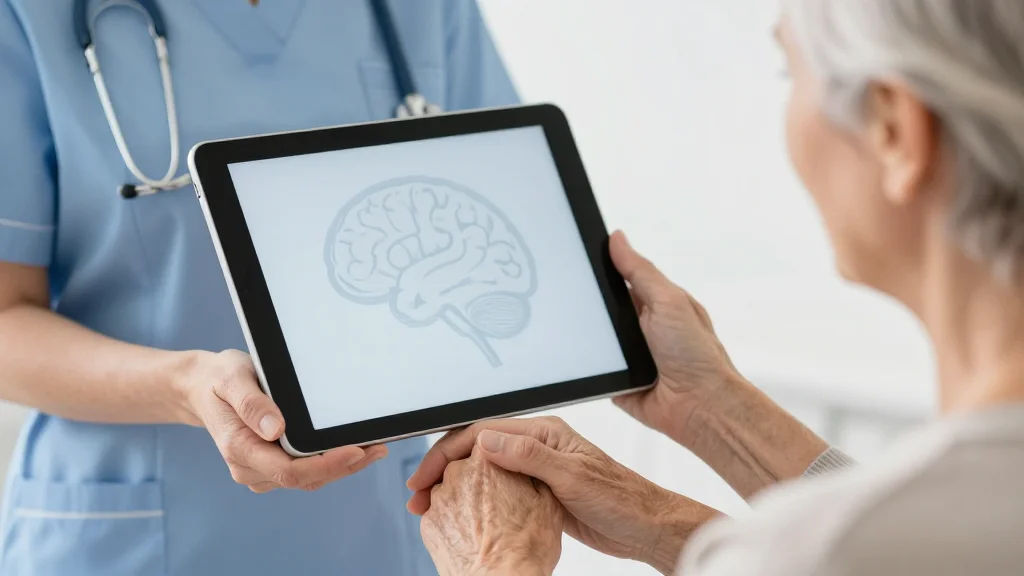
Novel In-Hospital Screening Method Detects Cognitive Issues
Why It Matters
Early detection of cognitive deficits can reduce falls, behavioral complications, and readmissions, directly improving hospital outcomes and discharge planning for a vulnerable population.
Key Takeaways
- •Screening covered >80% of eligible patients across 11,000 admissions
- •Detected 9% previously unknown cognitive impairment, 4.3% undiagnosed dementia
- •Algorithm flags high‑risk patients directly in electronic health record
- •Higher detection rates among Black and patients over 85 years old
Pulse Analysis
Hospitalized older adults often enter care with unrecognized cognitive deficits, a gap that hampers treatment decisions and elevates the risk of adverse events. National studies estimate that more than 40% of seniors admitted to U.S. hospitals have dementia, yet half remain undiagnosed, leading to misaligned medication regimens, longer stays, and higher readmission rates. The lack of systematic screening tools has left clinicians relying on ad‑hoc observations, which are inconsistent and prone to bias.
Cedars‑Sinai’s new protocol tackles this shortfall by embedding a concise cognitive test into routine nursing intake for patients 65 and older, then automatically feeding results into a decision‑support algorithm within the electronic health record. The system flags individuals who meet criteria for mild cognitive impairment or dementia, prompting targeted interventions such as fall‑prevention strategies, tailored communication, and early involvement of geriatric specialists. In its first year, the workflow screened more than 80% of eligible admissions, uncovering hidden impairment in 9% of patients and undiagnosed dementia in 4.3%, with notable detection gains among Black and ultra‑elderly cohorts.
The broader implications extend beyond immediate patient safety. By standardizing cognitive assessment, hospitals can better allocate resources, improve discharge planning, and meet emerging regulatory expectations for geriatric care quality. The equity signal—higher identification rates in historically underserved groups—suggests the model could narrow disparities in dementia diagnosis. As health systems grapple with an aging population, scalable, EHR‑integrated screening may become a benchmark for hospital accreditation and a catalyst for further research into post‑acute support pathways.
Novel in-hospital screening method detects cognitive issues
Comments
Want to join the conversation?
Loading comments...