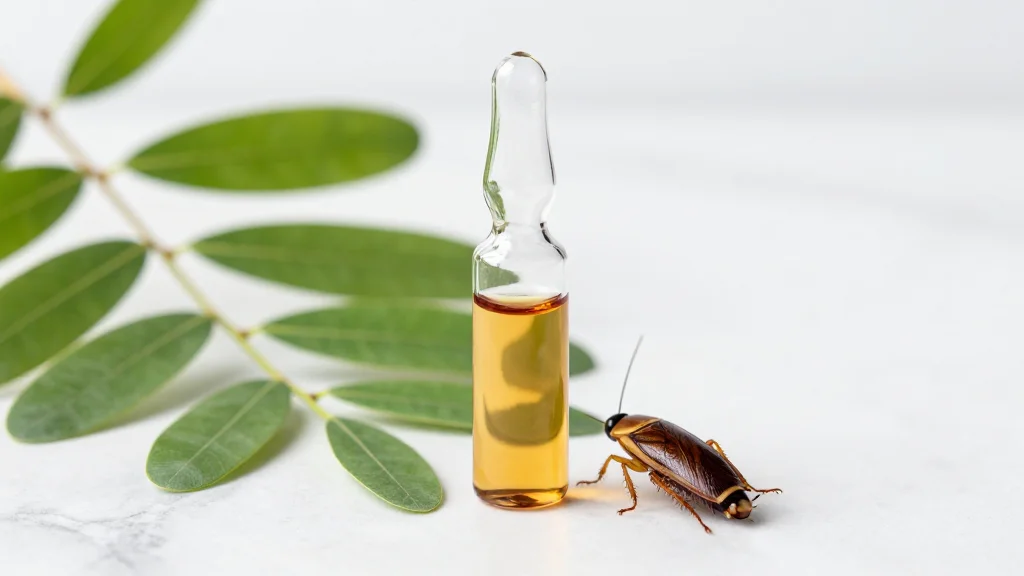
Nutritional Properties of Extracellular Vesicle-Like Particles From Sophora Flavescens and Periplaneta Americana with Effects on Streptozotocin-Induced Diabetic Wound Healing in Rats
Why It Matters
The study demonstrates a potent, low‑toxicity biologic that accelerates diabetic wound repair, addressing a major unmet need in chronic wound management and opening a new avenue for plant‑insect‑derived nanotherapeutics.
Key Takeaways
- •Combined SF‑PA extracellular vesicles achieve ~90% wound closure in 14 days
- •EVLPs contain flavonoids, alkaloids, lipids, and nucleic acids enhancing bioavailability
- •Treatment upregulates EGFR while inhibiting SRC and MMP9 in diabetic wounds
- •No significant toxicity observed in major organs or serum biochemistry
- •Provides a cross‑kingdom nano‑nutritional platform for chronic wound therapy
Pulse Analysis
Diabetic foot ulcers affect up to 2% of the global diabetic population and impose staggering healthcare costs, prompting a search for therapies that can both accelerate healing and minimize systemic side effects. Extracellular vesicle‑like particles (EVLPs) have emerged as a delivery vehicle capable of encapsulating diverse bioactive compounds while protecting them from degradation. By harvesting EVLPs from Sophora flavescens, a traditional Chinese medicinal plant, and Periplaneta americana, an edible insect long used in wound care, researchers created a novel cross‑kingdom nanocarrier that merges plant‑derived alkaloids with insect‑derived lipids, offering a synergistic blend of anti‑inflammatory, antimicrobial, and regenerative agents.
In a rigorously controlled rat model of streptozotocin‑induced diabetes, high‑concentration SF‑PA‑EVLP treatment drove wound closure to nearly 90% within two weeks, surpassing the performance of Kangfuxin Liquid, the current clinical extract. Metabolomic analysis identified key constituents such as oxymatrine, arbutin, and formononetin, which together modulate the EGFR signaling cascade—promoting keratinocyte proliferation and collagen deposition—while simultaneously dampening SRC and MMP9 activity to reduce inflammation and extracellular‑matrix breakdown. Histology confirmed robust collagen alignment and partial preservation of pancreatic islet architecture, and comprehensive biosafety profiling showed no detectable organ damage or abnormal serum enzyme levels.
The implications extend beyond a single preclinical success. The SF‑PA‑EVLP platform illustrates how cross‑kingdom vesicle engineering can unlock the therapeutic potential of complex natural product mixtures, offering a scalable, low‑toxicity alternative to synthetic drugs or single‑molecule biologics. For the nutraceutical and wound‑care industries, this approach could catalyze the development of next‑generation functional foods and topical formulations that harness synergistic bioactives. Remaining hurdles include large‑scale purification, regulatory classification, and long‑term immunogenicity studies, but the demonstrated efficacy and safety provide a compelling foundation for translational research and commercial investment.
Nutritional properties of extracellular vesicle-like particles from Sophora flavescens and Periplaneta americana with effects on streptozotocin-induced diabetic wound healing in rats
Comments
Want to join the conversation?
Loading comments...