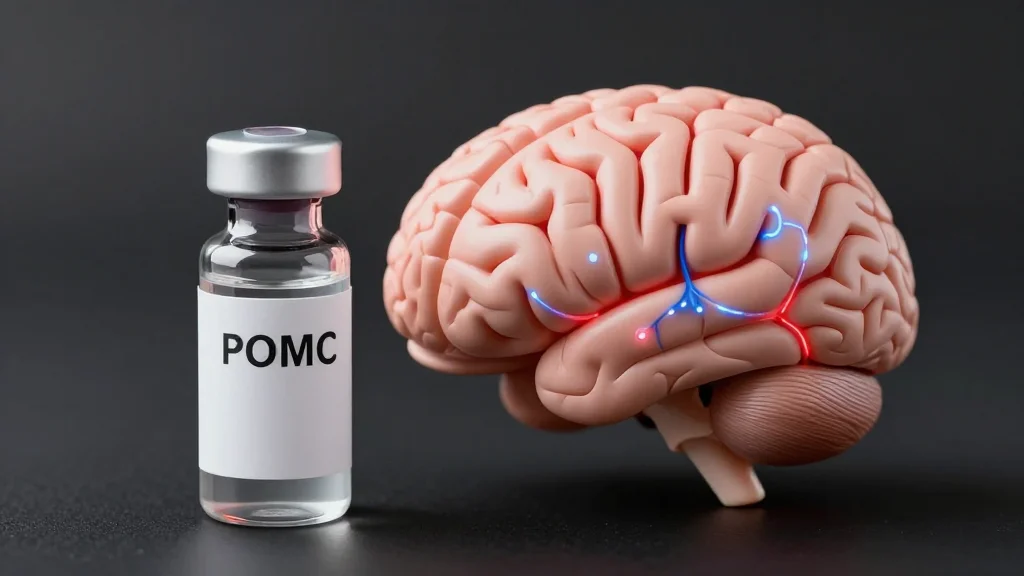
Obesity as a Neurobiological Disease: Fatima Cody Stanford, MD, MPH
Why It Matters
Viewing obesity as a neurobiological disease redirects therapeutic focus toward targeted pharmacology and reduces stigma, leading to higher patient engagement and more effective care.
Key Takeaways
- •Obesity driven by POMC (anorexigenic) and AgRP (orexigenic) brain pathways
- •GLP‑1 agonists activate POMC, suppress AgRP, promoting leanness
- •Reframing obesity reduces blame, improves patient engagement
- •Pharmacologic targets shift focus from willpower to biology
- •Integrated care blends meds, surgery, lifestyle for neurobiological disease
Pulse Analysis
The brain’s hypothalamic circuits have emerged as the central hub for regulating appetite and energy balance, overturning the simplistic view that weight is purely a lifestyle choice. Research spearheaded by clinicians like Dr. Stanford shows that the POMC pathway signals satiety, while the AgRP pathway drives hunger. Modern therapeutics—GLP‑1 receptor agonists, dual GIP/GLP‑1 agents, and even older drugs such as phentermine—work by nudging these pathways toward a leaner phenotype, providing a mechanistic rationale for their impressive clinical efficacy.
When clinicians adopt a neurobiological framework, the patient encounter transforms. Instead of attributing excess weight to personal failure, providers can discuss concrete biological targets, fostering collaborative treatment planning. This shift mitigates stigma, encourages patients to adhere to medication regimens, and opens the door for integrated approaches that combine pharmacotherapy with metabolic‑bariatric surgery and personalized lifestyle counseling. The resulting empowerment can improve retention in weight‑management programs and ultimately reduce obesity‑related complications.
The industry is responding swiftly. Pharmaceutical pipelines are crowded with next‑generation GLP‑1 analogues and multi‑agonist compounds designed to fine‑tune hypothalamic signaling. Payers and policymakers are also reevaluating coverage criteria, recognizing obesity as a chronic disease rather than a lifestyle issue. As the scientific narrative solidifies, we can expect broader insurance reimbursement, increased investment in neuro‑targeted therapies, and a more nuanced public discourse that aligns medical practice with the underlying biology of obesity.
Obesity as a Neurobiological Disease: Fatima Cody Stanford, MD, MPH
Comments
Want to join the conversation?
Loading comments...