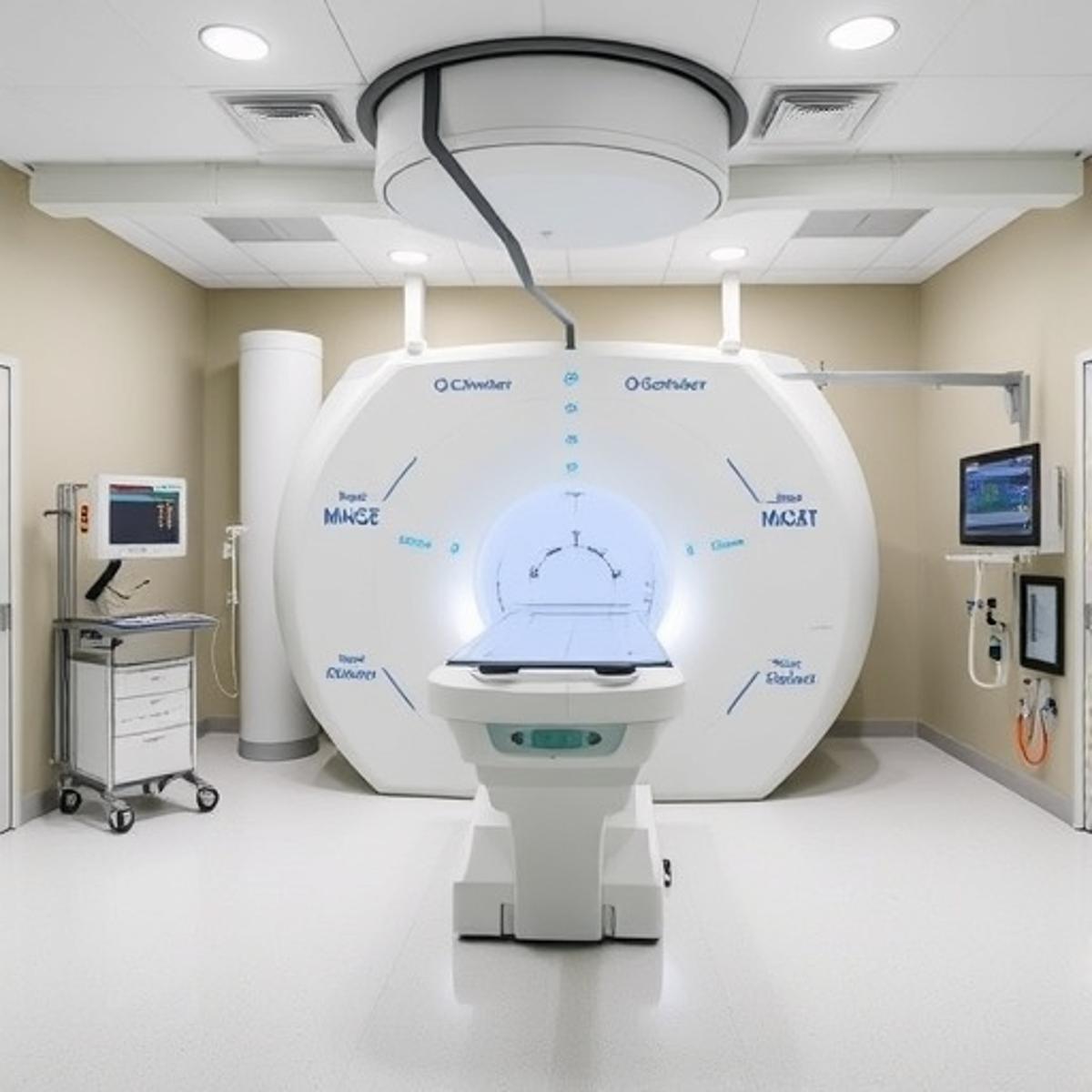
Ochsner MD Anderson Leads the Southern U.S. in Offering Precision Cancer Radiation Treatment
•March 10, 2026
0
Why It Matters
The initiative brings world‑class, low‑toxicity radiation therapy to the Southern United States, potentially improving survival rates and retaining patients who might otherwise travel to coastal hubs. It also strengthens Ochsner’s competitive position and extends MD Anderson’s national footprint.
Key Takeaways
- •First Southern U.S. center offering MR-guided radiotherapy
- •AI-driven planning reduces treatment time by 30%
- •Expected to treat 400 patients annually
- •Partnership expands MD Anderson’s national network
- •Improves local control while minimizing toxicity
Pulse Analysis
Precision radiation therapy is reshaping oncology by marrying high‑resolution imaging with real‑time dose adjustments. The Ochsner‑MD Anderson collaboration introduces MR‑guided adaptive radiotherapy—a technology that visualizes tumors during each session, allowing clinicians to modify treatment plans on the fly. This level of personalization reduces exposure to healthy tissue, shortens overall treatment courses, and aligns with the broader industry shift toward image‑guided, AI‑enhanced interventions.
For patients in the Southern United States, the new center closes a geographic gap that has historically forced many to travel to East or West Coast institutions for advanced care. By offering state‑of‑the‑art treatment locally, Ochsner can improve adherence, lower travel‑related stress, and potentially boost long‑term outcomes. The partnership also positions Ochsner as a regional leader, attracting referrals and research funding while reinforcing MD Anderson’s strategy of expanding its clinical network through vetted affiliates.
The launch reflects a larger trend of health systems investing heavily in precision oncology platforms, driven by rising cancer incidence and payer demand for value‑based care. As reimbursement models increasingly reward outcomes over volume, facilities that can demonstrate reduced toxicity and higher local control rates stand to gain financially. Looking ahead, the Ochsner‑MD Anderson model may serve as a blueprint for other mid‑size health systems seeking to adopt high‑tech radiation solutions without building standalone proton centers, accelerating the diffusion of next‑generation cancer treatment across the United States.
Ochsner MD Anderson Leads the Southern U.S. in Offering Precision Cancer Radiation Treatment
0
Comments
Want to join the conversation?
Loading comments...