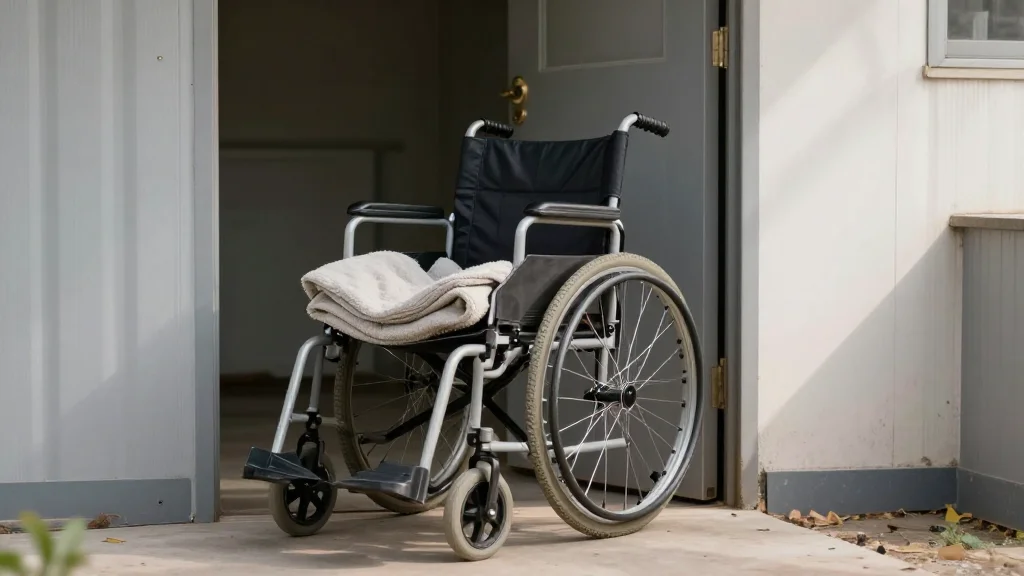
Ohio Nursing Home Discharges Patient to Homeless Shelter, Triggering CMS Probe

Why It Matters
The case spotlights a troubling loophole in the U.S. long‑term care system where financially strained nursing homes may off‑load medically fragile residents to shelters ill‑equipped to provide needed care. As Medicaid funding tightens, the incentive to discharge patients quickly can clash with patient safety, potentially increasing morbidity and mortality among seniors. Moreover, the incident erodes public trust in regulated facilities that receive federal reimbursements, prompting calls for stricter oversight and transparent reporting. If unchecked, such practices could exacerbate homelessness among older adults, strain shelter resources, and create a feedback loop where inadequate post‑acute care leads to higher health‑care costs downstream. Policymakers may need to revisit discharge regulations, expand community‑based transitional housing, and ensure that Medicaid reimbursement models do not unintentionally reward premature discharges.
Key Takeaways
- •Eastland Rehabilitation and Nursing Center discharged a diabetic resident to a Columbus homeless shelter, prompting a CMS inspection.
- •CMS faulted Eastland and six other Ohio facilities for similar discharges in recent years.
- •Chip Wilkins, Dayton Long‑Term Care Ombudsman, noted an uptick in such incidents over the past six months.
- •Scott Wiley, CEO of Ohio Health Care Association, called for stronger state oversight and resources.
- •CMS plans follow‑up compliance reviews; state legislators may consider new funding for transitional housing.
Pulse Analysis
The Ohio incident underscores a systemic tension between cost containment and patient safety that has been simmering in the long‑term care sector for years. Medicaid’s per‑day reimbursement rates have not kept pace with rising labor and medical costs, pushing facilities to prioritize bed turnover. When a resident’s discharge requires a specialized rehab bed—often scarce and expensive—administrators may resort to the path of least resistance: placing the patient in a shelter or, in some cases, a hospital that will absorb the cost.
Historically, federal oversight has focused on clinical quality metrics, but the discharge process has received less scrutiny. The CMS findings against Eastland and six peers signal a shift toward broader accountability, recognizing that a safe discharge is as critical as safe care within the facility. This could herald a new regulatory wave that mandates documented discharge plans, verified placement options, and real‑time reporting to state health departments.
Looking ahead, the market may see increased investment in community‑based transitional care providers, a sector that can bridge the gap between nursing homes and permanent housing. Private equity firms have already begun to acquire post‑acute care assets, and a regulatory push could accelerate consolidation, driving economies of scale but also raising antitrust concerns. For policymakers, the challenge will be to design incentives that keep seniors in appropriate care settings without overburdening facilities financially. The Ohio case may become a bellwether for how the nation reconciles fiscal realities with the ethical imperative to protect its most vulnerable citizens.
Ohio Nursing Home Discharges Patient to Homeless Shelter, Triggering CMS Probe
Comments
Want to join the conversation?
Loading comments...