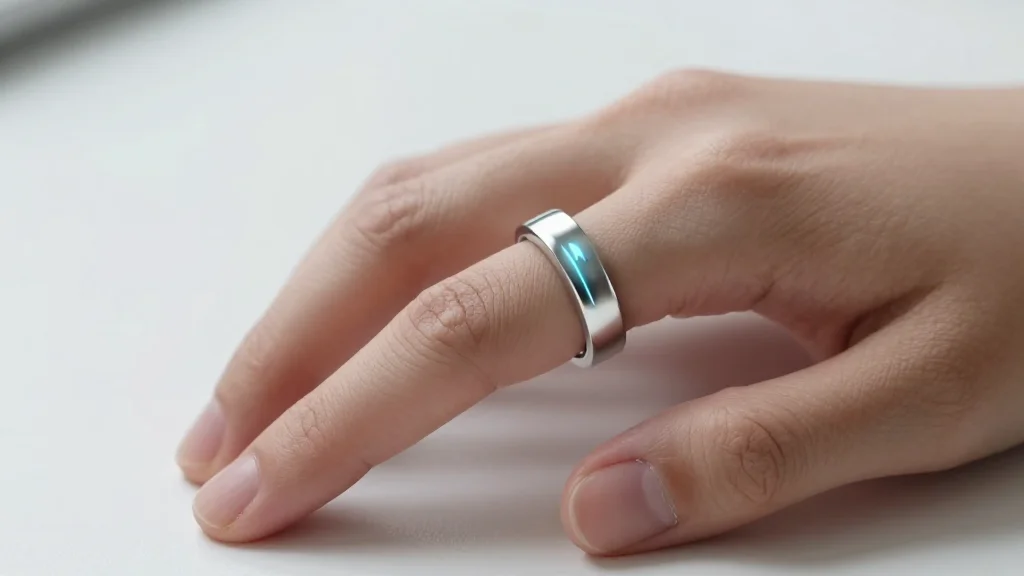
Ōura to Add Blood Pressure Feature Following FDA Policy Change
Companies Mentioned
Why It Matters
By offering passive blood‑pressure insights without regulatory hurdles, Ōura can broaden consumer health monitoring and drive engagement in the wearables market. The integrations with ResMed and virtual‑care providers deepen its role in chronic‑condition management.
Key Takeaways
- •Ōura Ring 5 adds nighttime blood‑pressure trend tracking in June.
- •Feature shows pressure trends, not systolic/diastolic values, as wellness tool.
- •FDA guidance change allows non‑medical‑device blood‑pressure monitoring.
- •30‑day breathing trend view integrates with ResMed clinician network.
- •Health‑record import and AI‑care partnership expand Ring’s ecosystem.
Pulse Analysis
The wearables sector has long been constrained by regulatory definitions that classify any blood‑pressure measurement as a medical device, limiting consumer‑grade products. In January, the U.S. Food and Drug Administration issued new guidance that distinguishes wellness‑focused pressure monitoring from diagnostic tools, opening a pathway for companies like Ōura to embed blood‑pressure insights without pursuing full FDA clearance. This policy shift aligns with a broader industry push toward continuous, passive health tracking, allowing manufacturers to add value‑added features while keeping development cycles and costs lean.
Ōura’s Ring 5 will debut a nighttime blood‑pressure trend feature that aggregates pressure signals over sleep cycles, deliberately omitting explicit systolic and diastolic readings. By framing the data as a wellness indicator, the ring nudges users toward medical consultation only when abnormal patterns emerge. The update also expands the breathing‑regularity view to a 30‑day trend, and through a recent partnership with ResMed, users experiencing disturbances can instantly connect with clinicians or receive sleep‑assessment resources. These capabilities reinforce the ring’s positioning as a holistic sleep‑and‑recovery platform rather than a standalone diagnostic device.
Beyond the immediate feature set, Ōura’s health‑record import and collaboration with AI‑enabled virtual‑care firm Counsel Health signal a strategic move toward an integrated digital‑health ecosystem. By aggregating diagnoses, medication lists, and lab results within the ring’s app, the company creates a single source of truth that can power personalized insights and future predictive models. Competitors such as Apple and Whoop are also expanding health dashboards, but Ōura’s focus on nighttime physiology and its seamless clinician linkages may carve a niche among sleep‑focused consumers and chronic‑condition patients seeking low‑friction monitoring.
Ōura to add blood pressure feature following FDA policy change
Comments
Want to join the conversation?
Loading comments...