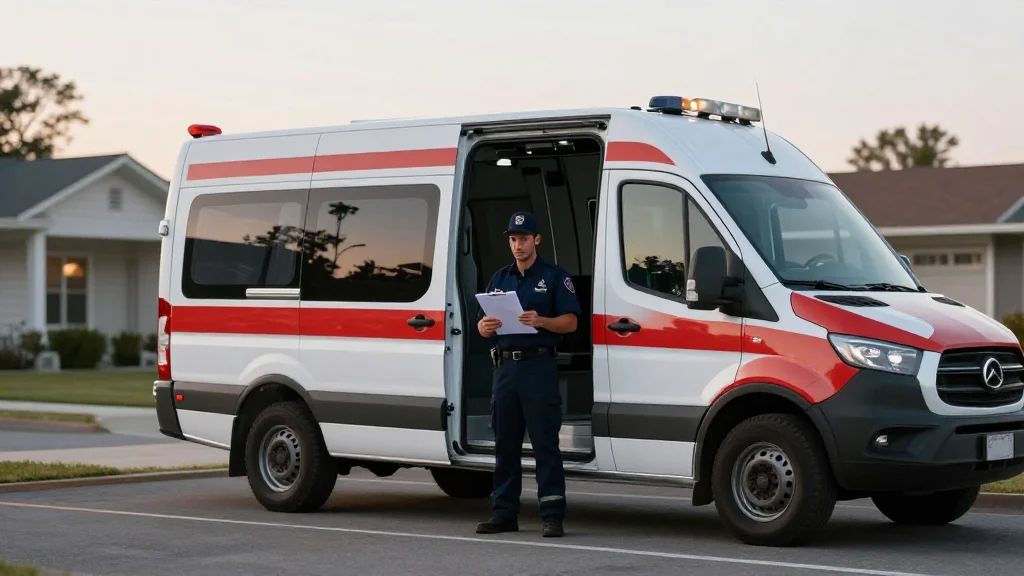
Pa. FD Ambulance Service Joins Regional EMS 911 Rotation
Why It Matters
Integrating Shenango’s ambulance into the 911 rotation improves response times and reduces reliance on distant providers, directly enhancing public safety in a region facing EMS shortages. The decision demonstrates how local governments can quickly address critical service gaps without additional financial burdens.
Key Takeaways
- •Shenango VFD ambulance added as third EMS agency in West Middlesex
- •No extra cost or contracts for borough or residents
- •Rotation enables automatic 911 dispatch, cutting school‑related response delays
- •Previously, ambulances were sourced from Ohio due to local shortages
- •Council vote reflects community push for faster emergency medical care
Pulse Analysis
Pennsylvania’s rural communities have long grappled with limited emergency medical services, and West Middlesex is no exception. Recent incidents at the local school district exposed how delayed ambulance arrivals can jeopardize patient outcomes, prompting Superintendent Raymond Omer to lobby for a more reliable dispatch solution. By adding the Shenango Township Volunteer Fire Department’s ambulance to the borough’s 911 rotation, officials created an automatic check‑in system that streamlines the selection of the nearest available unit, thereby cutting precious minutes from response times.
The council’s unanimous vote also underscores a pragmatic approach to public‑service financing. According to Shenango’s ambulance chief, David Garon, the integration incurs no additional cost to taxpayers and requires no new intergovernmental contracts. This cost‑free model leverages existing volunteer resources while eliminating the need to summon ambulances from neighboring Ohio or distant Mercer County stations—a practice that had become routine during periods of local shortage. The seamless coordination between the borough, the county 911 center, and emergency management officials illustrates how small municipalities can quickly adapt existing infrastructure to meet urgent health‑care demands.
Beyond immediate response improvements, the decision reflects a broader trend toward bolstering community resilience through local EMS partnerships. While faster ambulance arrivals are critical, officials like West Middlesex Fire Chief Richard Garrett emphasize complementary strategies such as first‑aid education, noting historically low participation in free training sessions. As rural areas continue to face staffing challenges, integrating volunteer ambulance services and promoting public health literacy will be essential components of a sustainable emergency response ecosystem.
Pa. FD ambulance service joins regional EMS 911 rotation
Comments
Want to join the conversation?
Loading comments...