Why It Matters
High no‑show rates strain dermatology clinic capacity and exacerbate health‑care inequities, reducing access for the most vulnerable patients. Addressing these predictors can improve scheduling efficiency and advance equity in specialty care.
Key Takeaways
- •Young adults 19‑25 are 2.3× more likely to miss appointments
- •Black patients miss appointments 1.9× more; Hispanics 1.2× more
- •Medicaid patients no‑show twice as often as privately insured
- •Teledermatology reduces no‑shows compared with in‑person visits
Pulse Analysis
The recent scoping review highlights how no‑show rates in dermatology clinics are not random but closely tied to socioeconomic and demographic factors. Younger patients, particularly those aged 19‑25, exhibit a 2.3‑fold higher likelihood of missing appointments, while Black and Hispanic individuals also face elevated odds. Insurance status further widens the gap: Medicaid beneficiaries miss visits at roughly double the rate of those with private coverage, and self‑insured patients are over seven times more likely to skip. These patterns underscore a systemic equity challenge that directly impacts clinic throughput and wait‑list lengths.
Understanding the root causes behind these disparities is essential for health‑system leaders. The data suggest that language barriers, limited health‑literacy, and transportation hurdles disproportionately affect non‑English speakers and socially vulnerable groups, leading to higher no‑show frequencies. When appointment slots go unused, other patients experience longer wait times, compounding access issues for communities already underserved. Consequently, no‑shows become both a symptom and a driver of broader health‑care inequities, demanding targeted interventions that go beyond simple reminders.
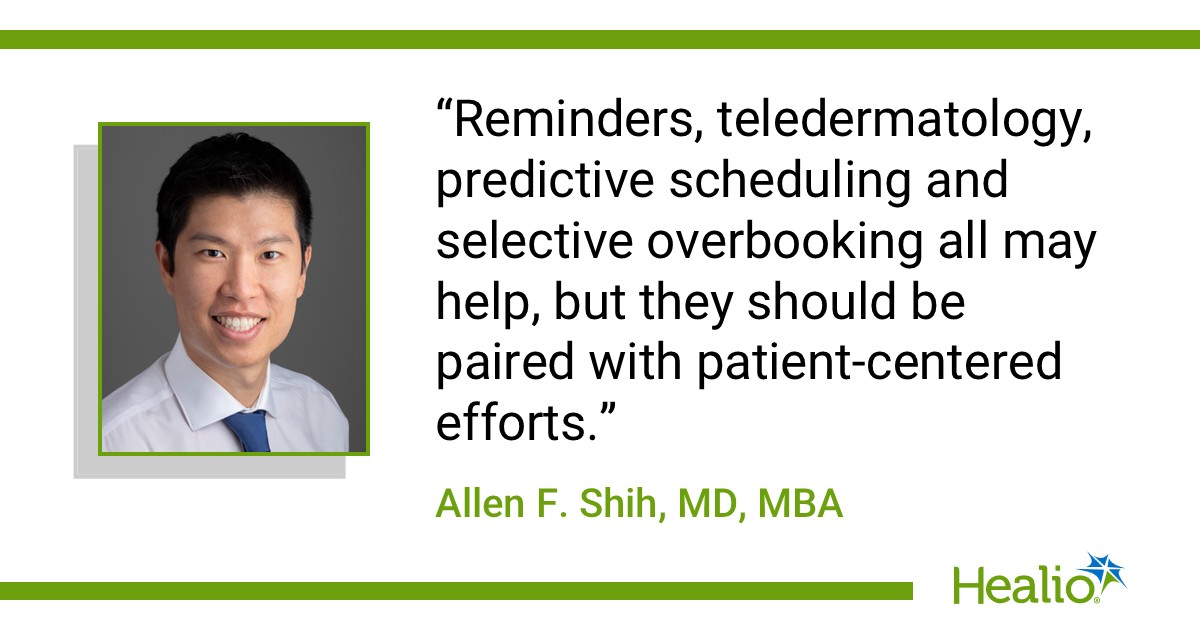
Early evidence points to teledermatology as a promising tool to mitigate missed visits, with video‑based consultations showing significantly lower no‑show rates than traditional in‑person appointments. However, technology alone cannot solve the problem. Predictive scheduling, selective overbooking, and culturally tailored outreach must be layered with patient‑centered strategies that address transportation, childcare, and financial constraints. By integrating data‑driven insights with equity‑focused policies, dermatology practices can improve appointment utilization, reduce wait times, and advance access for the patients who need it most.
Patients facing barriers to care most likely to be no-shows
Comments
Want to join the conversation?
Loading comments...