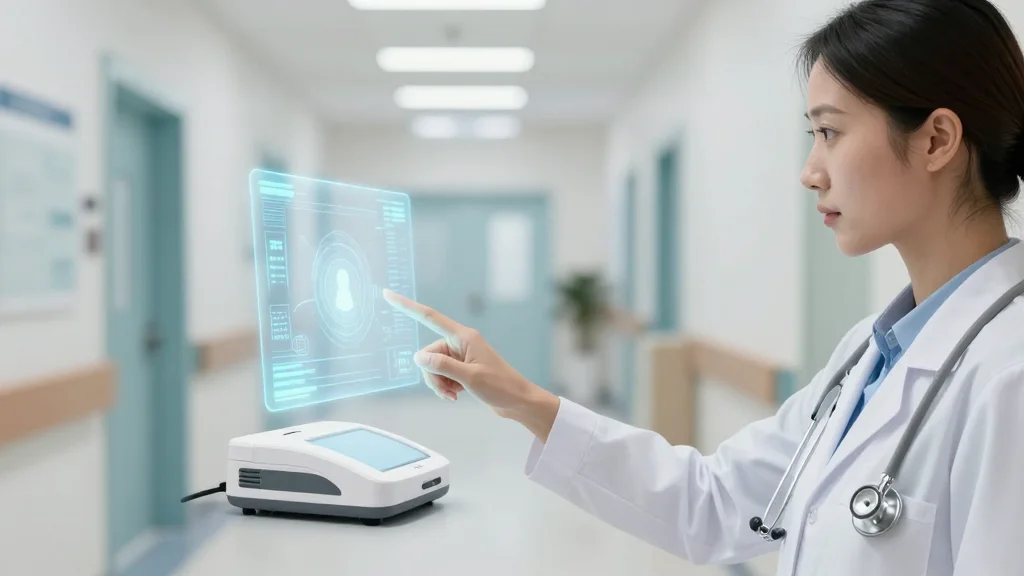
Personalized AI-Powered Training Helps Clinicians Learn New Tools
Why It Matters
By tailoring education to individual skill gaps, hospitals can realize faster ROI on costly technology and mitigate safety risks associated with poor device adoption. This AI‑enabled model reshapes clinical workforce development in a rapidly digitizing industry.
Key Takeaways
- •AI predicts clinicians' skill gaps before new device rollout
- •Tailored microlearning reduces onboarding time by up to 40%
- •uPerform's platform integrates with EHRs for real‑time guidance
- •Personalized training improves adoption rates and patient safety outcomes
- •Market for AI‑driven clinical education projected to exceed $2 billion by 2028
Pulse Analysis
The rapid introduction of advanced medical devices, digital therapeutics, and interoperable EHR modules has outpaced traditional training models in hospitals. Clinicians often receive generic webinars or printed manuals that fail to address individual proficiency gaps, leading to delayed adoption and potential safety risks. Artificial intelligence offers a way to close that gap by analyzing usage patterns, credentialing data, and real‑time performance metrics to forecast which skills each practitioner will need next. This predictive approach transforms education from a one‑size‑fits‑all lecture into a continuous, data‑driven coaching experience.
uPerform’s AI‑powered platform operationalizes that vision by continuously monitoring clinician interactions with new tools and instantly generating micro‑learning modules that match each user’s identified gaps. The system leverages natural‑language processing to translate complex device instructions into bite‑size videos, simulations, and just‑in‑time prompts that appear directly within the electronic health record interface. Early pilots report onboarding cycles shortened by 30‑40 percent and a measurable lift in correct device usage, which translates into fewer procedural errors and higher patient satisfaction scores. Because the training is embedded in the workflow, clinicians receive guidance at the point of care rather than after the fact.
The momentum behind AI‑driven clinical education is reflected in venture capital flows and corporate roadmaps. Analysts project the global market for intelligent training solutions to surpass $2 billion by 2028, driven by hospital networks seeking to accelerate digital transformation while containing labor costs. Regulatory bodies such as the FDA are also clarifying guidance on AI‑assisted learning tools, emphasizing transparency and data security, which should lower adoption barriers. For health systems, the promise is twofold: faster ROI on expensive technology purchases and a more resilient workforce capable of keeping pace with rapid innovation. As AI continues to personalize the learning journey, the competitive advantage will shift from equipment ownership to proficiency mastery.
Personalized AI-powered training helps clinicians learn new tools
Comments
Want to join the conversation?
Loading comments...