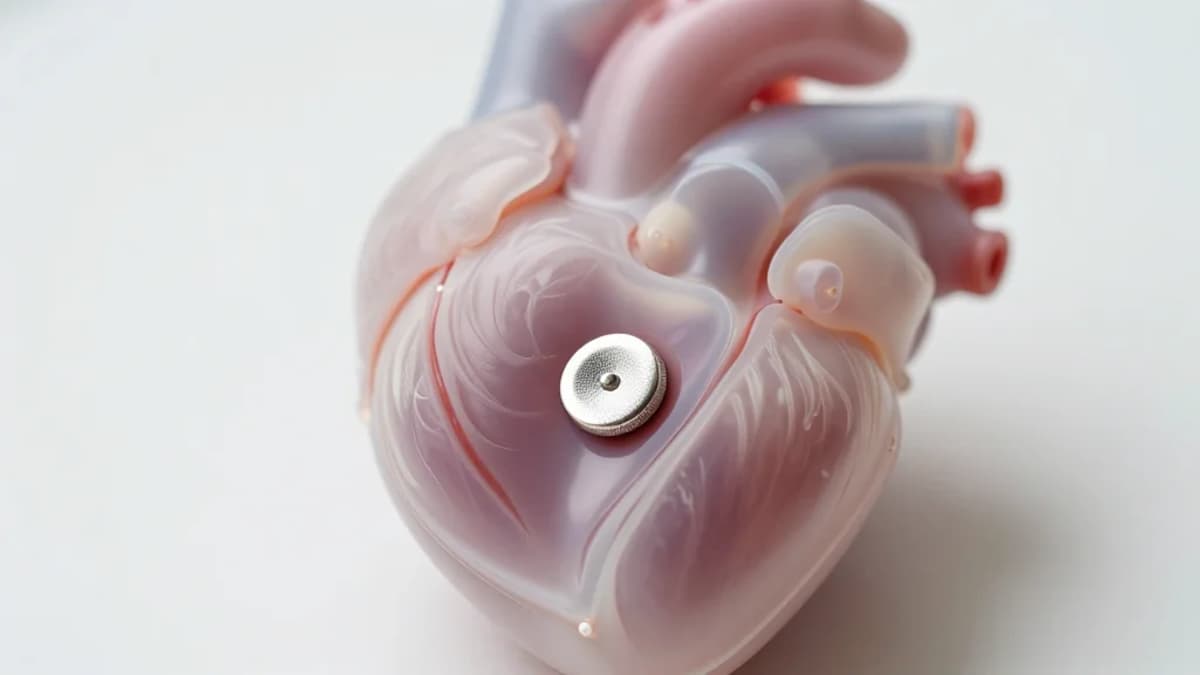
PFO Closure After Thromboembolism Linked to Strong 20-Year Outcomes
•February 25, 2026
0
Why It Matters
The findings confirm that PFO closure delivers lasting protection against recurrent ischemic events, guiding clinicians on long‑term antithrombotic strategies and reinforcing confidence in device selection for younger stroke patients.
Key Takeaways
- •20‑year follow‑up shows low recurrent stroke rate.
- •Bleeding events occurred in 13% , mostly women.
- •Majority used Abbott Amplatzer PFO occluder.
- •Median patient age 46, indicating young cohort.
- •Single‑center design limits broader applicability.
Pulse Analysis
Long‑term data on patent foramen ovale closure have been scarce, leaving clinicians to rely on short‑term trials when recommending the procedure to patients with cryptogenic stroke. The recent 20‑year JAMA Cardiology study fills that gap, providing the most extensive follow‑up to date. By tracking outcomes through medical records, physician interviews, and patient contact, researchers demonstrated that transcatheter PFO closure maintains a remarkably low incidence of recurrent strokes and transient ischemic attacks, even as the cohort ages. This durability reinforces the procedure’s role as a definitive stroke‑prevention strategy, especially for younger patients whose embolic risk persists over decades.
The analysis also highlights nuanced safety considerations. While overall bleeding events were modest at 13%, they clustered among women receiving antithrombotic therapy, echoing prior evidence of sex‑specific bleeding risk. This underscores the need for personalized antithrombotic regimens that balance ischemic protection with hemorrhagic risk, taking into account age, sex, and comorbidities. Moreover, the predominance of the Abbott Amplatzer device in the series suggests that device selection may influence long‑term outcomes, though comparative data remain limited. Clinicians should therefore weigh device experience, procedural success rates, and patient anatomy when planning closure.
From a market perspective, the study’s confirmation of durable efficacy bolsters confidence in the PFO closure industry, potentially expanding adoption beyond the current niche of cryptogenic stroke patients. Payers may view the long‑term safety profile as justification for coverage, while manufacturers can leverage the data to differentiate next‑generation occluders. Future research should aim to replicate these findings in multicenter cohorts and explore optimal antithrombotic protocols, ensuring that the therapeutic benefits observed over 20 years translate into broader, real‑world practice.
PFO closure after thromboembolism linked to strong 20-year outcomes
0
Comments
Want to join the conversation?
Loading comments...