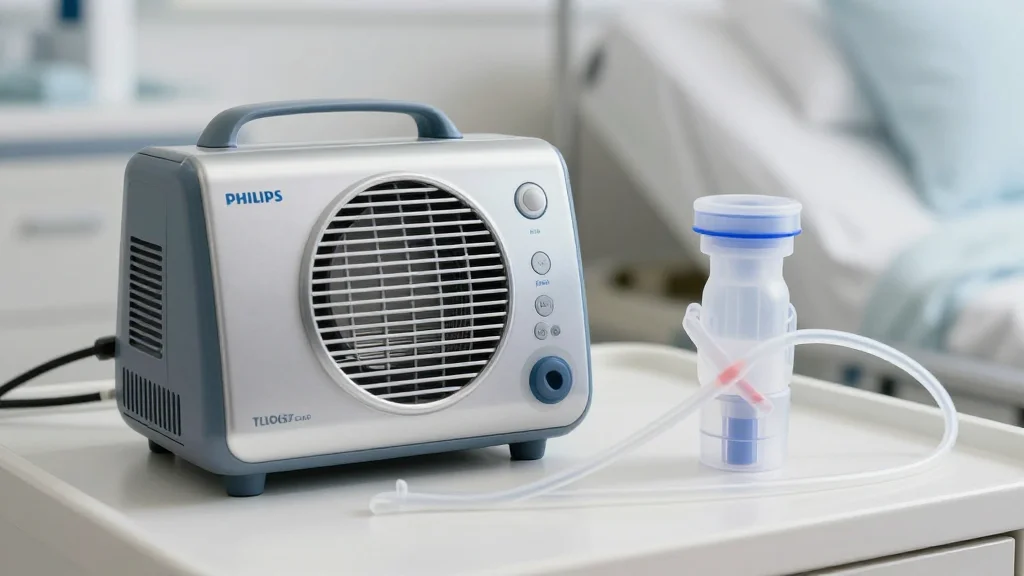
Philips Warns Not to Use Certain Nebulizers in Trilogy Evo Ventilator Recall
Companies Mentioned
Why It Matters
Using incompatible nebulizers can lead to under‑delivery of therapy, jeopardizing patient outcomes and exposing hospitals to liability. The recall underscores heightened regulatory scrutiny of medical‑device post‑market surveillance.
Key Takeaways
- •Recall covers over 113,700 Trilogy Evo ventilators worldwide
- •Non‑pneumatic nebulizers can cause tidal‑volume under‑delivery
- •FDA classified recall as Class I, indicating minimal risk
- •Philips previously barred from U.S. sales after 2024 consent decree
- •Software updates required to maintain safe ventilator operation
Pulse Analysis
Philips' latest field‑safety notice adds another layer to a tumultuous few years for its respiratory portfolio. After a 2024 consent decree that restricted U.S. sales of certain devices, the company has faced multiple software‑related alerts, false‑alarm complaints, and a broader foam‑contamination recall. The current Class I recall, the least severe FDA classification, targets the use of non‑pneumatic nebulizers with the Trilogy Evo series, a move aimed at preventing a mismatch between programmed tidal volume and actual patient delivery. While the recall does not deem the ventilators unsafe per se, it highlights the challenges of integrating ancillary equipment into complex life‑support systems.
The technical issue stems from the interaction between vibrating‑mesh nebulizers and the ventilator’s flow‑control algorithms. When a non‑pneumatic nebulizer is attached, it can introduce additional resistance and aerosol load, causing the device to miscalculate the volume of air reaching the patient. This discrepancy may result in under‑delivery of prescribed ventilation, a critical concern for both acute and home‑care settings where precise dosing is essential. Philips recommends a software update that recalibrates the flow sensors and explicitly advises clinicians to switch to pneumatic nebulizers that are compatible with the ventilator’s design.
From a market perspective, the recall reinforces the importance of rigorous post‑market surveillance and transparent communication with healthcare providers. Hospitals must audit their equipment inventories, retrain staff on the updated instructions, and potentially replace incompatible nebulizers, incurring additional operational costs. For Philips, swift compliance and clear guidance are vital to restoring confidence among clinicians and regulators. The episode also serves as a cautionary tale for other device manufacturers: integrating third‑party accessories without thorough validation can trigger regulatory action and erode brand trust. Continued monitoring and proactive software enhancements will be key to preventing future recalls and maintaining market share in the competitive ventilator space.
Philips warns not to use certain nebulizers in Trilogy Evo ventilator recall
Comments
Want to join the conversation?
Loading comments...