Why It Matters
Reliable, up‑to‑date information directly influences EMS providers' decision‑making, patient outcomes, and professional development in a high‑stakes environment.
Key Takeaways
- •EMS1 combines journalism and EMS expertise for credible content
- •Free newsletters deliver breaking EMS news straight to inboxes
- •Social channels provide video demos, tips, and community interaction
- •Focus on airway trauma training supports critical pre‑hospital skills
- •Resources aim to boost EMT/paramedic competence and patient safety
Pulse Analysis
Emergency medical services operate in a fast‑moving, high‑risk landscape where clinicians must stay current on clinical protocols and emerging best practices. EMS1 addresses this need by curating content from seasoned EMS professionals, ensuring that the information is both technically accurate and immediately applicable on the field. By blending news reporting with hands‑on training modules—such as airway trauma techniques—the platform bridges the gap between theory and real‑world execution, a crucial advantage for EMTs and paramedics who often encounter life‑threatening situations with limited resources.
Beyond written articles, EMS1 leverages a multi‑platform strategy to reach its audience where they spend time. Free newsletters summarize the week’s most critical updates, while YouTube videos demonstrate procedural steps, and social media channels foster peer‑to‑peer dialogue. This omnichannel approach not only broadens accessibility but also encourages continuous learning, allowing providers to refresh skills during downtime and stay engaged with the latest industry developments. The emphasis on free, expert‑driven resources removes financial barriers that can impede ongoing education, especially for smaller agencies or individual responders.
The broader impact of EMS1’s model is evident in the professional growth of the EMS workforce and the downstream effect on patient outcomes. Consistent exposure to high‑quality, evidence‑based content cultivates a culture of excellence and accountability within emergency services. As agencies adopt these resources, they can expect improved protocol adherence, reduced error rates, and ultimately, higher survival rates for critical conditions like airway compromise. In an era where data-driven decision‑making is paramount, EMS1’s commitment to accessible, authoritative information positions it as a pivotal catalyst for elevating pre‑hospital care standards.
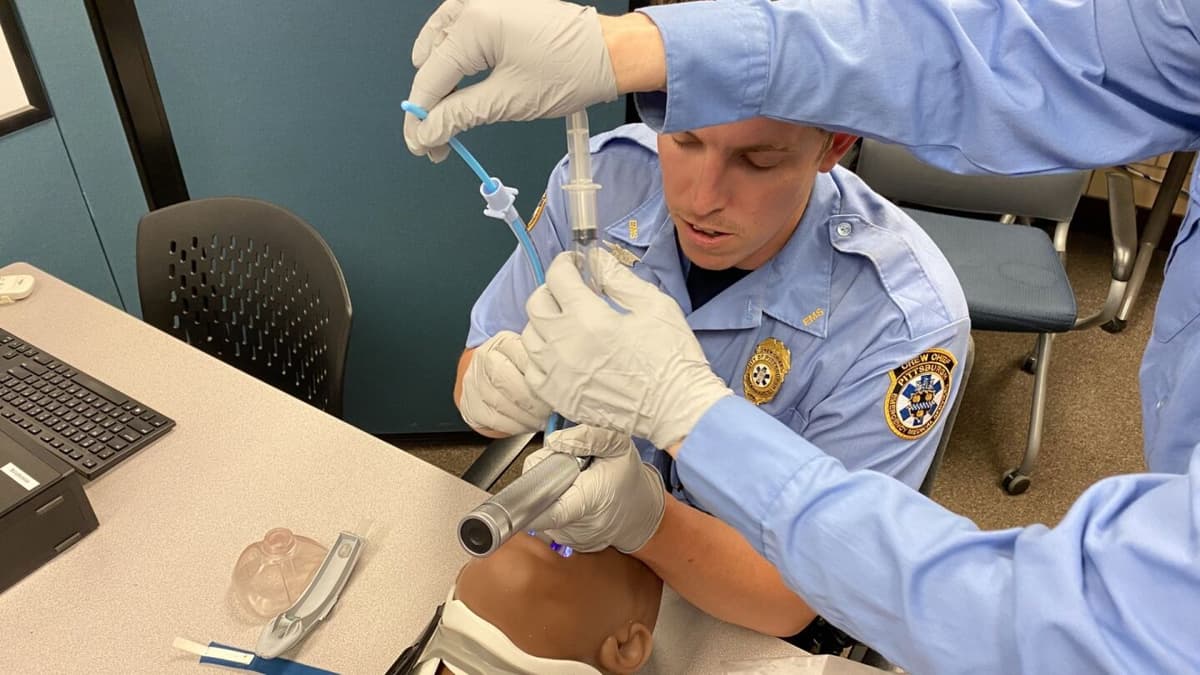
Photo of the Week: Airway trauma training
Comments
Want to join the conversation?
Loading comments...