Why It Matters
The deployment showcases how modern EMS can deliver hospital‑level treatment at mass gatherings, improving patient outcomes and easing strain on local hospitals. It sets a benchmark for other cities hosting high‑profile events.
Key Takeaways
- •100+ paramedics staffed NFL Draft, using foot teams for crowd navigation
- •Mobile unit acted as on‑site mini‑hospital, cutting transport times
- •AEDs and medical bags enabled rapid response to injuries and cardiac events
- •EMS prepared for trauma, cardiac arrest, hazardous‑materials emergencies at event
Pulse Analysis
Mass‑gathering emergencies have driven emergency medical services to rethink traditional response models. Mobile medical units, often referred to as “mini‑hospitals,” bring critical care capabilities—beds, imaging, and advanced life‑support equipment—directly to the venue. By treating patients on site, EMS reduces ambulance mileage, shortens time to definitive care, and alleviates pressure on nearby hospitals that might otherwise experience surges in admissions. This approach aligns with broader public‑health goals of decentralizing care and leveraging technology to improve outcomes in congested environments.
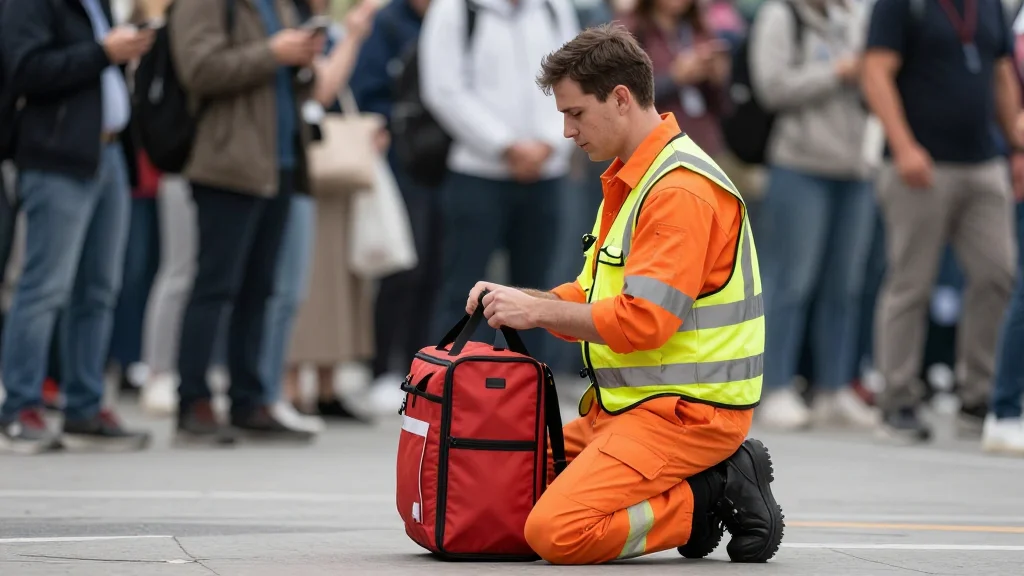
At the 2026 NFL Draft in Pittsburgh, the bureau executed this model at scale. More than 100 paramedics staffed the three‑day event, while foot teams equipped with compact AEDs and medical bags weaved through crowds to reach victims quickly. Notable incidents included a 12‑year‑old who stepped on broken glass and a man who fell into the icy Allegheny River; both received immediate assessment and treatment within the mobile unit, avoiding unnecessary transport. District Chief Fred Caprio highlighted the unit’s ability to handle everything from trauma to hazardous‑materials incidents, underscoring the flexibility required for high‑profile, high‑density gatherings.
The success of Pittsburgh’s deployment offers a template for other municipalities planning large‑scale events, from sports championships to political conventions. Key takeaways include investing in mobile medical infrastructure, training foot teams for rapid triage, and integrating EMS plans with local law‑enforcement and fire‑rescue assets. As cities compete for marquee events, the ability to guarantee hospital‑grade care on site will become a differentiator, enhancing public safety and reinforcing the strategic value of modern EMS capabilities.
Pittsburgh EMS brings ‘mini hospital’ to NFL draft
Comments
Want to join the conversation?
Loading comments...