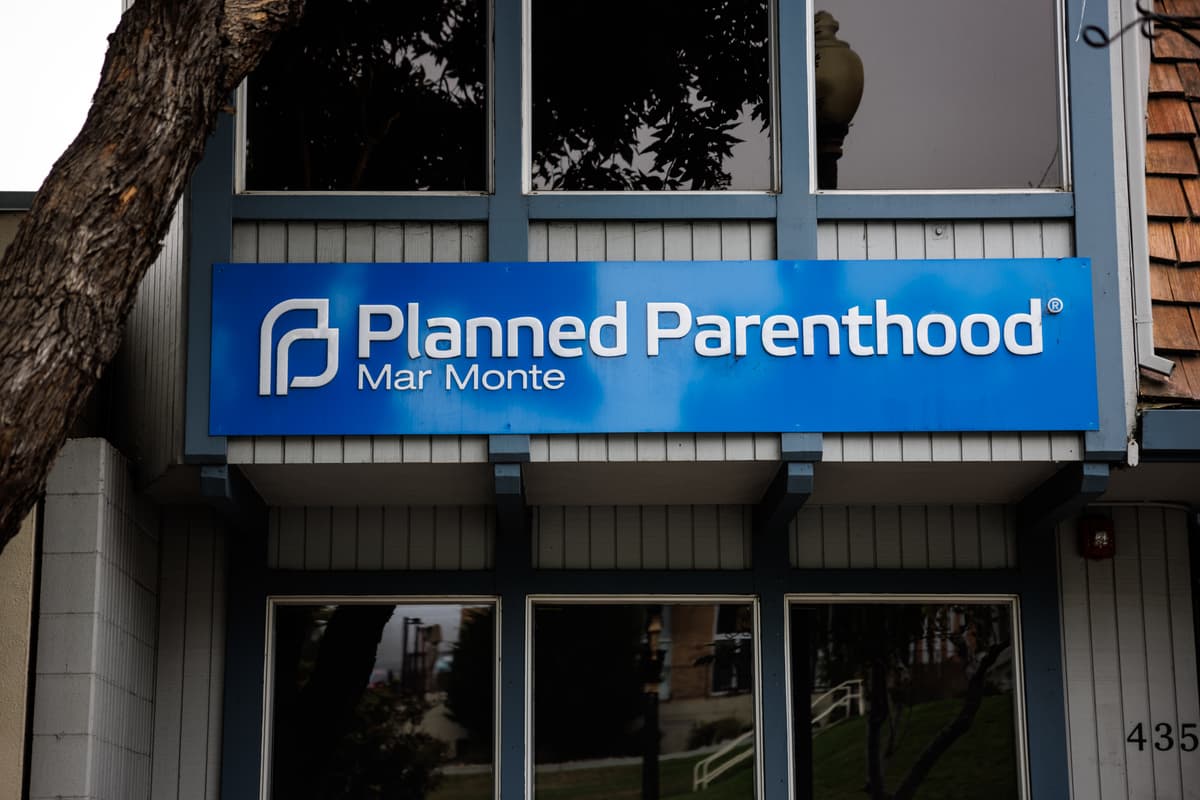
Planned Parenthood Clinic Turns to Cosmetic Care Amid Loss of Federal Funding
Why It Matters
The pivot shows reproductive‑health providers diversifying revenue amid political funding volatility, threatening low‑income patient access. It also signals a broader trend of integrating elective care to sustain nonprofit health operations.
Key Takeaways
- •Planned Parenthood Mar Monte adds Botox, IV hydration services.
- •Cash‑paid aesthetic services aim to offset Medicaid funding loss.
- •Affiliate closed five clinics after federal funding was stripped.
- •California budget provides $90 million, but long‑term sustainability unclear.
- •Three‑quarters of patients are on Medicaid, intensifying revenue challenges.
Pulse Analysis
The abrupt termination of federal reimbursements by the Trump administration has left Planned Parenthood affiliates scrambling for alternative revenue streams. Mar Monte, which serves roughly one‑third of the organization’s national patient base, saw its Medicaid‑dependent model erode as the government halted payments, prompting the closure of five clinics and a stark funding gap. State lawmakers responded with a $90 million allocation, yet officials caution that the infusion may fall short of covering essential reproductive services over time.
In response, Mar Monte has turned to the lucrative aesthetic market, offering cash‑only procedures ranging from Botox injections to IV hydration therapies. This diversification taps into a growing consumer demand for quick‑fix wellness services, while also addressing ancillary health concerns such as migraines and gender‑affirming care. Because the services are paid out‑of‑pocket, they bypass the complex Medicaid reimbursement process, providing a more predictable cash flow that can help offset the organization’s operating deficit.
The move carries broader implications for the nonprofit health sector. As political pressures continue to threaten public funding, other providers may emulate the aesthetic‑care model to bridge financial shortfalls. However, reliance on elective services could shift organizational focus away from core reproductive health missions and raise equity concerns for the predominantly Medicaid‑insured patient population. Stakeholders will watch closely whether this hybrid approach sustains service delivery without compromising the organization’s foundational purpose.
Planned Parenthood Clinic Turns to Cosmetic Care Amid Loss of Federal Funding
Comments
Want to join the conversation?
Loading comments...