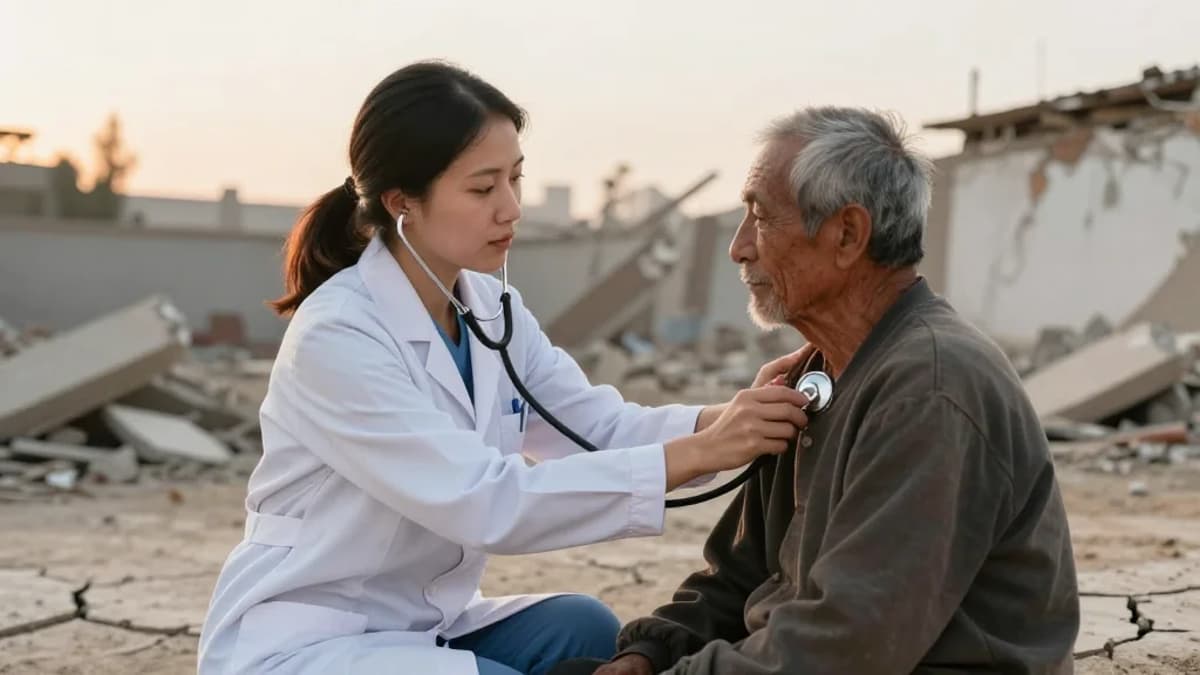
Post-Earthquake Health-Related Quality of Life in Afghanistan: A Cross- Sectional Study
•March 12, 2026
0
Why It Matters
The findings highlight urgent gaps in post‑disaster health services in Afghanistan, where vulnerable groups face compounded physical and mental hardships. Addressing these gaps is critical for effective recovery and for preventing long‑term socioeconomic decline.
Key Takeaways
- •38% reported low physical HRQoL after Herat quake.
- •Women showed significantly lower physical and psychological scores.
- •Large households double low physical HRQoL prevalence.
- •Low income, unemployment, chronic illness worsen HRQoL.
- •Targeted psychosocial and economic aid needed urgently.
Pulse Analysis
Earthquakes generate immediate physical destruction, but the lingering impact on health‑related quality of life often goes unnoticed, especially in low‑resource settings like Afghanistan. By measuring HRQoL with the WHOQOL‑BREF, researchers can quantify the multidimensional toll—physical, psychological, social, and environmental—providing a data‑driven foundation for recovery planning. In regions where health infrastructure is already fragile, such granular insight is essential for allocating scarce resources efficiently and for tailoring interventions that address both medical and psychosocial needs.
The Herat study revealed stark disparities: women experienced significantly lower physical and psychological scores, and widowed or divorced individuals faced the highest prevalence of low HRQoL across domains. Socio‑economic stressors amplified these effects; households with more than ten members, incomes below 10,000 AFN, and unemployment all correlated with poorer outcomes. Moreover, chronic illnesses and earthquake‑related injuries more than doubled the likelihood of low HRQoL, underscoring the compound vulnerability of those already burdened by health challenges.
Policy makers and humanitarian agencies must translate these findings into actionable programs. Prioritizing gender‑sensitive mental health services, expanding economic assistance for low‑income families, and establishing community‑based rehabilitation can mitigate the long‑term fallout. Integrating HRQoL monitoring into disaster response frameworks ensures that recovery efforts remain responsive to evolving needs, ultimately strengthening resilience and fostering sustainable development in earthquake‑prone regions.
Post-earthquake health-related quality of life in Afghanistan: a cross- sectional study
0
Comments
Want to join the conversation?
Loading comments...