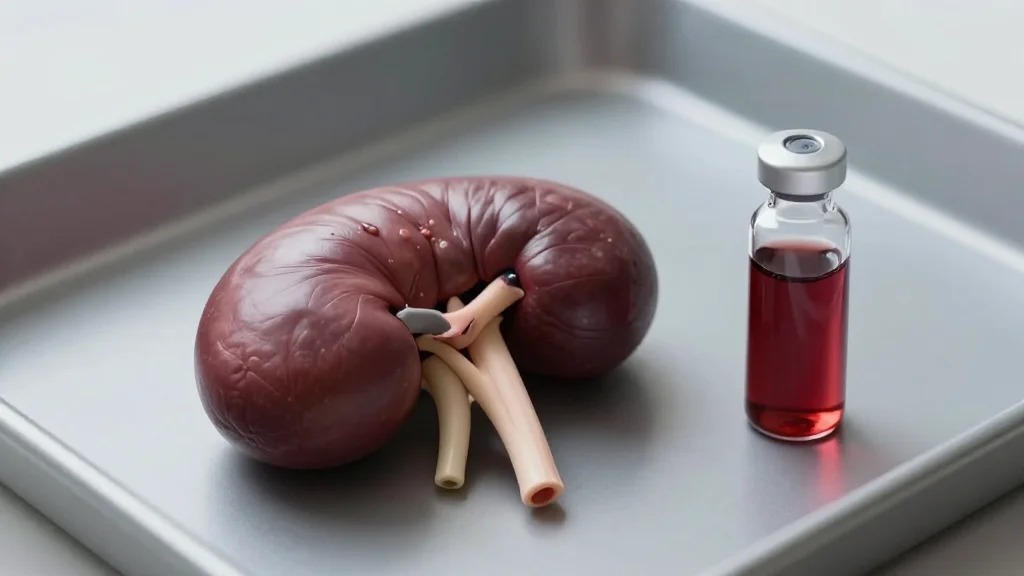
Pre-Existing Iron Deficiency Anemia and Long-Term Risk of Recurrent Acute Kidney Injury in Survivors of ICU-Associated AKI: A Propensity-Matched Study
Why It Matters
Identifying IDA as a predictor of recurrent AKI highlights a potential therapeutic target to improve renal outcomes and reduce chronic kidney disease progression among critical‑care survivors.
Key Takeaways
- •Pre‑existing IDA increased 3‑year recurrent AKI risk by 53%
- •Hazard ratio for eGFR decline below 30 ml/min/1.73 m² was 1.19
- •Association persisted in extended 3‑5‑year follow‑up (HR 1.39)
- •Male patients showed stronger IDA‑rAKI link (HR 1.64)
- •No significant impact on ESRD or overall mortality
Pulse Analysis
The study leverages the TriNetX global health‑record network to examine a cohort of critically ill adults who survived an ICU‑associated AKI episode. By applying a 90‑day landmark and rigorous propensity‑score matching, the investigators minimized immortal‑time bias and balanced comorbidities, producing a robust comparison of 13,002 patients with pre‑existing iron deficiency anemia against an equal number without. The resulting hazard ratio of 1.53 for recurrent AKI underscores a substantial elevation in risk that rivals traditional predictors such as chronic kidney disease and diabetes, suggesting that iron status may play a previously underappreciated role in renal resilience after acute injury.
Mechanistically, iron deficiency impairs oxygen delivery and disrupts mitochondrial energetics, both critical for tubular cell repair after ischemic stress. The observed modest increase in major adverse cardiovascular events (HR 1.16) aligns with broader literature linking anemia to cardiovascular strain, yet the lack of effect on end‑stage renal disease and mortality indicates that IDA’s impact may be most pronounced in the early phases of renal recovery. Subgroup analyses reveal a slightly stronger association in males, possibly reflecting sex‑based differences in iron metabolism or baseline hemoglobin thresholds.
Clinically, these findings raise the question of whether timely correction of iron deficiency after ICU discharge could attenuate the trajectory toward chronic kidney disease. While iron supplementation in the acute critical setting carries infection risk, post‑acute repletion strategies—oral or intravenous—might be explored in randomized trials to assess renal outcomes without compromising safety. Until prospective data emerge, clinicians should consider screening AKI survivors for iron deficiency and integrating anemia management into long‑term renal care pathways.
Pre-existing iron deficiency anemia and long-term risk of recurrent acute kidney injury in survivors of ICU-associated AKI: a propensity-matched study
Comments
Want to join the conversation?
Loading comments...