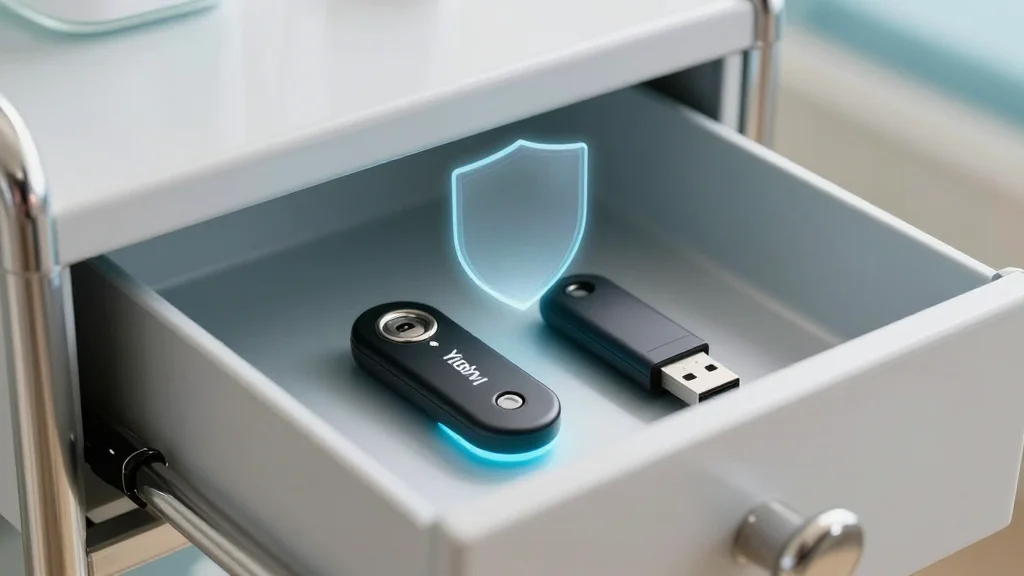
Preparing for the 2026 HIPAA Changes: A Practical Guide for Healthcare Leaders
Why It Matters
Stricter, consistently enforced HIPAA standards will raise the cost of non‑compliance while protecting patient data and preserving trust, especially for small‑to‑mid‑size providers that have historically lagged on security. Early preparation turns regulatory pressure into a competitive advantage.
Key Takeaways
- •2026 HIPAA updates replace “addressable” safeguards with mandatory controls
- •Encryption and MFA become required for all ePHI handling
- •Compliance window may be as short as 60 days after finalization
- •SMB providers must inventory assets and map data flows
- •Early risk analysis reduces breach costs and regulatory fines
Pulse Analysis
The 2026 HIPAA Security Rule revision arrives at a time when cyber‑crime targeting health data has surged, with ransomware attacks costing the sector billions annually. By eliminating the ambiguous "addressable" language that once allowed organizations to defer security measures, the new rule forces a uniform baseline of protection. This shift reflects broader regulatory trends that prioritize data integrity and patient privacy, aligning health‑care security expectations with those in finance and critical infrastructure.
For small and mid‑size practices, the changes are both a challenge and an opportunity. Mandatory encryption and multi‑factor authentication will require upgrades to legacy EMR systems and tighter access controls, while the mandated asset inventory compels providers to map every repository of electronic protected health information. The projected 60‑day compliance window leaves little room for reactive fixes; instead, a phased risk‑analysis approach—identifying high‑risk gaps first—can spread effort over months and reduce the likelihood of costly breach penalties. Documentation of policies, procedures, and technical safeguards becomes a living artifact, essential for both audit readiness and incident response.
Strategically, healthcare‑focused managed service providers (MSPs) can accelerate readiness by delivering continuous monitoring, automated compliance reporting, and expert guidance on control implementation. Partnering with an MSP not only eases the operational burden but also signals to patients and payers that the organization treats data security as a core competency. In an environment where a single breach can erode trust and trigger regulatory fines far exceeding the cost of compliance, the 2026 HIPAA updates should be viewed as a catalyst for building resilient, trustworthy health‑care operations.
Preparing for the 2026 HIPAA changes: A practical guide for healthcare leaders
Comments
Want to join the conversation?
Loading comments...