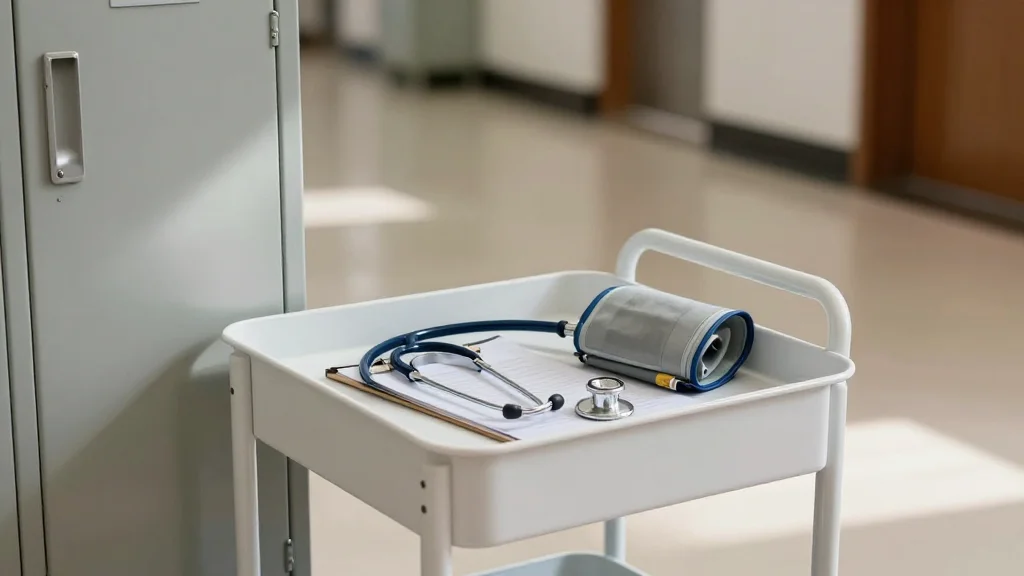
Pulaski County Schools Seek New Partner After Mainline Health Moves Clinic to Telehealth‑Only Model

Why It Matters
The abrupt termination of Mainline Health’s on‑site clinic highlights the fragility of school‑based health services that rely on external nonprofit partners. With limited utilization, providers may deem such clinics financially unsustainable, leaving students—especially those from low‑income families—without convenient access to primary and behavioral health care. In a state where pediatric Medicaid enrollment is high and school nurses are often overburdened, the loss of a dedicated clinic could increase emergency department visits and widen health disparities. Beyond Pulaski County, the situation raises policy questions about how districts contract with health providers, the metrics used to assess clinic performance, and the role of telehealth as a substitute versus a complement to in‑person care. Legislators and education leaders may need to consider safeguards, such as minimum service guarantees or shared‑risk financing, to ensure continuity of care for students when utilization falls short of expectations.
Key Takeaways
- •Pulaski County School Board voted unanimously on May 12 to end Mainline Health partnership
- •Mainline’s clinic averaged only one visit per day versus eight needed to break even
- •Telehealth‑only model slated to begin in the 2026‑27 school year
- •District now issuing a request for proposals for a new on‑site health partner
- •The shift spotlights broader challenges of financing school‑based health clinics
Pulse Analysis
Mainline Health’s retreat from the Pulaski County school clinic reflects a broader industry trend where nonprofit health systems are reassessing the economics of school‑based care. While the mission‑driven model promises preventive services and early intervention, the financial reality often hinges on steady patient volume and reimbursement rates that may not cover overhead costs. In Arkansas, where many families rely on Medicaid and uninsured coverage, low utilization can quickly erode a clinic’s bottom line, prompting providers to pivot toward telehealth, which carries lower fixed costs.
However, telehealth is not a panacea for school health. The on‑site model offers immediate access to vaccinations, acute care, and behavioral health services that are difficult to replicate remotely, especially for students lacking reliable internet or parental supervision. The Pulaski case may accelerate discussions at the state level about funding mechanisms—such as per‑student allocations or blended payment models—that could subsidize on‑site services regardless of visit counts. Policymakers might also explore partnerships that blend telehealth with periodic in‑person visits, creating a hybrid approach that preserves essential face‑to‑face care while leveraging digital efficiencies.
For districts, the lesson is clear: contracts must embed performance metrics, contingency plans, and shared‑risk provisions to protect students from service disruptions. As more districts confront similar utilization challenges, we can expect a wave of renegotiated agreements and possibly new state guidelines aimed at stabilizing school‑based health infrastructure. The outcome in Pulaski County will be a bellwether for how education and health sectors collaborate to meet the evolving needs of students in a post‑pandemic landscape.
Pulaski County Schools Seek New Partner After Mainline Health Moves Clinic to Telehealth‑Only Model
Comments
Want to join the conversation?
Loading comments...