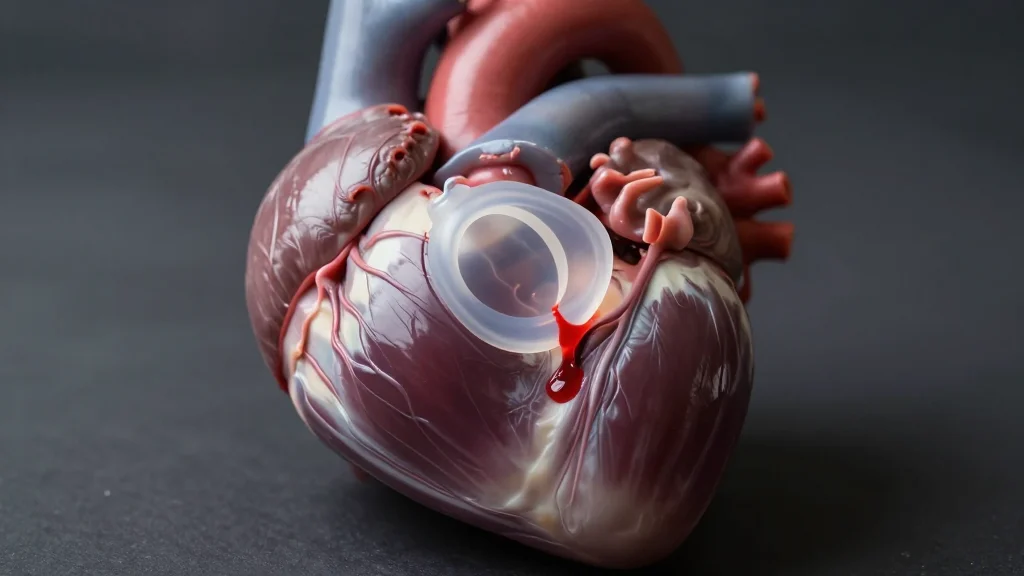
PVL After TTVR Linked to Much Lower Survival Rate, Fewer Clinical Benefits
Why It Matters
The findings highlight a clear safety gap in current TTVR technology, prompting manufacturers to accelerate design improvements and clinicians to tighten procedural protocols, ultimately protecting a vulnerable, elderly patient cohort.
Key Takeaways
- •Moderate/severe PVL occurred in 6.1% of TTVR patients.
- •One‑year mortality reached 39.7% with moderate/severe PVL.
- •Valve malposition most strongly predicts significant PVL after TTVR.
- •Large right‑atrial volume and type IV morphology increase PVL risk.
- •Improved imaging and device design needed to cut PVL rates.
Pulse Analysis
Paravalvular leak has long been recognized as a complication of transcatheter aortic and mitral valve replacements, but its impact in the tricuspid space has remained murky. The recent JACC: Cardiovascular Interventions paper leverages real‑world data from the TRIPLACE registry, encompassing almost 400 patients with a mean age of 76.6 years, to quantify that risk. By isolating moderate or greater PVL—found in just over six percent of cases—the authors demonstrate a stark jump in one‑year mortality to nearly 40 percent, underscoring that even a modest leak can negate the hemodynamic benefits of TTVR.
The analysis also pinpoints procedural and anatomical drivers of leak. Device malposition emerged as the most potent predictor, with a 20.8% one‑year mortality among those with significant PVL versus just over one percent in well‑positioned implants. Likewise, enlarged right‑atrial volumes and type IV valve morphologies—characterized by irregular annular geometry—correlated with higher leak rates. These insights reinforce the necessity of meticulous pre‑procedural imaging, precise sizing, and operator experience to achieve optimal annular sealing. They also suggest that current device platforms, such as the widely used Evoque system, may require redesigns to accommodate the unique challenges of the low‑pressure right‑sided circulation.
For the industry, the study sends a clear market signal: next‑generation TTVR solutions must prioritize leak mitigation to unlock broader adoption. Manufacturers are likely to invest in adaptive sealing skirts, enhanced radial force mechanisms, and real‑time imaging integration to reduce malposition. Meanwhile, hospitals may adopt stricter case‑selection criteria and advanced imaging workflows, driving demand for specialized cardiac CT and 3‑D echo capabilities. As the tricuspid field matures, the ability to deliver leak‑free implants will become a key differentiator, influencing both reimbursement models and competitive positioning in a rapidly expanding segment of structural heart disease therapy.
PVL after TTVR linked to much lower survival rate, fewer clinical benefits
Comments
Want to join the conversation?
Loading comments...