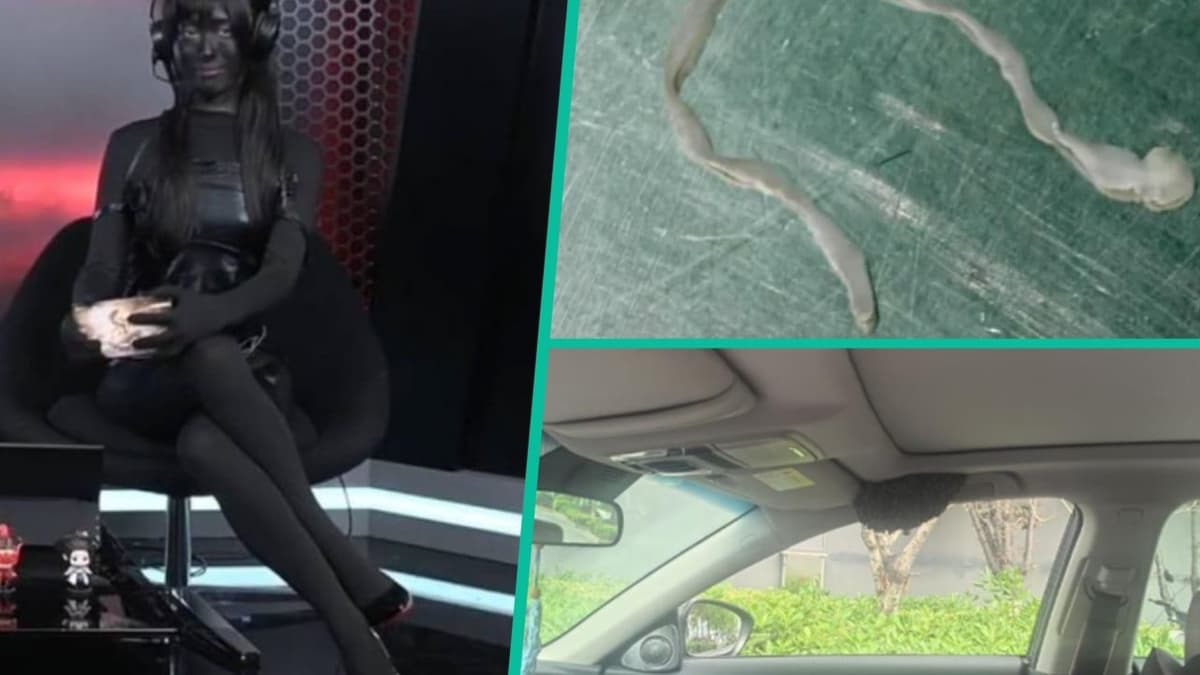
Quirky China: Doctor Removes Worm From Woman’s Brain, Under-Fire Gamer Dyes Her Skin Black
Why It Matters
The incident underscores how outdated folk medicine can lead to severe, hard‑to‑diagnose infections, prompting public‑health officials to reinforce modern medical education. It also illustrates the challenges Chinese hospitals face in diagnosing rare parasitic diseases amid rising demand for advanced neurosurgery.
Key Takeaways
- •8‑cm worm removed from 61‑year‑old’s brain in Guangdong
- •Patient linked infection to childhood frog‑leg tooth remedy
- •Raw spring water and snake wine are potential parasite sources
- •Case reveals diagnostic hurdles for rare brain parasites
Pulse Analysis
Parasitic infections of the central nervous system are rare but devastating, especially when they masquerade as vague neurological complaints. In China’s southern provinces, where traditional remedies persist alongside modern healthcare, patients may unknowingly expose themselves to tapeworms, nematodes, or other helminths. The woman’s story—rooted in a folk belief that frog legs can extract "tooth worms"—exemplifies how cultural practices can introduce pathogens that later migrate to the brain, causing chronic numbness, headaches, and cognitive decline. Physicians must therefore maintain a high index of suspicion for parasitic etiologies, even when symptoms appear unrelated to recent exposures.
The surgical removal of an 8‑centimeter worm required a multidisciplinary team, advanced imaging, and precise microsurgical techniques. Such complex neurosurgical interventions are becoming more common in China’s rapidly expanding tertiary hospitals, reflecting both improved technical capacity and growing patient expectations. However, the case also highlights systemic gaps: delayed diagnosis due to atypical presentation and limited awareness of rare parasites can prolong suffering and increase treatment costs. Public‑health campaigns that educate rural populations about the dangers of consuming untreated water or unregulated traditional concoctions could reduce future incidences.
Beyond the immediate medical implications, the episode raises broader questions about the intersection of tradition and modernity in Chinese healthcare. While respect for cultural heritage is important, integrating evidence‑based medicine into community practices is essential for safeguarding public health. Policymakers may consider partnering with local leaders to disseminate safe‑practice guidelines, leveraging mobile health platforms to reach remote areas. As China continues to modernize its health infrastructure, balancing cultural sensitivity with rigorous scientific standards will be key to preventing similar cases and ensuring better outcomes for patients nationwide.
Quirky China: doctor removes worm from woman’s brain, under-fire gamer dyes her skin black
Comments
Want to join the conversation?
Loading comments...