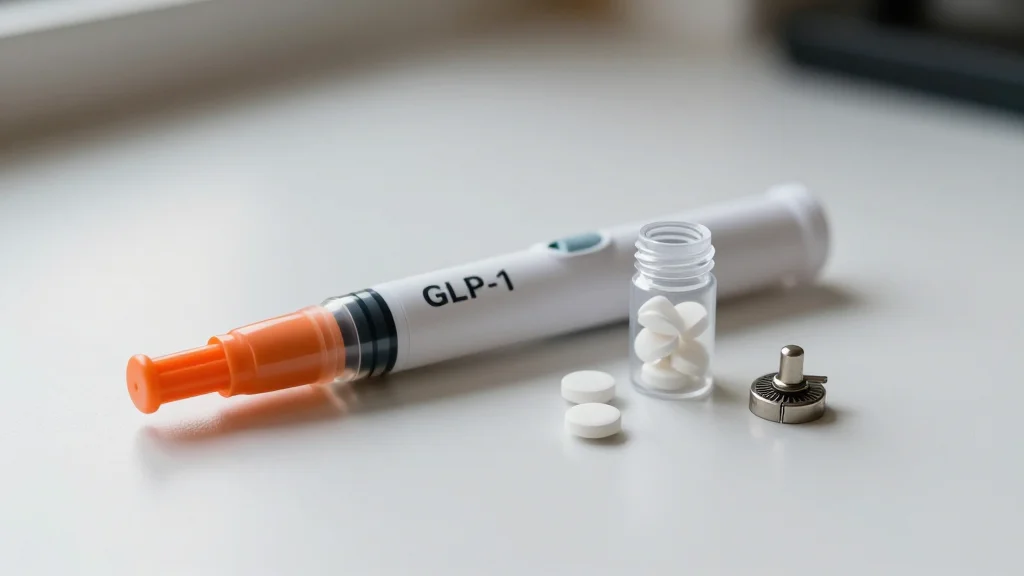
Quit a GLP-1? Plan to Start Again? It's Not Recommended, but Plenty of People Do It
Companies Mentioned
Why It Matters
Low persistence erodes the clinical benefits of GLP‑1s and raises safety concerns, while the growing on‑again‑off‑again pattern pressures regulators and payers to reconsider coverage and oversight.
Key Takeaways
- •Less than 25% stay on GLP‑1s after one year
- •74% of quitters intend to restart the medication
- •Intermittent use may cause rapid fat regain and muscle loss
- •Research on short‑term GLP‑1 cycles remains limited
- •Marketing pushes temporary use, raising safety concerns
Pulse Analysis
The rapid expansion of GLP‑1 drugs, originally launched for chronic diabetes management, has reshaped the obesity‑treatment landscape. Clinicians prescribe them for lifelong use because they target hormonal pathways that regulate appetite and glucose. However, real‑world data from insurance claims reveal a stark contrast: fewer than 25 % of patients stay on therapy after twelve months, indicating that the clinical promise is being undercut by adherence challenges and the high cost of continuous treatment.
Consumer behavior is now a driving force behind the GLP‑1 market. A recent Kantar survey shows that 74 % of individuals who discontinue the medication intend to resume it, reflecting a perception that short‑term use is sufficient for weight loss. Lower‑priced oral formulations and direct‑to‑consumer online sellers have lowered barriers to entry, while social‑media ads portray the drugs as a casual diet aid. This environment encourages a cycle of quitting and restarting, complicating efforts to assess long‑term outcomes and prompting insurers to grapple with coverage policies that were designed for chronic, not episodic, use.
Health experts caution that intermittent GLP‑1 use may carry hidden costs. Studies suggest up to 40 % of weight loss on these agents is lean muscle, and repeated discontinuation can trigger rapid fat regain and potential sarcopenia, especially in older adults. While some data indicate improved muscle quality, the net effect of short‑term cycling remains uncertain. The dearth of robust research on periodic exposure highlights a regulatory gap, urging policymakers, manufacturers, and clinicians to prioritize longitudinal studies and clearer guidance on safe usage patterns.
Quit a GLP-1? Plan to start again? It's not recommended, but plenty of people do it
Comments
Want to join the conversation?
Loading comments...