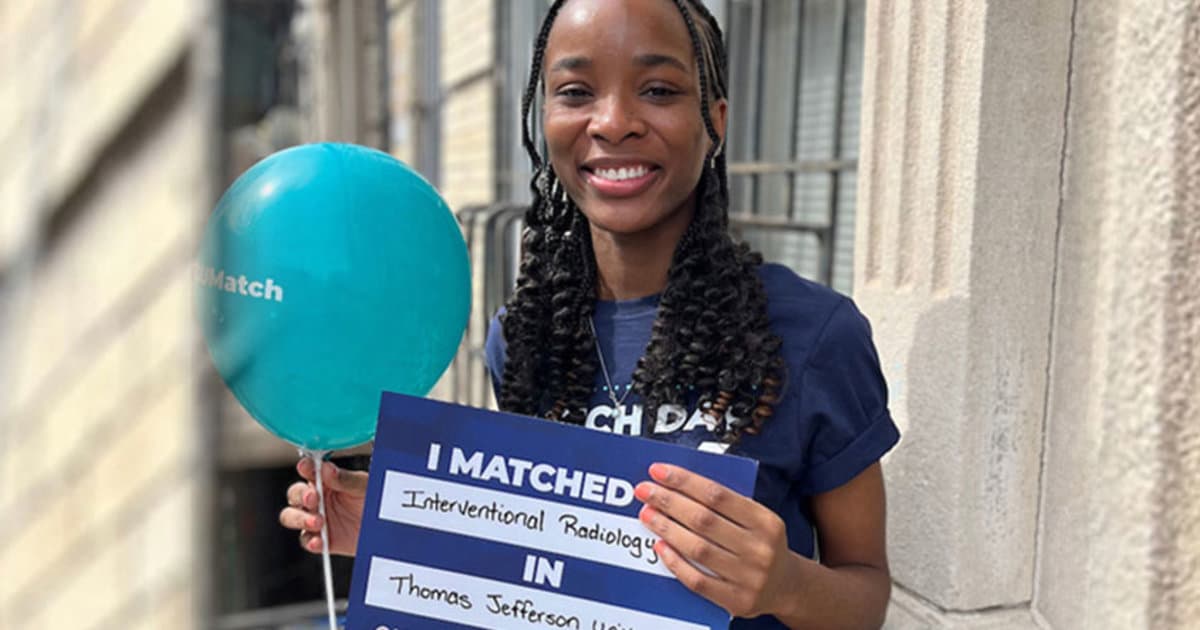
Radiology Residency Costs Rising, Posing a Potential Barrier to Entering Profession
•March 10, 2026
0
Why It Matters
Escalating financial barriers may shrink the radiology talent pipeline and affect match outcomes, prompting programs to reassess cost‑saving measures like signaling and away‑rotations.
Key Takeaways
- •Post‑pandemic residency costs rose 65% for diagnostic radiology.
- •Application fees now dominate diagnostic radiology expenses.
- •Away rotations drive interventional radiology cost increase.
- •West region applicants face highest financial burden.
- •ERAS applications increased despite signaling, raising costs.
Pulse Analysis
The pandemic temporarily lowered residency expenses by shifting interviews online and limiting travel, but the relief was short‑lived. Recent data reveal that post‑pandemic costs have rebounded sharply, erasing the 60% savings seen in 2021‑2022. For diagnostic radiology, average outlays have climbed to $3,783, while interventional trainees now face $5,309 in total expenses. These figures underscore how quickly financial pressures can re‑emerge when traditional application practices resume.
Application fees now account for more than half of diagnostic radiology costs, reflecting a broader trend of applicants submitting larger numbers of programs despite the introduction of preference‑signaling. In interventional radiology, the primary cost driver has shifted to away rotations and second‑look visits, which can double travel and lodging expenditures. Geographic disparities further exacerbate the burden; candidates from the West encounter higher logistical costs due to fewer local training slots, amplifying regional inequities in access to radiology careers.
Stakeholders are urged to revisit cost‑containment strategies. Program directors might limit away‑rotation requirements or offer virtual alternatives, while advisors should counsel applicants on budgeting and the realistic impact of signaling on interview yields. Monitoring the AAMC fee‑assistance program’s effectiveness will be crucial to ensure that rising expenses do not deter a diverse pool of talent, preserving the specialty’s growth and innovation trajectory.
Radiology residency costs rising, posing a potential barrier to entering profession
0
Comments
Want to join the conversation?
Loading comments...