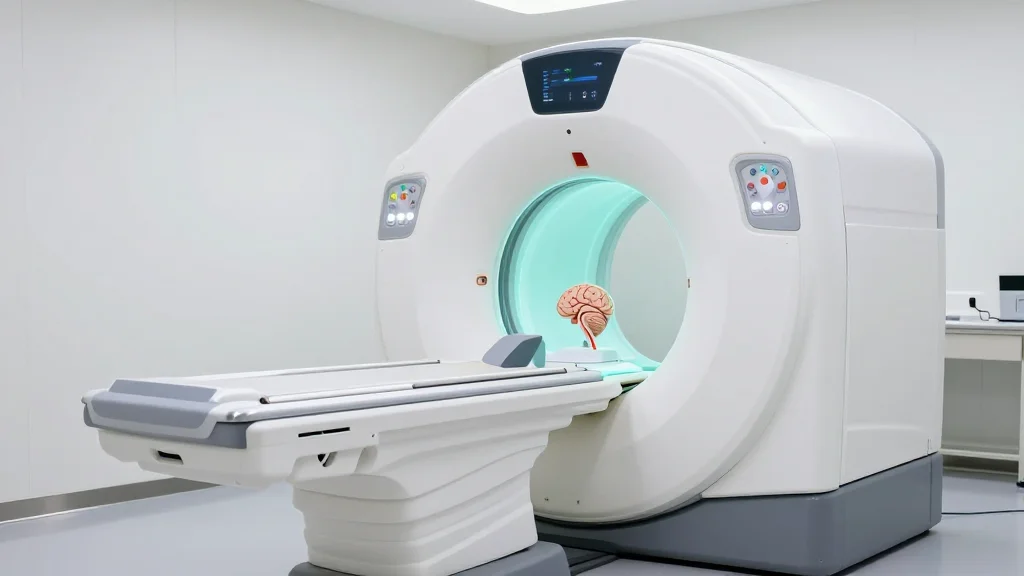
Rapid Brain MRI Protocols Cut Payer Costs While Patient Out-of-Pocket Spending Remains Unchanged
Why It Matters
The cost reduction benefits insurers and providers, but unchanged patient bills highlight a reimbursement gap that could hinder broader adoption and equity in diagnostic imaging.
Key Takeaways
- •Rapid brain MRIs cut payer reimbursement by ~28%
- •Patient out‑of‑pocket costs stay around $1,200 for both exams
- •43% of rapid MRIs lack proper modifier recognition
- •Inconsistent coding undermines cost‑saving potential for patients
- •Industry urges new CPT code for abbreviated brain imaging
Pulse Analysis
The rise of abbreviated brain MRI protocols reflects a broader shift toward efficiency in diagnostic imaging. By trimming non‑essential sequences, these fast scans can be completed in a fraction of the time required for traditional exams, freeing up scanner capacity and reducing operational bottlenecks. Hospitals and outpatient centers have embraced the technology to meet growing demand for timely neurological assessments, especially in pediatric settings where sedation time and patient comfort are critical concerns. This operational agility is increasingly viewed as a competitive advantage in a crowded healthcare market.
Economic analysis from Cincinnati Children’s underscores a nuanced financial picture. Insurers saved roughly $774 per rapid scan, a 28% reduction in reimbursement, yet patients continued to shoulder out‑of‑pocket costs averaging $1,200, virtually identical to standard MRI bills. The discrepancy stems largely from inconsistent application of the CPT 52 modifier, which signals a reduced service. In the study, 43% of rapid exams failed to register the modifier, prompting full‑price billing despite the abbreviated procedure. This coding gap not only erodes potential savings for patients but also creates revenue uncertainty for providers navigating complex payer contracts.
The findings have immediate policy implications. Stakeholders are urging the American Medical Association and Medicare Administrative Contractors to introduce a distinct CPT code that accurately captures rapid MRI services, ensuring transparent pricing and appropriate reimbursement. Aligning coding standards with clinical practice could unlock further cost efficiencies, incentivize wider adoption, and ultimately improve access to high‑quality neuroimaging. As payers tighten scrutiny on imaging utilization, clear reimbursement pathways will be essential for sustaining innovation while protecting patient financial interests.
Rapid brain MRI protocols cut payer costs while patient out-of-pocket spending remains unchanged
Comments
Want to join the conversation?
Loading comments...