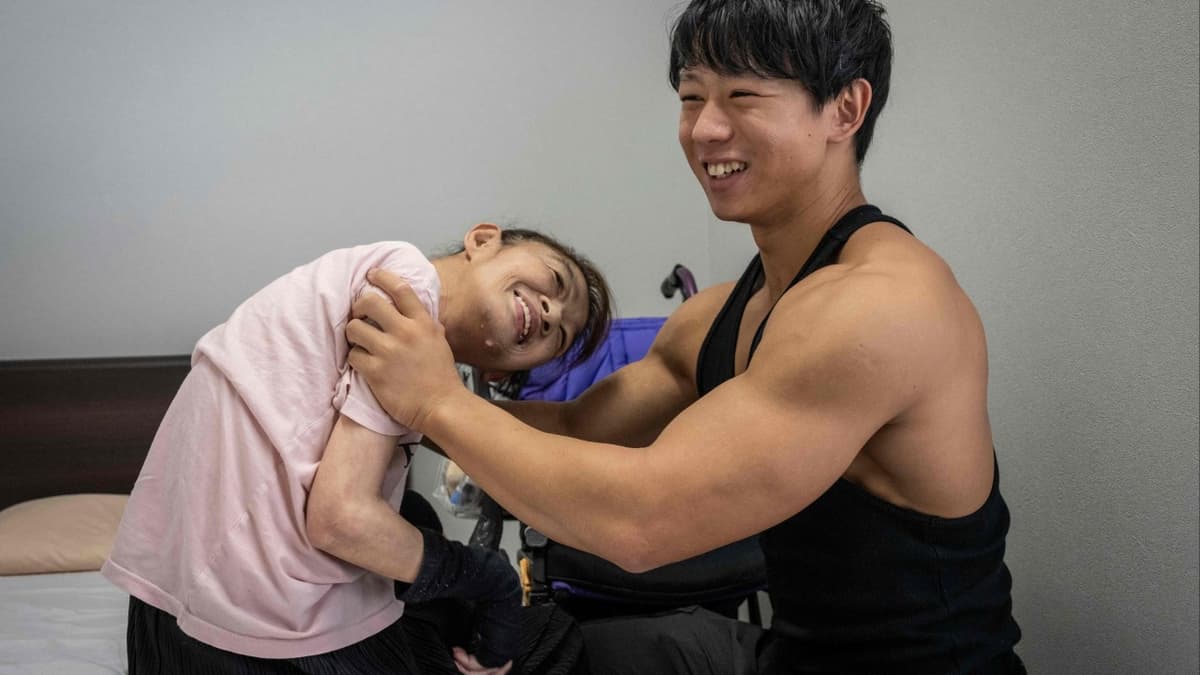
Rapidly Ageing Japan’s ‘Macho Carers’ Lend Muscles to Benefit Elderly, Disabled
Why It Matters
The initiative tackles Japan’s looming caregiver deficit by attracting a new demographic of physically strong workers, improving client safety and satisfaction, and offering a scalable model for other aging societies.
Key Takeaways
- •Visionary’s “macho carers” blend fitness with caregiving duties
- •Program attracted over 1,000 job applicants after launch
- •Each macho carer receives ¥20,000 (~$127) monthly supplement
- •Japan needs 600,000 additional care workers by 2040
- •Model may be exportable to other aging societies
Pulse Analysis
Japan’s rapidly aging population is straining a long‑standing caregiver shortage, with the health ministry estimating a need for an additional 600,000 workers by 2040. Traditional recruitment channels have faltered, leaving many facilities understaffed and residents vulnerable. In this climate, Visionary’s "macho carer" concept represents a bold pivot, leveraging the appeal of fitness culture to draw candidates who might otherwise overlook the sector. By positioning caregiving as a physically empowering role, the company taps into a pool of young, health‑conscious individuals seeking purpose and activity, thereby expanding the talent pipeline beyond conventional nursing pathways.
The macho carers perform standard duties—assisting with mobility, personal hygiene, and daily routines—while also delivering light strength‑training sessions that stimulate physical health and confidence among residents. Their presence adds a visible security element; clients report feeling safer when helped by muscular staff. Visionary reinforces the model with a ¥20,000 (~$127) monthly stipend for protein supplements and gym fees, aligning employee incentives with the brand’s fitness ethos. This hybrid approach not only improves client outcomes but also boosts employee morale, reducing turnover in an industry plagued by burnout.
Beyond Japan, the model offers a template for other nations confronting similar demographic pressures. Countries with aging societies can adapt the macho carer framework by integrating local fitness trends and tailoring financial incentives to regional cost structures. While cultural acceptance will vary, the core principle—rebranding caregiving as a dynamic, strength‑based profession—holds promise for revitalizing the global care workforce. Visionary’s rapid applicant surge suggests that when care work is reframed as both compassionate and physically empowering, it can attract a broader, more resilient labor pool.
Rapidly ageing Japan’s ‘macho carers’ lend muscles to benefit elderly, disabled
Comments
Want to join the conversation?
Loading comments...