Re: Hospital at Home Has Expanded Rapidly on the Assumption It’s What Patients Want—But What Do They Really Think?
Why It Matters
The critique underscores patient safety and care‑quality risks when home‑based acute services are deployed without integrated clinical pathways, prompting policymakers to reassess funding structures and clinician involvement.
Key Takeaways
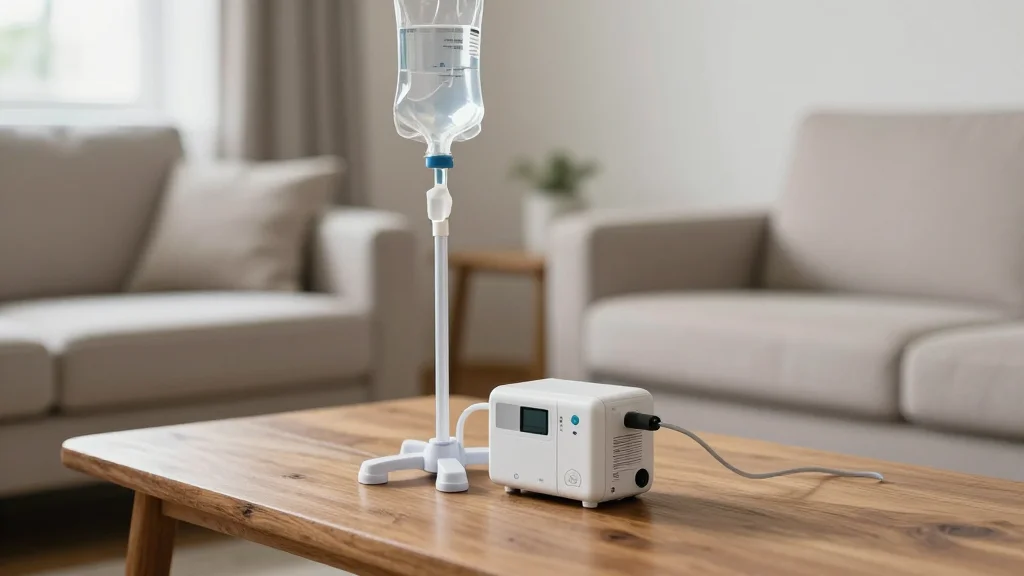
- •H@H avoided hospital admission but delivered invasive IV antibiotics at home
- •Patient developed C. difficile infection, highlighting safety risks
- •GPs report siloed funding limits appropriate palliative care options
- •Frontline clinicians feel excluded from design of home‑based services
Pulse Analysis
Hospital at Home programs have surged across the UK and US, driven by promises of reduced inpatient costs, lower infection rates, and greater patient comfort. Policymakers tout the model as a way to free up beds while delivering high‑quality acute care in familiar surroundings. Yet the rapid expansion often outpaces rigorous evaluation of clinical outcomes, especially for frail, end‑of‑life patients whose needs differ from those of younger, surgical cohorts.
Frontline clinicians are raising alarms that the model can misalign with patient goals, as illustrated by the case of Ian Watson. Treated with intravenous antibiotics at home, he suffered a C. difficile infection that compounded his existing vascular dementia and heart failure, ultimately delaying the transition to palliative care. Such incidents reveal gaps in risk assessment, coordination with community palliative teams, and the ability of home‑based services to adapt to complex, multimorbid cases.
The broader implication is a call for integrated funding and co‑design of home‑based acute services. Siloed budgets that prioritize acute interventions can inadvertently sideline essential supportive care, leaving GPs without the tools to match treatment to patient preferences. Embedding multidisciplinary input, transparent outcome reporting, and flexible pathways that pivot to palliative support when appropriate could reconcile cost efficiencies with the core principle of patient‑centered care. As health systems continue to experiment with Hospital at Home, aligning incentives with clinical realities will be crucial to avoid unintended harms.
Re: Hospital at Home has expanded rapidly on the assumption it’s what patients want—but what do they really think?
Comments
Want to join the conversation?
Loading comments...