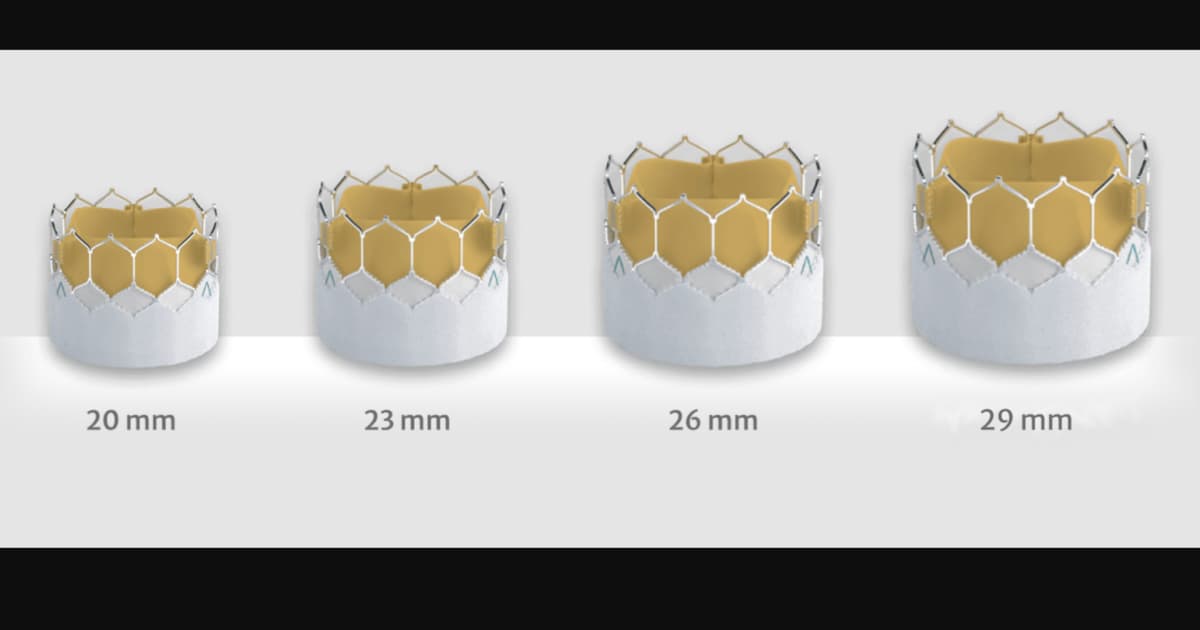
Redo TAVR with Balloon-Expandable Valves Linked to Positive Outcomes, Key Improvements
Companies Mentioned
Why It Matters
Redo TAVR offers a less invasive alternative to surgical explantation, potentially becoming the preferred strategy for managing failed transcatheter valves as patient populations age and procedural volumes rise.
Key Takeaways
- •Redo TAVR using Sapien 3 achieved 95% procedural success.
- •30‑day mortality was 3.5% among average 84‑year‑old patients.
- •Stroke rate 0.7% and pacemaker implantation 6.4% post‑procedure.
- •Coronary obstruction occurred in only 1.4% of cases.
- •Individualized planning and valve sizing contributed to favorable outcomes.
Pulse Analysis
The rapid expansion of transcatheter aortic valve replacement into intermediate‑ and low‑risk cohorts has extended its use to younger patients with longer life expectancies. While TAVR’s minimally invasive nature has driven adoption, the bioprosthetic nature of all transcatheter heart valves raises concerns about structural deterioration over time. As a result, clinicians anticipate a growing need for reintervention, and surgical explantation—though effective—carries heightened morbidity, prompting interest in less invasive redo procedures.
The EuroIntervention‑published registry examined 143 redo TAVR cases performed between 2023 and 2025, all using Edwards Lifesciences’ balloon‑expandable Sapien 3 family. Patients averaged 84 years old with a median STS risk score of 7%, reflecting a high‑risk demographic. The study reported a 95.1% technical success rate, 30‑day mortality of 3.5%, and remarkably low complication rates: stroke 0.7%, permanent pacemaker 6.4%, and coronary obstruction 1.4%. These outcomes were attributed to rigorous pre‑procedural planning, precise valve sizing, and a collaborative case‑review board that guided each intervention.
If these early results translate into sustained long‑term durability, redo TAVR could reshape the therapeutic algorithm for aortic stenosis, especially in younger patients who may require multiple valve interventions over a lifetime. The data suggest that a transcatheter‑first approach may remain viable even after the first valve fails, reducing reliance on high‑risk surgical explantation. Ongoing follow‑up will be critical to confirm valve performance beyond the 30‑day window and to inform guidelines on patient selection and procedural best practices.
Redo TAVR with balloon-expandable valves linked to positive outcomes, key improvements
Comments
Want to join the conversation?
Loading comments...