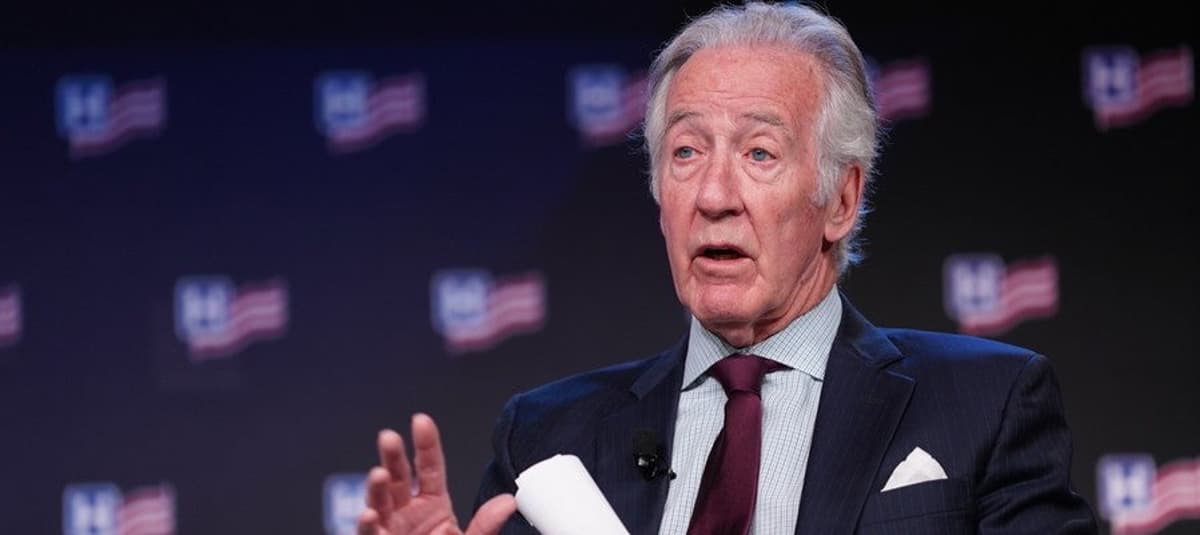
Rep. Richard Neal and Steve Walsh Discuss Role of Hospitals, Future of the Enhanced Premium Tax Credits
Why It Matters
The lapse of EPTCs threatens insurance affordability for millions, while hospital funding debates could reshape health‑care delivery and political alliances.
Key Takeaways
- •Neal calls EPTC cuts “ill‑timed, ill‑considered, ill‑thought‑out.”
- •Enhanced premium tax credits expired December 2025, sparking policy debate.
- •Hospitals likened to libraries and fire stations for community access.
- •Neal expects bipartisan pushback on EPTC reductions after 2024 elections.
Pulse Analysis
The enhanced premium tax credits, a cornerstone of the Affordable Care Act, were designed to lower out‑of‑pocket costs for low‑ and middle‑income families by subsidizing marketplace plans. When the temporary boost expired at the end of December 2025, premiums surged for millions of Americans, reigniting a national debate over health‑insurance affordability. Analysts estimate that the lapse could push an additional 3 million households into coverage gaps, pressuring policymakers to address the shortfall before the next enrollment cycle. The timing coincided with a volatile political environment, amplifying calls for legislative action.
Representative Richard Neal, the ranking member of the House Ways and Means Committee, seized the moment to frame the EPTC rollback as a bipartisan issue. In a conversation with Steve Walsh, president and CEO of the Massachusetts Health & Hospital Association, Neal described the cuts as “ill‑timed, ill‑considered and ill‑thought‑out,” and signaled that the post‑election Congress could muster enough cross‑party support to restore or redesign the credits. With Democrats holding a slim House majority and Republicans eyeing moderate concessions, the legislative calculus hinges on balancing fiscal concerns with voter‑driven demand for affordable coverage.
Beyond insurance subsidies, Neal highlighted the broader societal role of hospitals, likening them to neighborhood libraries or fire stations that provide essential, always‑available services. This framing underscores the political stakes for hospital systems that rely on stable reimbursement and community goodwill. If Congress moves to reinforce premium subsidies, hospitals may see reduced uncompensated care and stronger financial footing. Conversely, prolonged credit gaps could exacerbate emergency‑room crowding and strain safety‑net providers. Stakeholders should monitor upcoming Ways and Means hearings, where detailed proposals for a new premium credit structure are expected.
Rep. Richard Neal and Steve Walsh discuss role of hospitals, future of the enhanced premium tax credits
Comments
Want to join the conversation?
Loading comments...