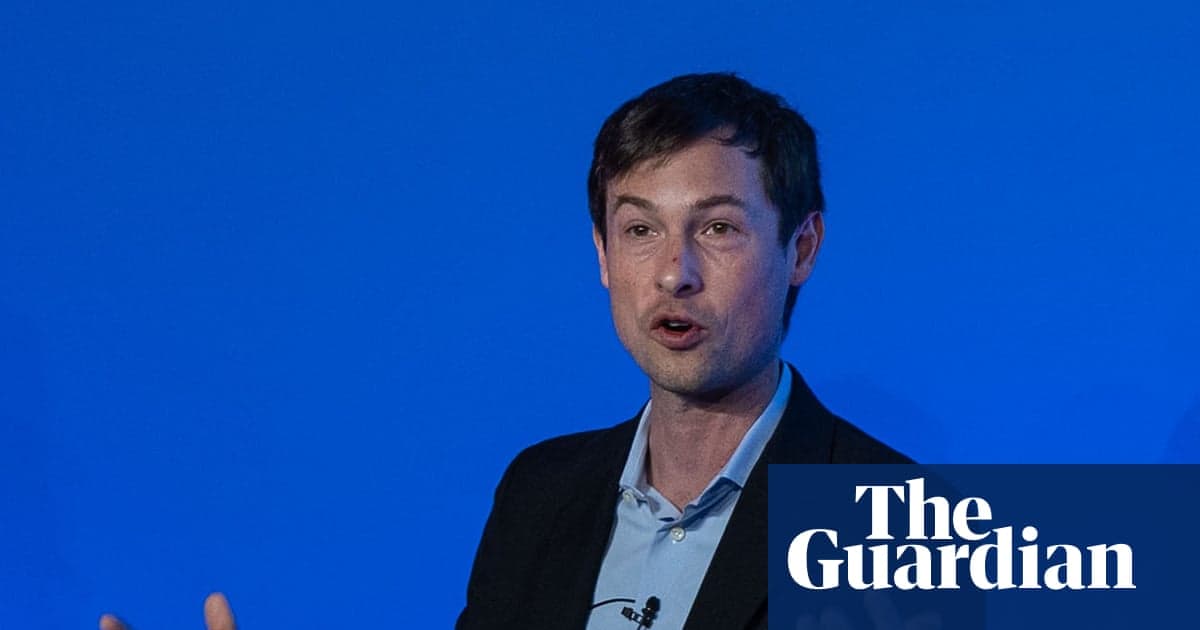
‘Research Here Is World Class’: Son of Steve Jobs Looks to Invest in UK Cancer Care
Companies Mentioned
Why It Matters
The influx of U.S. capital into UK cancer research could accelerate breakthrough therapies and strengthen transatlantic biotech collaboration, potentially shortening the time to market for innovative treatments.
Key Takeaways
- •Yosemite fund manages over $1 bn, targeting oncology startups.
- •Reed Jobs seeks UK partnerships with LifeArc, Oxford, Cambridge.
- •Investments focus on gene therapy, cancer vaccines, AI-driven radiopharmaceuticals.
- •Goal: shift cancer from end-stage to early‑diagnosed, personalized treatment.
Pulse Analysis
Reed Jobs, leveraging his personal experience with his father’s pancreatic cancer, has turned grief into a strategic push for oncology innovation. His venture, Yosemite, emerged from the Emerson Collective in 2023 and now commands more than $1 bn in assets. Backed by heavyweight investors such as Amgen and MIT, the fund’s portfolio spans gene‑editing platforms, next‑generation cancer vaccines, and AI‑enhanced radiopharmaceuticals. By positioning itself at the intersection of cutting‑edge science and capital, Yosemite aims to fill gaps in the drug pipeline that traditional pharma often overlooks, especially in rare and pediatric cancers.
The United Kingdom offers a fertile ecosystem for this ambition. LifeArc, a not‑for‑profit bridge between academia and industry, provides grant funding and strategic partnerships with Oxford and Cambridge, two of Europe’s leading research hubs. With roughly 4,000 new childhood cancer cases annually and a dearth of targeted therapies—only eight new pediatric drugs in the past 20 years—UK researchers are eager for venture backing. Yosemite’s interest signals confidence that UK‑based teams can translate early‑stage discoveries into market‑ready products, potentially accelerating the development of biomarkers for early detection and personalized treatment regimens.
If successful, Yosemite’s model could reshape the broader biotech landscape. Immunotherapy, already a game‑changer for adult oncology, is poised for expansion into rare and pediatric indications, driven by AI‑guided trial design and radiopharmaceutical advances. Early‑diagnosis technologies promise to shift the economic calculus of cancer care, reducing late‑stage treatment costs and improving survival rates. By injecting substantial private capital into these high‑risk, high‑reward areas, Yosemite may catalyze a new wave of cross‑border collaborations, hastening the arrival of therapies that turn cancer into a manageable chronic condition rather than a terminal diagnosis.
‘Research here is world class’: son of Steve Jobs looks to invest in UK cancer care
Comments
Want to join the conversation?
Loading comments...