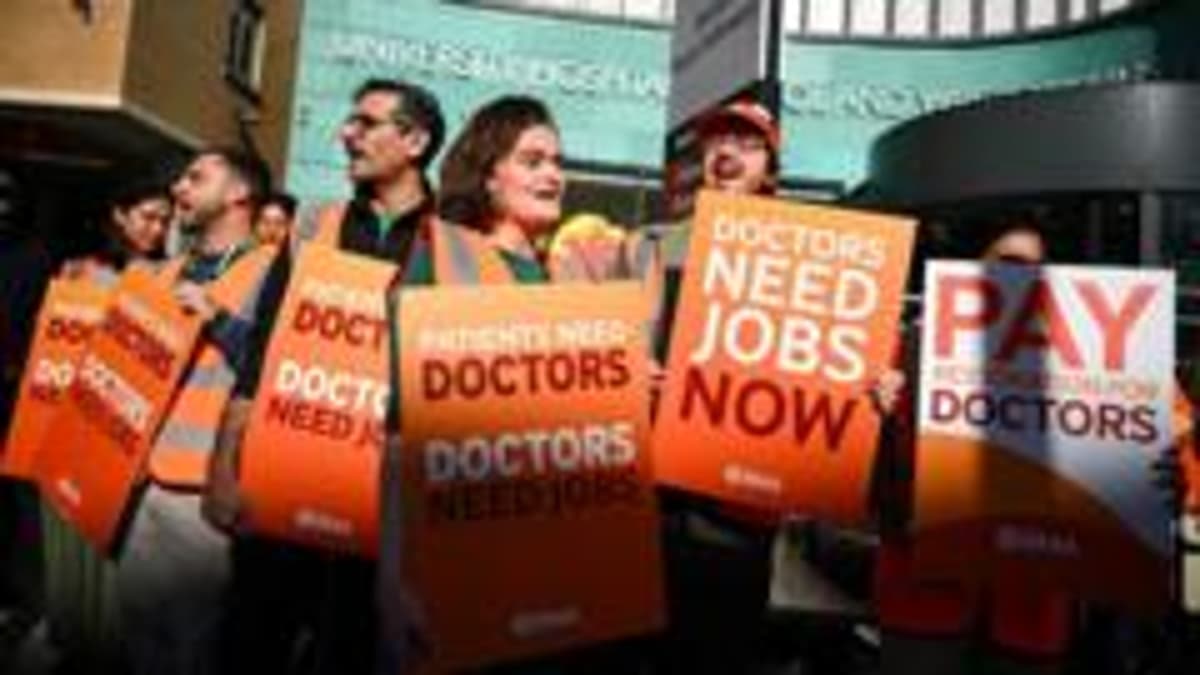
Resident Doctors in England to Strike for 16th Time over Pay
Why It Matters
The walkout threatens NHS service continuity and underscores mounting pressure on the UK government to resolve public‑sector pay disputes, which could reshape health‑policy priorities.
Key Takeaways
- •16th resident‑doctor strike scheduled June 15‑19, 2024.
- •Pay rises total 33% in four years; salaries now $51k‑$98k.
- •Health Secretary James Murray refuses further pay negotiations.
- •BMA claims doctors earn 20% less than 2008 after inflation.
- •NHS Alliance warns strikes could reverse recent waiting‑list reductions.
Pulse Analysis
The latest resident‑doctor strike in England highlights a deepening rift between the National Health Service and its clinical workforce. While a 33% pay increase over four years sounds substantial, converting the new £40,000 entry salary to roughly $51,200 reveals that many junior doctors still feel squeezed by inflation, which has eroded real wages since 2008. The British Medical Association’s argument that doctors earn about 20% less than a decade ago resonates with broader public‑sector concerns about cost‑of‑living pressures, especially as the UK grapples with higher energy and housing expenses.
Political dynamics add another layer of complexity. James Murray, the newly appointed Health Secretary, has taken a hard line, echoing his predecessor’s stance that further pay hikes are “unrealistic, unaffordable and unsustainable.” This refusal to reopen negotiations fuels frustration among clinicians and raises questions about the government’s broader fiscal strategy for health spending. The March proposal—offering more training slots and covering out‑of‑pocket costs—was dismissed as insufficient, prompting a six‑day strike in April and now the June action. Stakeholders worry that repeated disruptions could erode public confidence in the NHS and stall recent gains in reducing waiting lists.
For patients and policymakers alike, the stakes are high. Prolonged industrial action risks delaying elective procedures, increasing emergency department crowding, and potentially reversing productivity improvements the NHS achieved earlier this year. Employers such as the NHS Alliance warn that the strikes could jeopardize hard‑won progress on waiting‑list reductions, while unions argue that fair compensation is essential to retain talent and maintain care quality. The outcome of these negotiations will likely influence future funding models, workforce planning, and the political capital of the health ministry in the run‑up to the next general election.
Resident doctors in England to strike for 16th time over pay
Comments
Want to join the conversation?
Loading comments...