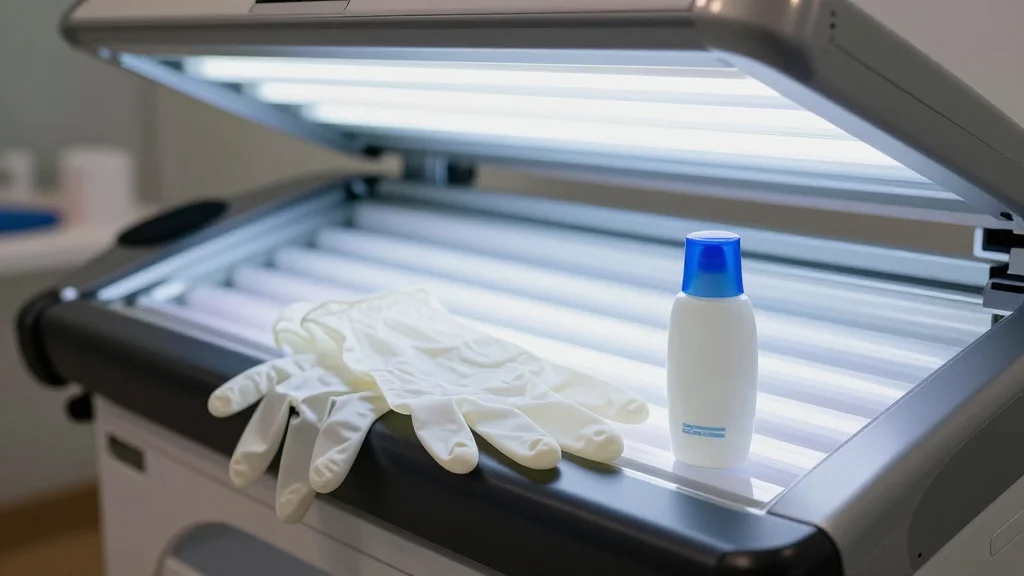
RFK Jr. Clears Path for Minors' Use of Tanning Beds, Much to the Dismay of Dermatologists
Why It Matters
Eliminating a federal safeguard re‑exposes U.S. youth to a proven carcinogen, widening the gap between American regulations and global standards. The decision shifts responsibility to inconsistent state policies, potentially increasing future skin‑cancer incidence.
Key Takeaways
- •RFK Jr. withdrew FDA's 2023 proposed ban on minors' tanning‑bed use
- •Rule would have required users to sign cancer‑risk acknowledgment forms
- •9,000+ comments supported ban; industry opposed
- •19 states and DC already prohibit indoor tanning for under‑18s
- •Dermatologists warn UV‑rich beds raise melanoma risk up to threefold
Pulse Analysis
The U.S. Food and Drug Administration’s long‑standing effort to curb youth exposure to artificial ultraviolet light resurfaced in March when the agency proposed a rule that would bar minors from indoor tanning salons and require all patrons to acknowledge the cancer‑risk warning. The proposal, first drafted in 2015, reflected mounting scientific consensus that UV‑emitting beds deliver doses of UVA up to fifteen times natural sunlight and UVB comparable to a noon‑time equatorial sun. Dermatologists have repeatedly warned that early‑life tanning accelerates DNA mutations and can triple the lifetime risk of melanoma.
Robert F. Kennedy Jr., poised to become the next Secretary of Health and Human Services, abruptly withdrew the rule on March 16, citing “scientific and technical concerns” raised in public comments. The decision leaves the United States reliant on a patchwork of state bans—nineteen states and the District of Columbia already prohibit indoor tanning for those under 18, while others impose parental‑consent loopholes. Compared with Australia, Brazil, and most of Western Europe, which have enacted nationwide prohibitions, the U.S. approach appears increasingly out of step with global public‑health standards.
The retreat underscores the influence of the tanning‑bed industry, which mobilized thousands of comments and highlighted potential economic fallout. For consumers, the lack of a federal safeguard means continued exposure to a Group 1 carcinogen, especially among teenagers who underestimate long‑term risks. Advocacy groups such as the Skin Cancer Foundation are likely to intensify lobbying efforts, leveraging the public awareness generated by the withdrawn proposal. Policymakers and health professionals will need to balance industry arguments with robust epidemiological data to protect a generation from preventable skin‑cancer deaths.
RFK Jr. clears path for minors' use of tanning beds, much to the dismay of dermatologists
Comments
Want to join the conversation?
Loading comments...