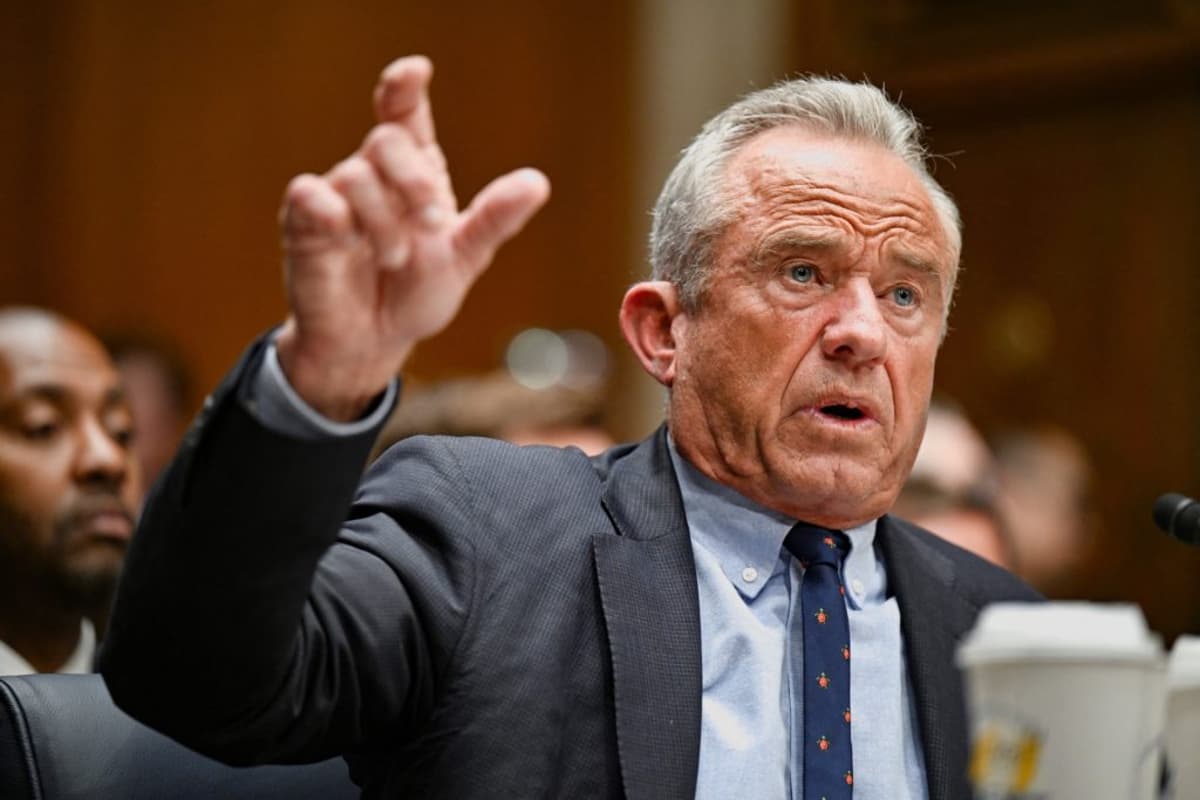
RFK Jr. Defends Vaccine Guidance Changes and Health Spending Cuts
Why It Matters
Kennedy’s approach could reshape federal vaccine strategy and dramatically curtail funding for critical public‑health research, influencing disease prevention and health outcomes across the United States.
Key Takeaways
- •Kennedy defends measles response, cites global outbreak handling
- •Senate probes his past anti‑vaccine statements and data use
- •Proposed NIH cuts include billions, 31% drop in women‑focused grants
- •CDC director Erica Schwartz promised independent authority over vaccine decisions
- •Republicans praise nutrition and PTSD initiatives; Democrats demand scientific rigor
Pulse Analysis
Robert F. Kennedy Jr.’s tenure as health secretary has become a flashpoint for the nation’s public‑health direction. After a series of hearings, his defense of vaccine‑policy changes—particularly the restructuring of the HHS advisory panel and the appointment of Erica Schwartz as CDC director—has drawn bipartisan scrutiny. While Kennedy argues that his rapid measles response outperforms global peers, critics point to his past anti‑vaccine rhetoric and selective use of data, raising concerns about the scientific integrity guiding federal health decisions.
The Senate’s focus on funding cuts adds another layer of complexity. The administration’s budget proposes billions in reductions to the National Institutes of Health and a 31 percent decline in grants targeting women’s health, signaling a potential slowdown in research on diseases that disproportionately affect female populations. Simultaneously, programs in mental health, smoking cessation, and violence prevention face uncertainty, as they appear in congressional appropriations but are omitted from the president’s proposal. These fiscal moves could erode the United States’ capacity to innovate in biomedical research and public‑health interventions.
Looking ahead, the interplay between Kennedy’s policy agenda and the broader political environment will shape the health landscape for years to come. If Schwartz is granted true independence, the CDC may regain credibility on vaccine guidance, but lingering doubts about leadership oversight could hamper public trust. Moreover, the balance between cost‑saving measures and essential health services will test lawmakers’ willingness to protect vulnerable groups while managing budget constraints. Stakeholders—from clinicians to advocacy groups—must monitor these developments closely, as they will dictate the nation’s ability to respond to emerging health threats and sustain long‑term research pipelines.
RFK Jr. defends vaccine guidance changes and health spending cuts
Comments
Want to join the conversation?
Loading comments...